

This article has been reviewed by Dr. Rachana Bhoite (Nutrition Science, Dr. Reddy’s Labs), specializing in nutritional science, dietary metabolism, and human health optimization.
Medical Disclaimer: The information provided on Healthy Post regarding dietary fiber, protein intake, and macronutrient health is for educational and informational purposes only and does not constitute formal medical or nutritional advice. Nutritional needs vary significantly based on individual health status, medical conditions, and lifestyle goals. Always consult a qualified physician, registered dietitian, or clinical nutritionist before making major changes to your diet or daily supplementation routine.

🏥 Medical Review Board Member
Dr. Rachana Bhoite, PhD
Nutrition Science Expert | Dr. Reddy’s Laboratories (Hyderabad, India)
Dr. Rachana Bhoite, PhD, is a distinguished industry veteran with over 22 years of expertise in Foods & Nutrition and clinical research. With a career deeply rooted in medical nutrition and nutraceutical innovation, she has successfully designed and launched numerous scientifically differentiated products across global markets. Dr. Bhoite is dedicated to bridging the gap between complex clinical data and accessible, evidence-based nutrition. Her commitment to rigorous research ensures that every piece of content she reviews meets the highest standards of scientific accuracy and consumer safety.
When patients ask us about fiber vs protein, they are usually not asking a biology question. They are asking a real-life one: “What should I focus on if I want better digestion, more energy, easier weight control, and healthier aging?” In our medical editorial work, we see the same pattern again and again. Many adults actively try to increase protein, yet far fewer meet the daily target for fiber. That imbalance matters. While both nutrients are essential, the stronger public health gap is often fiber, not protein. For most people, the smartest answer to Fiber vs. Protein is not choosing one over the other. It is learning how each works, and then building meals that use both well.
This matters whether you are trying to lose weight, support your gut, preserve muscle, or reduce long-term disease risk. It also matters in practical, everyday food choices. A bowl of lentils, yogurt, vegetables, and brown rice may do more for health than obsessing over one nutrient in isolation. If you already enjoy Health Benefits of Lima Beans, Asian Soup Benefits, or Apple Juice Benefits, you are already thinking in the right direction: food patterns beat single-nutrient hype.
1. Fiber and protein do different jobs in the body
The debate around fiber vs protein can become confusing because the two nutrients are not interchangeable. They solve different problems.
Fiber is a type of carbohydrate the body does not fully digest. It comes in two broad forms:
- Soluble fiber, which absorbs water and forms a gel-like texture
- Insoluble fiber, which adds bulk to stool and helps bowel movement
Protein is a macronutrient made of amino acids. These amino acids help build and repair tissues, support enzymes and hormones, maintain immune function, and preserve muscle mass.
In clinical nutrition discussions, we often explain it this way:
- Fiber is your internal “traffic control” for digestion, blood sugar, and gut health
- Protein is your structural “building material” for muscles, tissues, and recovery
That distinction matters because a person can eat enough protein and still have poor digestive health, unstable appetite, or inadequate microbiome support. On the other hand, a person can eat high-fiber foods but fall short on protein, especially during aging, illness recovery, or intentional weight loss.
Most studies agree that health outcomes improve when both are present in a balanced pattern rather than consumed in isolation.
2. Most adults are closer to adequate protein than adequate fiber
This is one of the most overlooked parts of Fiber vs. Protein.
In practice, many people worry about protein deficiency long before they actually need to. Severe protein deficiency can happen, but in many higher- and middle-income populations, low fiber intake is more common. In the United States, estimates suggest the large majority of adults fail to hit the daily recommended fiber intake for adults. Similar patterns are seen in urban areas across South Asia, including Pakistan, where refined grains and low-vegetable diets can crowd out legumes, fruit, and whole grains.
Protein recommendations vary by age, health status, and activity level:
- Standard RDA: 0.8 g per kg of body weight
- Many experts suggest 1.2 to 1.6 g/kg for older adults, active adults, or those losing weight
Fiber guidance is simpler:
- About 14 g per 1,000 calories
- Roughly 25 to 30 g per day for many adults
For a helpful public reference on daily recommended fiber intake for adults, the CDC outlines why fiber supports blood sugar control and digestive health.
The gap is not just statistical. It shows up in symptoms:
- Constipation
- Early hunger after meals
- High intake of ultra-processed snacks
- Low intake of beans, vegetables, fruit, and whole grains
That is one reason clinicians increasingly frame the question not as “am I eating enough protein?” but also “where is my fiber actually coming from?”

3. For digestion and disease prevention, fiber often deserves more attention
If the question is which nutrient does more for gut function and long-term disease prevention, fiber has a unique edge.
Fiber helps:
- Improve regular bowel movements
- Feed beneficial gut bacteria
- Support lower LDL cholesterol
- Slow digestion and blood sugar spikes
- Reduce the risk of type 2 diabetes, cardiovascular disease, and colorectal cancer
That last point is important. Protein is essential, but it does not replace the protective role of fiber in the colon and microbiome. The gut-brain axis and mental health is also an emerging area of interest. A higher-fiber diet may help support lower inflammation and a healthier intestinal environment, which may indirectly benefit mood and overall wellbeing.
The strongest evidence comes from dietary patterns, not miracle foods. Oats, beans, lentils, pears, apples, broccoli, spinach, chia seeds, and whole grains consistently appear in research linked to better metabolic and digestive health.
For broader guidance, the NHS provides a practical overview of fiber principles within healthy eating advice, and NICE frequently aligns with evidence-based prevention strategies that emphasize dietary quality over nutrient fads.
A quick note on fruit: when we say apple here, we mean the fruit, not Apple the technology company. Whole apples provide fiber; apple juice generally does not provide the same fiber benefit, though Apple Juice Benefits may still be relevant in other contexts such as hydration or micronutrients.
4. For muscle retention, recovery, and aging, protein is non-negotiable
Now for the other side of fiber vs protein.
Protein becomes especially important when the body is under demand:
- Aging
- Strength training
- Illness recovery
- Calorie restriction
- Pregnancy
- Injury healing
Without enough protein, the body may struggle to maintain lean mass, repair tissues, and support immune defenses. In older adults, low protein intake may contribute to sarcopenia, the age-related loss of muscle mass and function.
This is why many clinicians emphasize lean protein sources for muscle retention during healthy aging and weight loss. Good options include:
- Fish
- Eggs
- Greek yogurt
- Chicken breast
- Tofu
- Tempeh
- Cottage cheese
- Edamame
- Chickpeas
Protein also tends to improve satiety. It can lower ghrelin, a hormone associated with hunger, and help people feel fuller after meals. That is one reason high-protein low-calorie foods are often featured in weight-management plans.
But there is an important nuance. Protein alone does not solve everything. A low-fiber, high-protein diet may still leave people constipated, undernourished in plant compounds, and more likely to overfocus on processed “protein products” instead of whole foods.
5. For weight loss, the best answer is both together
This is where fiber vs protein for weight loss becomes a more useful conversation.
If your goal is fat loss while preserving muscle, you usually need both:
- Fiber helps create fullness by adding bulk and slowing digestion
- Protein helps reduce hunger and preserve muscle during a calorie deficit
Together, they improve macronutrient balance for weight loss. They also improve meal quality.
Here is the simplest practical comparison:
| Nutrient | What it does for appetite | Best weight-loss advantage | Main caution |
|---|---|---|---|
| Fiber | Slows digestion, increases fullness, supports blood sugar stability | Helps reduce snacking and overeating | Increase gradually to avoid gas or bloating |
| Protein | Promotes satiety, supports muscle retention | Helps preserve metabolism during calorie loss | Overreliance on processed or fatty sources can backfire |
When discussing fiber vs protein for weight loss with patients, we often use one sentence: “Protein protects your muscle; fiber protects your appetite.”
That combination works especially well in meals like:
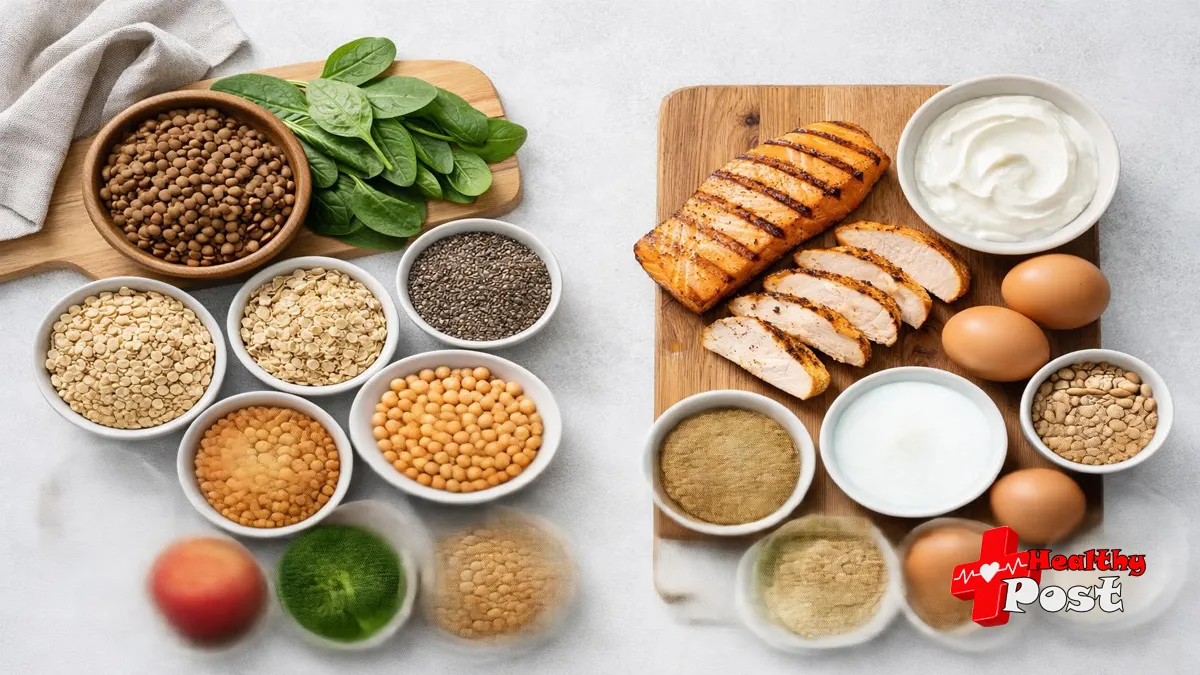
- Lentil curry with spinach and plain yogurt
- Grilled chicken with roasted vegetables and brown rice
- Oats with chia seeds and Greek yogurt
- Chickpea salad with cucumber, tomatoes, and olive oil
- Quinoa with tofu and broccoli
These meals also highlight affordable plant-based proteins, a major advantage for families in Pakistan and across South Asia. Daal, chana, palak, dahi, and oats are not trendy superfoods. They are practical staples.
6. The healthiest foods often give you both fiber and protein
A common mistake in the Fiber vs. Protein conversation is assuming foods must belong to one camp only. In reality, some of the best foods deliver both.
Dual-benefit foods to prioritize
- Lentils
- Chickpeas
- Black beans
- Edamame
- Chia seeds
- Quinoa
- Oats
- Peanuts
These foods offer a stronger satiety index of dietary fiber while also contributing protein. That makes them especially helpful for busy adults, students, and families trying to eat well without spending heavily on specialty products.
Here is a practical way to think about food choices:
- If a meal has only protein, add a plant: vegetables, beans, fruit, or whole grains
- If a meal has only fiber-rich carbs, add protein: yogurt, eggs, fish, tofu, or legumes
- If a snack leaves you hungry within an hour, it probably needs better balance
For example, a banana alone may not hold you long. A banana with plain yogurt and chia seeds likely will. A grilled chicken wrap in refined white flour may still feel incomplete if it lacks vegetables or beans. A wrap with chicken, hummus, lettuce, and whole-grain bread usually performs better.
This is also where related healthy eating topics can support readers. Someone interested in Health Benefits of Lima Beans or Asian Soup Benefits is often already open to high-fiber, moderate-protein meal patterns.
7. Risks of getting too little, or too much, are different
Neither nutrient should be framed as a hero without context.
Low fiber intake may be associated with:
- Constipation
- Poor gut microbiome diversity
- Higher LDL cholesterol
- More blood sugar fluctuations
- Higher long-term risk of heart disease and type 2 diabetes
Low protein intake may be associated with:
- Loss of muscle mass
- Delayed recovery
- Frailty in older age
- Weaker immune response
- Poor growth in children
Too much can also cause issues
Rapidly increasing fiber can lead to gas, bloating, or cramping, especially if fluid intake is low.
Excess protein, particularly from heavily processed meats or high-saturated-fat animal sources, may create other concerns. In people with chronic kidney disease, protein targets may need individualized medical guidance. That is why nutrition advice should match personal health history, medications, and overall diet quality.
8. So, which matters more for human health?
If we answer strictly from a public health perspective, fiber often deserves more urgent attention because intake is so consistently low.
If we answer from a clinical perspective, it depends:
- For constipation, cholesterol, and microbiome health, fiber may matter more
- For muscle retention, recovery, and aging, protein may matter more
- For overall health and sustainable weight control, both matter together
That is the real conclusion of fiber vs protein. The question sounds competitive, but the body is cooperative. Human health is not built by one nutrient winning. It is built by patterns that combine lean proteins, whole plant foods, enough fluids, and realistic daily habits.
If you want one simple action step, start by upgrading one meal a day. Add beans to soup. Swap refined grains for oats or brown rice. Pair eggs with vegetables. Add chickpeas to salad. Keep the strategy practical, not perfectionist.
For readers already exploring Apple Juice Benefits, Asian Soup Benefits, and Health Benefits of Lima Beans, that same food-first mindset can carry into better fiber and protein choices too.
FAQs
Is fiber more important than protein?
Not universally. Fiber may deserve more focus at a population level because more people fall short on it, but protein remains essential for muscle, repair, and immune function.
What is better for weight loss: fiber or protein?
Fiber vs protein for weight loss is not an either-or choice. Fiber helps control appetite and blood sugar, while protein helps preserve muscle and improve fullness. Together they work best.
Can I get both fiber and protein from plant foods?
Yes. Lentils, beans, chickpeas, edamame, chia seeds, quinoa, and oats provide both, making them excellent affordable plant-based proteins.
How much fiber and protein should adults aim for?
Most adults need about 25 to 30 grams of fiber daily and at least 0.8 g/kg of protein, though many adults may benefit from more protein depending on age, activity, and health goals.
Are high-protein diets bad for the gut?
Not necessarily, but if protein intake rises while fiber stays low, digestion may suffer. A high-protein pattern works better when it also includes vegetables, legumes, fruit, and whole grains.
What is the easiest way to improve my intake?
Build each meal around one lean protein and one high-fiber plant source. For example: yogurt plus oats, fish plus vegetables, or daal plus spinach and brown rice.
Conclusion
The best answer to fiber vs protein is not a winner-takes-all verdict. It is a reminder to eat in balance. Protein is essential for muscle, recovery, and healthy aging. Fiber is essential for digestion, satiety, blood sugar support, and long-term disease prevention. Most people do not need to stop caring about protein. They need to stop overlooking fiber.
If you are rethinking Fiber vs. Protein for your own health, start with food combinations that are realistic and culturally familiar. Lentils with vegetables. Eggs with oats. Grilled fish with salad. Yogurt with chia. These are not extreme diet rules. They are sustainable patterns that may support better energy, better digestion, and better health over time. If you have kidney disease, digestive disorders, diabetes, or unexplained weight changes, personalized advice from a qualified clinician or dietitian is still the safest next step.
References
- CDC: daily recommended fiber intake for adults
- NHS: lean protein sources for muscle retention
- PubMed: gut-brain axis and mental health
3 Comments
Pingback: Black Beans vs. Pinto Beans Nutrition: Which Is Healthier?
Pingback: Hard Stool Followed by Soft Stool: Causes & What to Do
Pingback: Purple Lettuce: Nutrition, Benefits, Calories & How to Eat It