


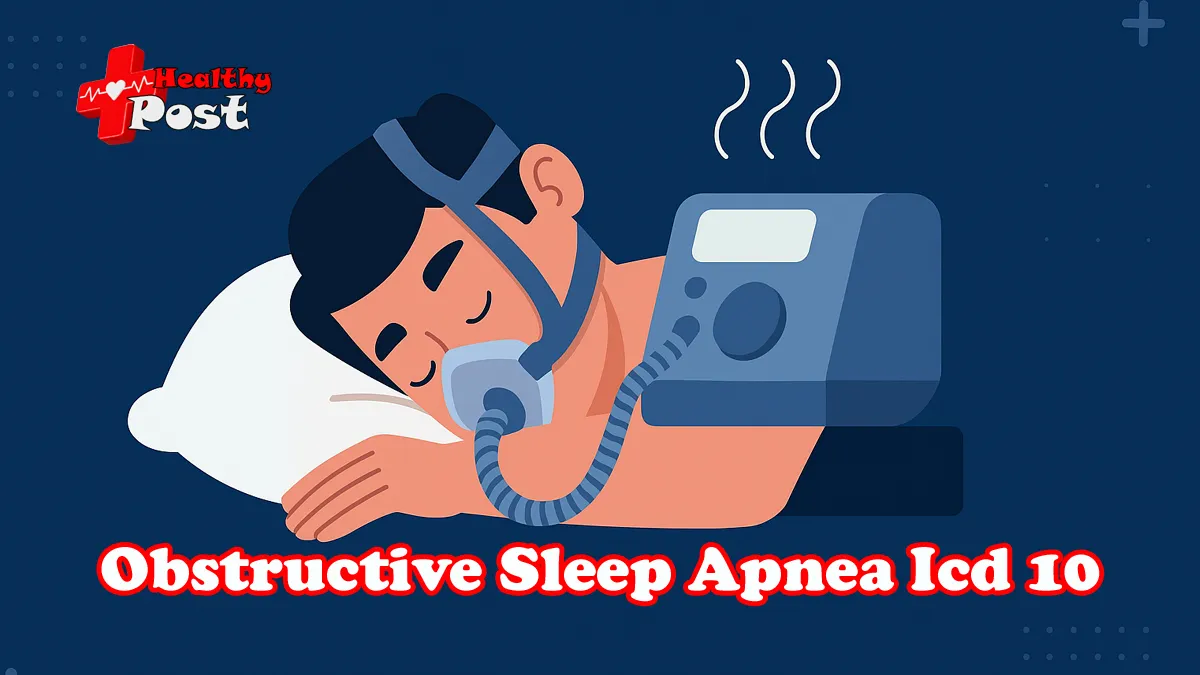
If you live with sleep apnea, you probably focus on symptoms, not codes. Yet the phrase obstructive sleep apnea ICD 10 can quietly influence your care, insurance approval, and even your long‑term health risks.
The ICD‑10 system is how healthcare teams and insurers label your diagnosis. It might seem like a small detail. But when obstructive sleep apnea is coded incorrectly, real people lose access to treatment, face delays, or get told “everything looks fine” when it isn’t.
Many doctors care deeply and work hard. Still, seven common mistakes keep happening in clinics and hospitals. Understanding them gives you power. You can ask better questions, read your reports with confidence, and advocate for yourself or a loved one. 💙
This article explains:
- What the obstructive sleep apnea ICD 10 code actually is
- How “mild,” “moderate,” and “severe” sleep apnea should be documented
- Seven coding and communication mistakes that still happen
- Practical steps you can take during your next appointment
You do not need to be a medical coder to follow along. Clear language, short sections, and real examples will guide you through.
Obstructive Sleep Apnea and ICD‑10: A Quick Foundation
ICD‑10 stands for “International Classification of Diseases, 10th Revision.” It is a global system for naming and organizing diagnoses.
For obstructive sleep apnea, the main ICD‑10-CM code used in the United States is:
- G47.33 – Obstructive sleep apnea (adult) (pediatric)
When people say “obstructive sleep apnea ICD 10 code,” they almost always mean G47.33.
ICD‑10 does not assign separate codes for “mild,” “moderate,” or “severe” obstructive sleep apnea. Those levels belong in the sleep study report and clinical notes. Still, doctors and clinics regularly confuse how to document these details. That confusion can affect:
- Which treatments are approved
- How serious your condition appears in your record
- Disability forms and insurance coverage
Now, let’s walk through seven mistakes that still surprise many patients.
1. Using The Wrong Code For Obstructive Sleep Apnea 🚫
This may sound basic, yet it happens every day. Instead of using the correct obstructive sleep apnea ICD 10 code G47.33, some clinicians:
- Use a general insomnia or fatigue code
- Use “sleep-disordered breathing, unspecified”
- Leave the code off entirely in key documents
Why this is a problem
- Insurance systems often look for precise codes.
- If your report uses a vague code, coverage for CPAP or oral appliances may be delayed or denied.
- Other doctors who review your chart might underestimate the seriousness of your condition.
Example
A patient has a clear sleep study showing obstructive sleep apnea. The pulmonologist documents “sleep disturbance” instead of the correct diagnosis. The durable medical equipment provider submits the claim. The insurer rejects payment because there is no exact obstructive sleep apnea ICD 10 code linked to the equipment.
What you can do
- Ask your doctor, “Can you confirm the exact diagnosis code you are using for my sleep apnea?”
- Check visit summaries and letters. Look for “G47.33” next to your diagnosis.
- If something looks vague, respectfully request correction.
2. Ignoring Severity: Mild, Moderate, or Severe OSA
While the ICD‑10 label is usually the same, severity still matters a lot. Sleep apnea is often described as:
- Mild obstructive sleep apnea
- Moderate obstructive sleep apnea
- Severe obstructive sleep apnea
These terms depend on the Apnea‑Hypopnea Index (AHI) from your sleep study.
Here is a simple overview:
| Severity Level | Typical AHI Range (events/hour) | Common Clinical Label | Documentation Tip |
|---|---|---|---|
| Mild | 5–14 | Mild obstructive sleep apnea | Note symptoms and daytime impact. |
| Moderate | 15–29 | Moderate obstructive sleep apnea | Document cardiovascular risk factors. |
| Severe | 30 or more | Severe obstructive sleep apnea | Highlight urgent need for treatment. |
Common mistake
Many clinicians list only the code G47.33 and never clearly state “mild,” “moderate,” or “severe.” That can hide how serious your condition is.
Why severity wording matters
- Insurance may weigh “severe obstructive sleep apnea icd 10” documentation more heavily for certain therapies.
- Surgeons planning anesthesia decisions rely on severity, not just the code.
- Long‑term health planning depends on knowing how aggressive your treatment should be.
Look for phrases such as:
- “mild obstructive sleep apnea icd 10 diagnosis G47.33”
- “moderate obstructive sleep apnea icd 10 with AHI 22”
- “severe obstructive sleep apnea icd 10 with AHI 38 and desaturations”
These phrases show that severity and coding are aligned.
What you can do
Ask your doctor:
- “Is my sleep apnea mild, moderate, or severe?”
- “Can you include that wording clearly in my chart and letters?”
3. Mixing Up Obstructive and Central Sleep Apnea
Not all sleep apnea is obstructive. There is also central sleep apnea, where the brain’s breathing signals are disrupted. Some people even have complex sleep apnea with mixed features.
Common mistake
Doctors or coders sometimes:
- Use the obstructive sleep apnea ICD 10 label G47.33
- When the sleep study clearly shows mostly central events
Or, the reverse can happen.
Why this is dangerous
- Treatments differ. CPAP is often first‑line for obstructive sleep apnea. Central sleep apnea may need other approaches.
- Insurance approvals depend on matching the right therapy to the right diagnosis.
- Mislabeling can delay the correct care for months.
Real‑life example
A patient with heart failure has central sleep apnea. The report is coded as obstructive. Months pass using high CPAP pressures without improvement. A second opinion uncovers the coding error. The therapy is changed, and symptoms finally improve.
How to protect yourself
- Ask for a copy of your full sleep study, not just the summary.
- Ask, “Are most of my events obstructive or central?”
- If your symptoms are not improving, request a careful review of your original study and codes.
Authoritative resources like the American Academy of Sleep Medicine provide clear definitions and management guidelines for different apnea types:
American Academy of Sleep Medicine – https://aasm.org
4. Underestimating Daytime Symptoms In The Record 😵💫
Another subtle mistake is focusing only on the AHI score and ignoring how you feel during the day.
Doctors may correctly use G47.33 yet fail to document:
- Severe daytime sleepiness
- Trouble concentrating or memory issues
- Mood swings, anxiety, or depression
- Near‑miss car accidents from drowsy driving
Why this matters
Insurance reviewers often read notes and ask:
- “Is this patient truly impaired?”
- “Is this therapy medically necessary?”
When daytime impact is missing, necessary treatments can be delayed. A person with “mild obstructive sleep apnea icd 10” by AHI might still have intense symptoms. They may still need treatment.
Quick checklist for your visit
Before your appointment, jot down:
- How often you feel sleepy while driving
- How often you nap unintentionally
- Any work mistakes linked to fatigue
- Mood or concentration changes
Use concrete examples. For instance:
- “I doze off at red lights twice a week.”
- “I struggle to follow meetings and reread emails.”
Ask your clinician to include these issues in the note.
5. Failing To Update The Code When Your Situation Changes
Sleep apnea does not always stay the same over time. Weight changes, other illnesses, and surgeries can shift severity.
Common pattern
- An original diagnosis is made years ago.
- You lose or gain significant weight.
- You undergo upper airway surgery or start CPAP.
- No new sleep study is ordered, yet the old label stays in your chart.
While the base obstructive sleep apnea ICD 10 code might remain G47.33, the documentation should reflect:
- Current severity
- Current symptoms
- Current treatment response
Why updates are important
- Some disability forms rely on “recent objective testing.”
- Insurance may question lifelong CPAP use without updated evidence.
- A changed situation might open new treatment options.
Example
A patient once had moderate obstructive sleep apnea. After bariatric surgery and a 70‑pound loss, symptoms improve. Yet the chart still suggests moderate disease, leading to confusion during pre‑surgical clearance for a new procedure. A fresh sleep study clarifies the status and helps the anesthesia team plan safely.
What you can ask
- “Given my weight change and symptoms, should we repeat a sleep study?”
- “Can my record note that this is a historical diagnosis if things have changed?”
The National Heart, Lung, and Blood Institute explains how weight, anatomy, and other conditions influence sleep apnea over time:
National Heart, Lung, and Blood Institute – Sleep Apnea – https://www.nhlbi.nih.gov/health-topics/sleep-apnea
6. Treating The Code, Not The Person 🧑⚕️➡️🧍
Another striking mistake is relying on the number and code more than your lived experience.
Example patterns
- A doctor sees “mild obstructive sleep apnea icd 10” and assumes it is not serious.
- They dismiss your exhaustion because “the AHI is only 8.”
- You feel unseen and untreated, despite clear suffering.
Why this misses the point
- Some people with mild AHI have very fragmented sleep.
- Repeated oxygen dips, even at lower AHI, still stress the heart and brain.
- Co‑existing conditions like diabetes, hypertension, or heart disease can magnify risk.
On the other side, people with severe AHI sometimes adapt and underreport symptoms. A label like “severe obstructive sleep apnea icd 10” should not replace careful, individual discussion.
How to bring focus back to you
Use phrases that connect symptoms and function:
- “I understand my AHI is mild. Yet I cannot stay awake in meetings.”
- “Even on treatment, I feel unrefreshed. Can we explore why?”
Ask your clinician to consider:
- Other sleep disorders, like restless legs or insomnia
- Medication side effects
- Mental health factors, such as depression or anxiety
Trusted educational sites like Mayo Clinic emphasize treating the whole patient, not just the number:
Mayo Clinic – Sleep Apnea – https://www.mayoclinic.org/diseases-conditions/sleep-apnea
7. Poor Communication About What The Code Means For Your Life 💬
The last mistake may be the most frustrating. Many patients leave the sleep clinic with a code, a machine, and almost no explanation.
Common gaps
- No clear summary of risks: heart disease, stroke, accidents
- No discussion of how consistent CPAP use reduces those risks
- No guidance about travel, cleaning equipment, or long‑term follow‑up
- No explanation of how the obstructive sleep apnea ICD 10 label affects future care
Why clear communication matters
- When people understand their condition, they are more likely to use treatment.
- Fear and confusion drop when you know what to expect.
- You can make informed decisions about surgery, pregnancy, driving, and work.
Questions you can bring to your next visit
- “What does this diagnosis mean for my heart and brain health?”
- “How will we know if treatment is working?”
- “How often should I follow up?”
- “What should other doctors know about my sleep apnea?”
A brief written summary in simple language can help you share your situation with family and other clinicians.
How Mild, Moderate, and Severe Levels Affect Real‑World Care
The secondary labels mild obstructive sleep apnea icd 10, moderate obstructive sleep apnea icd 10, and severe obstructive sleep apnea icd 10 do not change the base code. However, they strongly influence:
- Treatment choices
- How urgently therapy is recommended
- How some insurance plans view equipment requests
Typical patterns (which can vary by country and insurer):
- Mild: Lifestyle changes, positional therapy, sometimes oral appliances, CPAP if symptoms are strong.
- Moderate: CPAP or bilevel therapy usually recommended, plus weight management and other supports.
- Severe: Strong recommendation for CPAP or bilevel, careful heart and blood pressure monitoring, close follow‑up.
Always remember: severity is not only a number. Your symptoms, risks, and preferences matter.
Practical Steps To Protect Yourself From Coding And Documentation Errors ✅
Here are specific moves you can take without needing medical training.
- Get copies of your records
Ask for:
- Full sleep study report, not just the one‑page summary
- Clinic visit notes from your sleep specialist
- Any letters sent to other doctors or insurers
- Look for key terms and codes
Scan your documents for:
- G47.33
- “Obstructive sleep apnea”
- Words like “mild,” “moderate,” or “severe”
- Any mention of “central” events or complex sleep apnea
- Check that your symptoms are reflected
Ask yourself:
- Do these notes describe how I feel during the day?
- Do they include my work, driving, or mood struggles?
If not, bring this up at your next visit.
- Ask clear confirmation questions
You might say:
- “I want to be sure my records are accurate. Can you confirm my exact diagnosis and severity?”
- “Are there any other sleep issues, like central apnea, restless legs, or insomnia?”
- Maintain a simple health folder
Keep a digital or paper folder with:
- Latest sleep study
- List of diagnoses and codes you know
- Medication list
- Names and contact details of your sleep team
This makes emergencies and new consultations much smoother.
- Seek a second opinion when something feels off
If your symptoms and your record do not match, or if treatment fails, consider another sleep specialist. Sometimes a fresh review of the sleep study or diagnosis code changes everything.
Frequently Asked Questions About Obstructive Sleep Apnea ICD‑10
1. What is the official obstructive sleep apnea ICD 10 code?
The standard ICD‑10-CM code for obstructive sleep apnea in adults and children is G47.33. This single code covers mild, moderate, and severe forms, with severity documented separately in clinical notes.
2. Is there a different code for mild, moderate, or severe obstructive sleep apnea?
No. There is no separate mild obstructive sleep apnea icd 10 or moderate obstructive sleep apnea icd 10 code. All severity levels typically use G47.33. The sleep study report and doctor’s notes should clearly describe severity and AHI.
3. Can an incorrect ICD‑10 code affect my insurance coverage?
Yes. If the obstructive sleep apnea icd 10 code is missing or incorrect, insurers may delay or deny coverage for CPAP, oral appliances, or follow‑up studies. Ask your doctor or billing office to confirm that your claims list G47.33 when appropriate.
4. How can I find out which code my doctor used?
You can request a copy of your visit summary, billing statement, or full medical record. Look for a section listing diagnoses or ICD‑10 codes. If you do not see G47.33 where you expect it, ask your clinician or the coding department for clarification.
5. Do children with obstructive sleep apnea use the same ICD‑10 code?
In many systems, yes. The same obstructive sleep apnea icd 10 code G47.33 is used for both adult and pediatric obstructive sleep apnea. However, causes, symptoms, and treatments may differ. Pediatric sleep specialists should guide care for children.
6. How often should my diagnosis and severity be re‑evaluated?
There is no single rule for everyone. Many experts suggest re‑evaluation if you:
- Gain or lose significant weight
- Undergo major surgery affecting your airway
- Change symptoms significantly, even on treatment
Your sleep specialist can decide whether a new study is needed.
Conclusion: Take Ownership Of Your Diagnosis, Not Just Your Device 🌙
Behind every obstructive sleep apnea icd 10 label is a real person trying to function, work, and care for loved ones. When the code is wrong, incomplete, or poorly explained, you carry the consequences.
The seven mistakes we explored—wrong codes, missing severity, confusing apnea types, shallow symptom notes, outdated records, treating numbers instead of people, and weak communication—are all preventable. With a bit of knowledge and a few focused questions, you can help your healthcare team avoid them.
If you suspect errors in your record, or if your treatment does not match how you feel, speak up. Request your reports. Ask about the exact obstructive sleep apnea ICD 10 code and how your severity is documented. Seek a second opinion if needed.
You deserve care that sees the whole picture: your sleep study, your symptoms, your risks, and your goals. With accurate coding and clear conversations, obstructive sleep apnea becomes a condition you manage confidently, not a mystery hidden in your chart. 🌟

1 Comment
Pingback: Hypertriglyceridemia ICD 10: 5 Proven Ways to Beat the Risk