
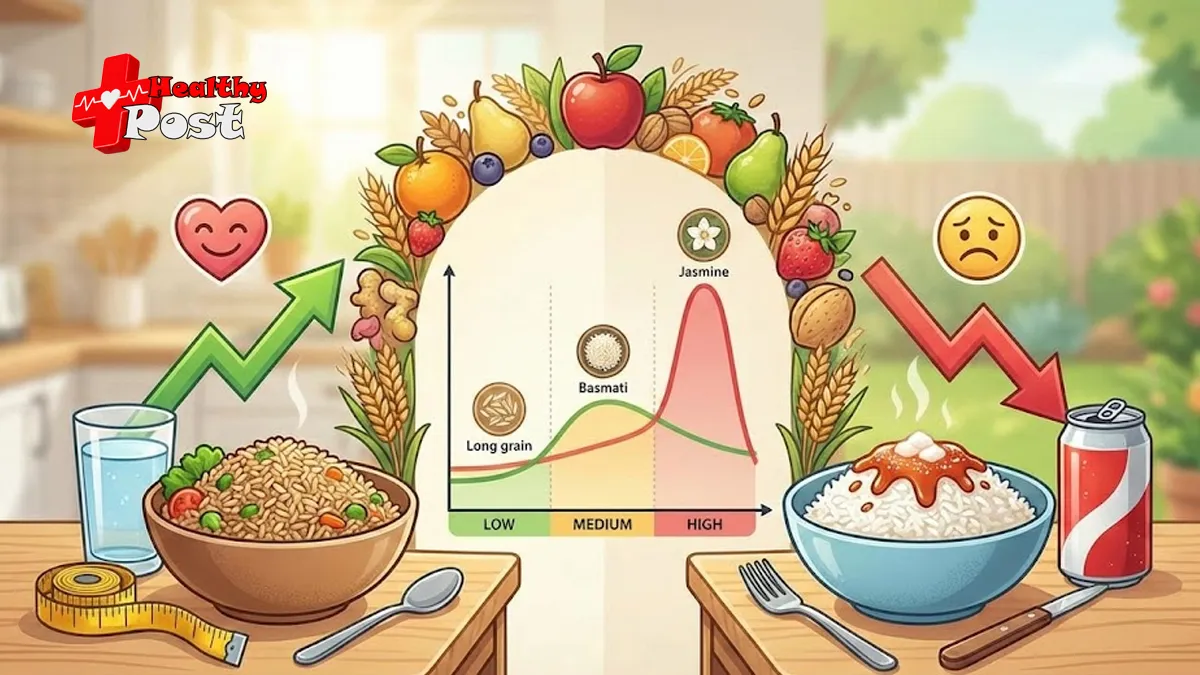
10 Proven Facts About Rice Index Glycemic You Must Know for Better Health
Rice is comfort food for millions of people. It is simple, filling, and fits many cultures. Yet many people worry about rice and blood sugar. Especially if they have diabetes, prediabetes, or want to lose weight.
Understanding the rice index glycemic can remove a lot of that fear. You can still enjoy rice. You just need to know how different types and portions affect your body.
In this article, we will explore ten clear facts about the glycemic index of rice. You will learn how rice affects blood sugar, energy, cravings, and long‑term health. You will also see how to balance your plate. So you can keep rice in your life without guilt.
Use these facts as gentle guidance, not strict rules. Small changes can bring big benefits over time. 🌱
This article is written in a clear, science‑based way. It is also friendly and practical. It is designed so even beginners can understand concepts like the rice index glycemic and glycemic load.
Fact 1: Glycemic Index Measures How Fast Rice Raises Blood Sugar 📊
To start, let’s explain the term. Glycemic index, often shortened to GI, is a number from 0 to 100. It shows how quickly a food raises blood sugar compared with pure glucose.
High GI foods raise blood sugar fast. Low GI foods raise it slower and more gently. The rice index glycemic tells you how quickly rice turns into glucose in your blood.
Broad GI ranges are:
- Low GI: 55 or less
- Medium GI: 56–69
- High GI: 70 or more
Most white rice types fall into the medium or high GI range. Many brown or unpolished rice types fall into the low to medium range.
Why does this matter?
When blood sugar rises very fast, your body releases a lot of insulin. This can lead to:
- Energy crashes later
- Strong hunger soon after eating
- Higher risk of insulin resistance over time
Knowing the GI of rice does not mean you must avoid rice. It helps you choose types and portions wisely. That knowledge supports better blood sugar control and more stable energy.
Fact 2: White Rice Usually Has a Higher Glycemic Index Than Brown Rice 🌾
The way rice is processed changes its GI. White rice has its bran and germ removed. Brown rice keeps these outer layers.
This difference changes the rice index glycemic. In many cases:
- White rice: GI often 70 or higher (high GI)
- Brown rice: GI often between 50 and 65 (low to medium GI)
The bran and germ in brown rice contain fiber, vitamins, and minerals. Fiber slows digestion. So glucose enters your blood more slowly.
What this can mean for you:
- Brown rice may help keep you full longer.
- It may cause a smaller spike in blood sugar.
- It can be friendlier for people with diabetes or prediabetes.
Real life example:
Imagine you always eat a big plate of white rice at dinner. Try swapping half of it for brown rice. Keep everything else the same. Notice how your energy and hunger feel over the next few hours. This small change could reduce the overall glycemic impact of your meal.
For deeper background, you can explore the Harvard T.H. Chan School of Public Health (https://www.hsph.harvard.edu/nutritionsource/) guidance on whole grains and health.
Fact 3: Different Rice Types Have Different GI Values 🍚
Not all rice behaves the same way in your body. Even among white rice types, the glycemic index of rice can vary.
Here is a simple overview of common types and their approximate GI values. Numbers may vary between studies, but patterns are clear.
| Rice Type (cooked) | Approx. GI Value | Typical Category | Notes |
|---|---|---|---|
| Short‑grain sticky white rice | 80–90 | High GI | Very soft and sticky; digests quickly |
| Jasmine white rice | 70–80 | High GI | Fragrant; common in Southeast Asian dishes |
| Regular long‑grain white rice | 70–80 | High GI | Fluffy when cooked |
| Basmati white rice | 50–60 | Low–medium GI | Long, slender grains; digests slower |
| Brown basmati rice | 45–55 | Low GI | Higher fiber content |
| Regular brown rice | 50–65 | Low–medium GI | Chewier texture; helps fullness |
Key point:
You can lower the impact on blood sugar just by choosing a different rice variety.
If you love white rice, basmati rice is often a better choice. Its GI is usually lower than many other white rices. That means a smaller blood sugar spike, even if the taste feels similar to you.
Fact 4: Cooking and Cooling Rice Can Change Its Glycemic Index ❄️
The way you cook rice affects its structure. That structure affects how your body digests it.
Cooking rice and eating it hot usually gives the GI listed in most tables. Yet something interesting happens when you cook rice, then cool it.
When rice cools, some of its starch becomes “resistant starch.” This type of starch resists digestion in the small intestine. It behaves more like fiber.
This means:
- Slightly less of the starch converts quickly to glucose.
- The effective GI of the rice can drop.
- It may be gentler on blood sugar.
Practical ideas:
- Cook extra rice.
- Chill it in the fridge for several hours or overnight.
- Eat it cold in a salad.
- Or reheat gently and enjoy it warm again.
Even reheated, the rice can keep some resistant starch. So the rice index glycemic effect may still be lower than freshly cooked.
This does not turn high GI rice into a low GI miracle food. But it can help reduce the blood sugar rise a bit. Small tweaks like this can support better long‑term control.
Fact 5: Portion Size and Glycemic Load Matter as Much as GI 🍽️
Glycemic index looks only at how fast a standard portion of carbs raises blood sugar. It does not look at how much you actually eat.
This is where glycemic load comes in. Glycemic load (GL) combines:
- The GI of the food
- The amount of carbs in a typical serving
Formula in simple terms:
Glycemic load = (GI × grams of carbs per serve) ÷ 100
A food can have a high GI but a low GL if you eat a small portion. Rice tends to be carb dense. So large bowls can give you a high GL, even with lower GI varieties.
To use this idea:
- Keep GI in mind when choosing your type of rice.
- Control portion size to manage glycemic load.
A common helpful guide is:
- Aim for about ½ to 1 cup cooked rice per meal for most adults.
- Fill the rest of the plate with vegetables and lean protein.
Even a “better” GI rice can cause big spikes if the portion is very large. So remember, rice index glycemic and portion size work together.
Fact 6: Pairing Rice With Protein, Healthy Fats, and Fiber Softens Blood Sugar Spikes 🥦
You rarely eat rice alone. You eat it with vegetables, sauces, meat, fish, beans, or tofu. This matters a lot.
When you add protein, healthy fats, and fiber, digestion slows down. This can lower the overall glycemic impact of the meal. Even if the glycemic index of rice is high by itself.
Helpful pairings include:
- Rice with lentils, chickpeas, or beans
- Rice with tofu, eggs, or grilled chicken
- Rice with avocado or a small amount of nuts
- Rice with plenty of non‑starchy vegetables
Real life example:
Compare a big bowl of plain white rice with soy sauce, versus a bowl of rice with stir‑fried vegetables and tofu. The second meal has more fiber, protein, and healthy fats. It will usually raise blood sugar more slowly and help you feel full longer.
You do not need to memorize every number for the rice index glycemic. Focus on building balanced plates. Think “rice plus veggies plus protein” at most meals.
Fact 7: Rice and Diabetes – You Do Not Need to Ban Rice Completely 🩺
Many people with diabetes hear, “You must stop eating rice.” This message can feel harsh and unrealistic, especially in cultures where rice is a staple.
The science is more nuanced. Some large studies link heavy intake of white rice to higher diabetes risk. But that does not mean rice is poison. It means that type, amount, and context matter.
The American Diabetes Association (https://www.diabetes.org/) notes that carbs can be part of a healthy pattern. The focus is on:
- Total carb intake
- Food quality
- Fiber
- Overall eating pattern
For people with diabetes, helpful steps include:
- Favor lower GI options such as brown rice or basmati rice.
- Keep portions moderate, based on your carb targets.
- Combine rice with protein and non‑starchy vegetables.
- Monitor your blood sugar response after rice meals.
If you use a glucose meter or continuous glucose monitor, you can run simple at‑home tests. Compare your numbers after:
- White rice alone
- Brown rice with vegetables and protein
You may see clear differences in your body’s response. That is your personal rice index glycemic in action.
Always work with your health care team to adjust portions and medication safely.
Fact 8: Rice Index Glycemic May Affect Weight, Hunger, and Cravings ⚖️
High GI meals can cause rapid rises and drops in blood sugar. That rollercoaster can influence hunger, cravings, and energy.
For some people, high GI rice meals may lead to:
- Extra hunger a few hours later
- Strong cravings for sweets or more carbs
- Feeling sleepy or “foggy” after eating
Lower GI rice options and balanced meals can:
- Support more stable energy
- Help you feel satisfied with fewer calories
- Make it easier to stick to a healthy eating pattern
If you are trying to manage your weight, focus on:
- Lower GI rice choices
- Reasonable portions
- Extra vegetables on the plate
- Adequate protein at each meal
Weight management is not only about the rice index glycemic. Sleep, stress, and movement all matter too. Yet rice choices can still play a clear role for many people.
Fact 9: Whole‑Grain and Mixed‑Grain Rice Options Offer Extra Health Benefits 🌈
Whole‑grain rice keeps more of the plant’s natural parts. That usually means more fiber, vitamins, minerals, and protective plant compounds.
Examples include:
- Brown rice
- Red rice
- Black or purple rice
- Mixed‑grain rice blends with barley, quinoa, or millet
These options often have a lower or medium GI compared with many refined white rices. They also add color and texture to meals. That can make healthy eating more enjoyable.
Black and red rice varieties also provide antioxidants called anthocyanins. These compounds may support heart and metabolic health.
If you are new to whole‑grain rice, shift slowly. For example:
- Week 1–2: Mix 25% brown rice with 75% white rice.
- Week 3–4: Move to a 50/50 mix.
- Later: Try 75% brown or colored rice, 25% white rice.
This gentle approach gives your taste buds and digestion time to adapt. Over time, you may come to prefer the extra flavor and chew.
The World Health Organization encourages higher intake of whole grains as part of chronic disease prevention. Whole‑grain rice can support that goal while respecting cultural food traditions.
Fact 10: You Can Enjoy Rice Mindfully and Still Protect Your Health 😊
Food is not only about numbers. It connects to culture, family, and comfort. Many people feel torn between tradition and health advice.
You do not have to choose one or the other. You can honor your traditions and still respect what we know about the glycemic index of rice.
Here is a simple, balanced approach:
- Choose lower GI rice types when you can.
- Keep most single servings around ½ to 1 cup cooked.
- Fill half your plate with non‑starchy vegetables.
- Add a palm‑sized portion of protein.
- Include a little healthy fat, such as olive oil or nuts.
Use these steps most of the time. On special occasions, enjoy your favorite rice dishes with presence and gratitude. Then return to your usual routine at the next meal.
Mindful eating also helps. Eat slowly when possible. Notice taste, texture, and fullness cues. This can naturally lead to smaller portions and more satisfaction.
Articles like this are created with careful research and clear structure. They are also crafted with Rank Math SEO optimization in mind. That helps people who need this guidance find it more easily.
Frequently Asked Questions About Rice Index Glycemic ❓
1. Is rice always bad for blood sugar?
No, rice is not always bad. Its effect depends on the type, portion, and what you eat with it. Lower GI varieties and balanced meals can fit into many healthy plans. Especially when you monitor your personal blood sugar response.
2. Which rice is best for people with diabetes?
Many people with diabetes do well with brown rice, red rice, black rice, or white basmati rice. These often have a lower or medium GI. Still, individual responses differ. Test your blood sugar after different rice meals to see what works for you.
3. Can I eat white rice and still lose weight?
Yes, some people lose weight while still eating white rice. Key factors are portion control, total calories, and meal balance. Choosing smaller servings of white rice and adding more vegetables and protein can support weight loss, even if the rice index glycemic is higher.
4. Is sushi rice or sticky rice worse for blood sugar?
Sushi rice and other sticky short‑grain white rices often have a high GI. They digest quickly and can raise blood sugar faster. If you love them, enjoy smaller portions and pair them with protein and vegetables to reduce the impact.
5. Does rinsing rice lower its glycemic index?
Rinsing rice helps remove excess starch from the surface. It can slightly reduce the total starch you eat. However, it likely has only a modest effect on the overall GI. Type of rice, cooking method, and what you eat with it have a bigger impact.
6. How often can I eat rice and still stay healthy?
Frequency depends on your total diet, health goals, and blood sugar control. Some people eat rice daily with no problems. Others with diabetes or insulin resistance may need smaller portions or less often. Focus on your full weekly pattern, not just one food. Your health care team or dietitian can give personalized advice.
Conclusion: Use Rice Index Glycemic Wisely, Not Fearfully 🌿
Understanding the rice index glycemic is like having a helpful map. It does not tell you to avoid rice completely. It shows you how to navigate your choices.
Key takeaways include:
- Different rice types have different GI values.
- Whole‑grain and basmati options often have a lower GI.
- Portion size and glycemic load matter as much as GI.
- Pairing rice with protein, fiber, and healthy fats softens blood sugar spikes.
- People with diabetes can often enjoy rice with planning and monitoring.
You do not have to change everything overnight. Start with one or two steps. Maybe switch to basmati or brown rice. Or reduce your usual portion and add more vegetables.
Over time, these small, steady changes can support better blood sugar control, more stable energy, and improved long‑term health.
If you found this guide helpful, consider exploring more about whole grains and balanced eating in your trusted health resources or within your favorite health blog sections. Let the knowledge about the rice index glycemic support your choices, not control your joy in eating. 🌾💚


One thought on “10 Proven Facts About Rice Index Glycemic You Must Know for Better Health”