



Diverticulitis is a digestive condition that causes inflammation in the colon. It can lead to pain, fever, and digestive issues. Doctors use the ICD 10 code for diverticulitis to classify and track this disease in medical records. Proper coding ensures accurate diagnosis, treatment, and insurance claims.
Understanding the ICD 10 code for diverticulitis helps healthcare providers and patients manage this condition effectively. Each code variation specifies whether the diverticulitis is with or without complications. Using the right code ensures proper medical documentation and billing.
This article explains the ICD 10 code for diverticulitis, its importance, and how it impacts healthcare. We will cover different code classifications, symptoms, and treatment guidelines. Below is a table summarizing the main ICD 10 codes for diverticulitis:
ICD 10 Codes for Diverticulitis
| ICD 10 Code | Description |
|---|---|
| K57.30 | Diverticulitis of the large intestine without perforation or abscess |
| K57.32 | Diverticulitis of the large intestine with perforation and abscess |
| K57.90 | Diverticulitis of intestine, unspecified, without perforation or abscess |
| K57.92 | Diverticulitis of intestine, unspecified, with perforation and abscess |
By the end of this guide, you will understand how the ICD 10 code for diverticulitis is used in medical practice. Let’s explore this essential coding system in detail.
What Is Diverticulitis?
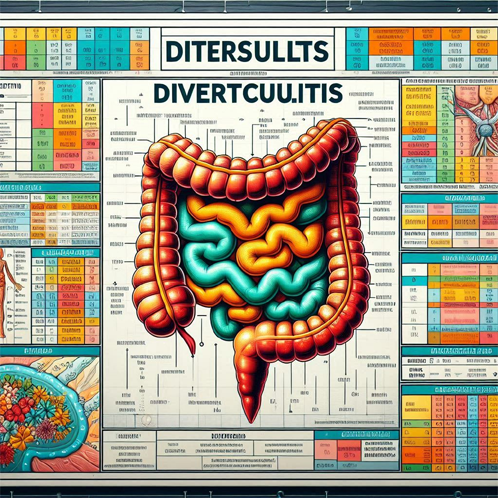
Diverticulitis is a condition where small pouches in the colon become inflamed or infected. These pouches, called diverticula, form in weak spots of the colon wall. When bacteria get trapped in them, it can cause pain and swelling.
Key Symptoms and Health Risks
Diverticulitis can cause several uncomfortable symptoms, including:
- Severe abdominal pain, usually on the left side
- Fever and chills
- Nausea and vomiting
- Changes in bowel habits (constipation or diarrhea)
- Bloating and gas
If left untreated, diverticulitis can lead to serious health risks. Complications may include:
- Abscess formation – Pockets of pus in the colon
- Perforation – A tear in the colon wall
- Peritonitis – A severe infection in the abdomen
- Intestinal blockage – A blockage that stops food from passing
- Fistula – An abnormal connection between organs
Importance of Accurate Diagnosis
Correct diagnosis is essential for effective treatment. Doctors use symptoms, physical exams, and tests like CT scans to confirm diverticulitis. They also rely on the code for diverticulitis for proper medical documentation.
Accurate coding ensures that patients receive the right treatment and that healthcare providers can track the disease properly. Mild cases may only need antibiotics and a special diet. Severe cases may require surgery to remove the affected part of the colon.
Understanding the diverticulitis code helps both doctors and patients manage this condition better. Proper medical coding improves patient care and supports insurance claims for necessary treatments.
Understanding ICD 10 Codes
ICD 10 coding is a system used worldwide to classify diseases and health conditions. It helps doctors, hospitals, and insurance companies record and track medical diagnoses. The diverticulitis code ensures that this condition is properly identified and treated.
Role of ICD 10 Coding in Healthcare
ICD 10 codes serve an important role in healthcare, including:
- Standardizing medical diagnoses across hospitals and clinics
- Helping doctors choose the right treatment plan
- Supporting insurance claims and medical billing
- Assisting in disease tracking and medical research
Using the correct ICD 10 code for diverticulitis helps doctors and insurance providers ensure accurate records and reimbursements.
Benefits of Using ICD 10 Codes
ICD 10 codes offer several benefits, such as:
- Improved accuracy – Ensures clear documentation of diseases
- Better patient care – Helps doctors choose the right treatment
- Efficient billing – Reduces errors in insurance claims
- Global standardization – Used internationally for consistency in healthcare
A precise ICD 10 code for diverticulitis prevents misdiagnosis and ensures appropriate medical management.
Structure and Format of ICD 10 Codes
ICD 10 codes follow a specific structure:
- First character – Always a letter (A-Z)
- Second character – Always a number (0-9)
- Remaining characters – Combination of numbers and letters for details
For example, the ICD 10 code for diverticulitis is K57.30, where:
- K – Diseases of the digestive system
- 57 – Diverticular disease of the intestine
- .30 – Specific type (large intestine without perforation or abscess)
Understanding ICD 10 coding ensures proper medical documentation and better patient outcomes.
ICD 10 Code for Diverticulitis
It is used to classify and document this digestive condition. It helps doctors, hospitals, and insurance providers ensure accurate diagnosis and treatment. Diverticulitis codes fall under category K57, which covers diseases of the intestine related to diverticula.
Subcategories of ICD 10 Code for Diverticulitis
ICD 10 codes for diverticulitis vary based on location and severity. Below are the main subcategories:
| ICD 10 Code | Description |
|---|---|
| K57.30 | Diverticulitis of the large intestine without perforation or abscess |
| K57.32 | Diverticulitis of the large intestine with perforation and abscess |
| K57.90 | Diverticulitis of intestine, unspecified, without perforation or abscess |
| K57.92 | Diverticulitis of intestine, unspecified, with perforation and abscess |
Each code specifies whether the condition is complicated or uncomplicated. This ensures that patients receive the correct treatment based on severity.
Importance of Precision in Coding Diverticulitis
Accurate coding is essential for:
- Correct treatment – Helps doctors provide appropriate medical care
- Insurance claims – Ensures proper billing and reimbursement
- Medical records – Maintains clear documentation for future reference
- Disease tracking – Supports research and public health analysis
Using the correct code for diverticulitis prevents misdiagnosis and treatment delays. A small error can lead to incorrect billing or inadequate care. Physicians and medical coders must carefully select the right code to ensure effective patient management.
Why Is ICD 10 Coding Crucial?
ICD 10 coding plays a vital role in healthcare. It standardizes medical diagnoses, ensuring clear communication between doctors, hospitals, and insurance companies. The ICD 10 code for diverticulitis helps classify the condition accurately for treatment and billing.
Simplifying Communication in Healthcare
ICD 10 codes create a universal medical language. They allow healthcare professionals to:
- Share patient diagnoses without confusion
- Reduce errors in medical records
- Improve coordination between doctors, specialists, and hospitals
For example, when a patient is diagnosed with diverticulitis, using the ICD 10 code for diverticulitis ensures all healthcare providers understand the condition’s severity and treatment requirements.
Role in Insurance Claims and Medical Billing
Medical billing relies on ICD 10 codes to process insurance claims. Proper coding ensures:
- Accurate billing – Prevents claim denials and financial disputes
- Fair reimbursement – Ensures patients and providers receive correct payments
- Efficient processing – Speeds up claim approvals and reduces paperwork
Incorrect coding may lead to claim rejection or delayed treatment coverage. Using the correct ICD 10 code for diverticulitis helps avoid these issues.
Tracking and Analyzing Health Trends
ICD 10 codes play a key role in public health research. They help:
- Monitor disease outbreaks and trends
- Identify risk factors for chronic conditions
- Improve healthcare policies and resource allocation
By analyzing data from ICD 10 codes, researchers can track how often conditions like diverticulitis occur. This helps develop better treatments and preventive measures.
In summary, ICD 10 coding improves communication, supports billing, and enhances healthcare research. Using the correct ICD 10 code for diverticulitis ensures accurate medical documentation and better patient care.
Steps to Use ICD 10 Code for Diverticulitis
Using the correct ICD 10 code for diverticulitis ensures accurate diagnosis, treatment, and billing. Below is a step-by-step guide to identifying and applying the right code.
Step-by-Step Process
- Review Patient Symptoms – Check for common diverticulitis symptoms like abdominal pain, fever, and bowel changes.
- Confirm Diagnosis – Use lab tests, CT scans, or colonoscopy to verify diverticulitis.
- Determine Severity – Identify whether the condition is uncomplicated or complicated (perforation, abscess).
- Choose the Correct Code – Select the appropriate ICD 10 code for diverticulitis from the official list:
- K57.30 – Large intestine, without perforation or abscess
- K57.32 – Large intestine, with perforation and abscess
- K57.90 – Unspecified location, without perforation or abscess
- K57.92 – Unspecified location, with perforation and abscess
- Document Properly – Ensure accurate medical records with complete patient details.
- Submit for Billing – Use the correct code to avoid claim rejections.
Common Errors and How to Avoid Them
- Incorrect code selection – Always check the latest ICD 10 updates.
- Incomplete documentation – Provide full details on the condition’s severity.
- Misclassification – Verify whether the diverticulitis is uncomplicated or complicated.
Tools and Resources for Simplified Coding
- ICD 10 Code Lookup Tools – Online databases for quick code reference.
- Medical Coding Software – Helps avoid errors and ensures accuracy.
- Official ICD Guidelines – Provides detailed coding instructions.
Following these steps ensures proper use of the ICD 10 code for diverticulitis, improving patient care and claim processing.
Common Challenges in Coding Diverticulitis
Accurately coding diverticulitis can be challenging due to variations in diagnosis and healthcare documentation. Using the correct ICD 10 code for diverticulitis is essential for proper treatment and billing.
Misinterpretation of Symptoms or Diagnosis
Diverticulitis symptoms, such as abdominal pain and bowel irregularities, can mimic other conditions like irritable bowel syndrome (IBS) or appendicitis. This may lead to:
- Incorrect coding – Assigning the wrong diagnosis code.
- Delayed treatment – Misdiagnosis may result in improper care.
Solution: Ensure a clear diagnosis using medical imaging (CT scans) and lab tests before assigning the correct ICD 10 code for diverticulitis.
Variations in Coding Across Healthcare Systems
Different hospitals and insurance providers may have slight variations in how they interpret and apply ICD 10 codes. This can cause:
- Inconsistent medical records – Affecting treatment history.
- Billing disputes – Leading to claim denials or payment delays.
Solution: Follow official ICD 10 coding guidelines and update coding practices according to the latest revisions.
Tips for Overcoming Coding Challenges
- Use detailed medical documentation – Include symptoms, test results, and severity.
- Verify codes with ICD 10 lookup tools – Ensure accuracy before submission.
- Train healthcare staff regularly – Keep updated on coding changes.
By addressing these challenges, medical professionals can correctly apply the ICD 10 code for diverticulitis, improving healthcare accuracy and efficiency.
Impact on Patient Care
Accurate use of the ICD 10 code for diverticulitis plays a vital role in patient care. It ensures proper diagnosis, treatment, and medical record-keeping, leading to better health outcomes.
Supports Effective Treatment Planning
Correct coding helps doctors develop the best treatment plan by:
- Identifying whether diverticulitis is uncomplicated or complicated (with perforation or abscess).
- Ensuring the patient receives appropriate medication, dietary recommendations, or surgery if needed.
- Helping specialists, such as gastroenterologists, provide targeted care based on severity.
A misclassified diagnosis may lead to ineffective treatment, worsening the patient’s condition.
Ensures Continuity of Care
Proper documentation using the right ICD 10 code for diverticulitis helps maintain a consistent medical history. This benefits:
- Primary care doctors – Reviewing past conditions for ongoing care.
- Specialists and surgeons – Accessing complete patient records for informed decisions.
- Hospitals and emergency services – Understanding prior treatments during urgent situations.
Incomplete or incorrect documentation can lead to gaps in care, affecting long-term patient health.
Benefits for Patients
When medical coding is accurate, patients experience:
- Transparency in billing – Reduces claim rejections and unexpected costs.
- Faster insurance processing – Ensures timely approval of treatments.
- Better overall health management – Supports preventative care and reduces complications.
Using the correct ICD 10 code for diverticulitis leads to improved healthcare experiences, ensuring patients receive the care they need without unnecessary delays.
Conclusion
The ICD 10 code for diverticulitis is essential for accurate diagnosis, treatment planning, and medical billing. Proper coding helps healthcare professionals communicate effectively, ensures correct insurance claims, and improves patient care.
Using the right ICD 10 code for diverticulitis minimizes errors, prevents misdiagnosis, and supports long-term patient management. It also allows for better tracking of disease trends, aiding in research and healthcare policy improvements.
To improve coding practices, medical professionals should:
- Stay updated with ICD 10 guidelines and revisions.
- Ensure detailed documentation of symptoms, severity, and complications.
- Use coding tools and training programs to enhance accuracy.
Healthcare professionals play a crucial role in maintaining high coding standards. By adopting accurate coding techniques, they can enhance patient care, streamline billing, and contribute to a more efficient healthcare system.