

Clinical Authorship & Verification
This article has been written by Dr. Rachana Bhoite (Nutrition Science, Dr. Reddy’s Labs ↗), specializing in nutritional science and metabolic wellness.
Medical Disclaimer: The information on Healthy Post is for educational and informational purposes only and does not constitute medical or nutritional advice. Vitamin K2 intake and dietary modifications can interact with certain medications, particularly blood thinners like warfarin. Always consult a qualified physician or registered dietitian before altering your diet, starting new vitamin supplements, or managing bone health conditions.

🏥 Medical Review Board Member
Dr. Rachana Bhoite, PhD
Nutrition Science Expert | Dr. Reddy’s Laboratories (Hyderabad, India)
Dr. Rachana Bhoite, PhD, is a distinguished industry veteran with over 22 years of expertise in Foods & Nutrition and clinical research. With a career deeply rooted in medical nutrition and nutraceutical innovation, she has successfully designed and launched numerous scientifically differentiated products across global markets. Dr. Bhoite is dedicated to bridging the gap between complex clinical data and accessible, evidence-based nutrition. Her commitment to rigorous research ensures that every piece of content she reviews meets the highest standards of scientific accuracy and consumer safety.
If you’ve been working on building stronger bones, you may have heard about vitamin K2 — and for good reason. This lesser-known nutrient quietly helps direct calcium where your body needs it most: into bones and teeth, not into arteries. The good news? Many delicious, everyday foods contain vitamin K2, and adding a few of them to your plate can be an easy, practical way to support bone health.
I get that nutrition advice can feel overwhelming. You don’t have to overhaul your life overnight. Think of this article as a friendly guide: a simple explanation of what vitamin K2 does, a helpful list of 10 vitamin K2 foods to try, safety tips, and quick ideas for how to add them into meals. If you use WordPress and Rank Math, I’ll also include a few SEO tips so you can share this helpful info with others.
What is vitamin K2?
Vitamin K2 is one of the forms of the vitamin K family. While vitamin K1 is mainly found in leafy greens and helps with blood clotting, vitamin K2 plays a special role in bone and cardiovascular health. It activates proteins like osteocalcin, which helps bind calcium into the bone matrix, and matrix GLA protein, which helps keep calcium out of soft tissues like arteries.
In plain terms: vitamin K2 helps calcium go to the right place. If you want stronger bones and healthier arteries, K2 is a nutrient to know about.
Quick note on benefits (short)
- Helps move calcium into bones and teeth.
- Supports bone strength and density.
- Works together with vitamin D and calcium.
- May reduce arterial calcification risk.
10 Foods Rich in Vitamin K2 (and how they help bone health)
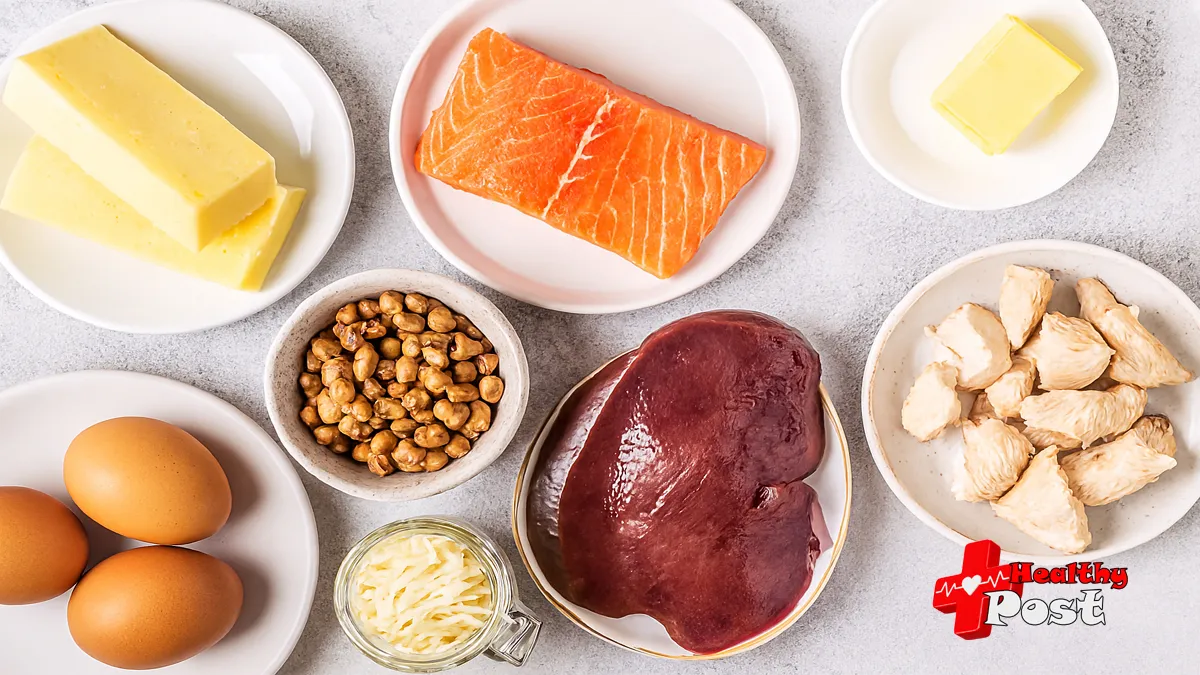
Below are 10 accessible, tasty foods that supply vitamin K2. Each item includes why it’s helpful for bones, how to eat it, and a simple real-life tip.
- Natto — A vitamin K2 powerhouse for bone health
Why it helps:
- Natto is a traditional Japanese fermented soybean food and one of the richest natural sources of vitamin K2 (particularly the MK-7 form), which is very effective at activating bone-related proteins.
- MK-7 has a longer half-life in the bloodstream, meaning it stays active longer and may be especially useful for bone health.
How to eat it:
- Mix natto into warm rice, add green onions and a splash of soy sauce, or stir it into a tamago (egg) rice bowl.
- If you’re new to natto, the texture and aroma can be unusual. Try it mixed with strong flavors (mustard, soy sauce, or kimchi) to ease in.
Real-life tip:
- Start with a small serving (a few spoonfuls) once or twice a week and adjust based on taste and tolerance.
- Hard Cheeses (Gouda, Edam) — tasty and bone-friendly
Why it helps:
- Many hard and aged cheeses contain vitamin K2, especially MK-8 and MK-9 types. Cheese also supplies calcium and protein, two other building blocks for bone strength.
- These cheeses often have more K2 than fresh cheeses because fermentation and aging increase K2 content.
How to eat it:
- Add grated Gouda to salads, melt slices on whole-grain toast, or enjoy cubes as a snack with fruit.
- Swap out processed cheese for a small portion of aged cheese for extra K2 and flavor.
Real-life tip:
- Keep a small portion of hard cheese in the refrigerator for quick snacks—paired with apple slices or whole-grain crackers it’s satisfying and bone-supportive.
- Grass-fed Butter — a simple way to add K2
Why it helps:
- Butter from grass-fed cows tends to have higher vitamin K2 levels (and more vitamin A and omega-3s) than butter from grain-fed animals.
- It’s an easy, flexible way to add small amounts of K2 to meals without changing your diet dramatically.
How to eat it:
- Use grass-fed butter to finish steamed vegetables, stir into whole grains, or spread on toast.
- A little goes a long way—pair it with high-vitamin D foods (like fatty fish or eggs) for synergy.
Real-life tip:
- Switch the butter you already use to grass-fed butter for a low-effort nutrition boost.
- Egg Yolks — vitamin K2-rich and versatile
Why it helps:
- Egg yolks contain vitamin K2, along with vitamin D, protein, and essential minerals that all support bone health.
- The fat in the yolk helps absorb fat-soluble vitamins like K2 and D, so they complement each other well.
How to eat it:
- Enjoy eggs boiled, poached, scrambled, or made into a quick omelet with veggies and cheese.
- Paleo and low-carb diets often highlight egg yolks for bone-supporting nutrients.
Real-life tip:
- Try swapping egg whites-only breakfasts for whole eggs a few times a week to add natural vitamin K2 and more satisfying protein.
- Chicken (especially dark meat) — accessible and useful
Why it helps:
- Animal meats, including chicken, offer small but meaningful amounts of vitamin K2 (mainly MK-4).
- Dark meat and organ cuts tend to be richer in K2 than lean white meat.
How to eat it:
- Roast, grill, or add shredded chicken to grain bowls, salads, and soups.
- Chicken liver is particularly nutrient-dense—try paté or a small portion sautéed with onions.
Real-life tip:
- Incorporate shredded roast chicken into quick lunches: add to a salad or whole-grain wrap with strong-flavored mustard to boost flavor and K2 intake.
- Chicken Liver and Other Organ Meats — nutrient-dense options
Why it helps:
- Organ meats like liver are concentrated sources of many micronutrients, including vitamin K2, vitamin A, iron, and B vitamins—useful for overall bone and general health.
- Small amounts go a long way nutritionally.
How to eat it:
- Try chicken liver pâté spread thinly on toast, or add diced liver to ground meat dishes.
- If the taste is strong, mix with onions, herbs, and citrus to balance flavors.
Real-life tip:
- Start with small portions (once a week) if you’re new to organ meats. Many people find blends (e.g., liver blended with ground beef) easier to adjust to.
- Sauerkraut and Fermented Vegetables — vitamin K2 in your salad bowl
Why it helps:
- Fermented vegetables can provide vitamin K2 (though levels vary). They also supply probiotics, which support gut health and may indirectly help nutrient absorption.
- Fermented foods often contain MK-7 or other menaquinones made by beneficial bacteria.
How to eat it:
- Top sandwiches or bowls with sauerkraut, add kimchi as a side, or toss fermented pickles into salads.
- Homemade or artisan fermented veggies often have more robust microbial diversity than pasteurized store-bought options.
Real-life tip:
- Keep a small jar of sauerkraut in the fridge to add to weekday lunches—one tablespoon adds flavor and a potential K2 boost.
- Fermented Soy Products (Tempeh, Miso) — plant-based options
Why it helps:
- Tempeh and miso are fermented soy products that can contain vitamin K2, particularly depending on fermentation methods and microbes used.
- Tempeh is also a solid source of plant protein and works well as a meat alternative.
How to eat it:
- Slice and pan-fry tempeh for salads, wraps, or grain bowls. Use miso in soups, dressings, or marinades.
- These are excellent choices for people following vegetarian or flexitarian diets.
Real-life tip:
- Use miso paste as a quick flavor enhancer—stir a teaspoon into dressings or soups for umami plus potential K2 benefits.
- Beef (especially certain cuts) — practical sources
Why it helps:
- Beef contain MK-4, a form of vitamin K2. While amounts per serving aren’t as high as natto or some cheeses, regular consumption of these meats contributes to overall K2 intake.
- Eating these in the context of a balanced diet with sufficient calcium and vitamin D supports bone health.
How to eat it:
- Include lean cuts or occasional richer cuts like beef liver in stews, stir-fries, or slow-cooked dishes.
- Pair with vegetables and whole grains to build balanced meals.
Real-life tip:
- Consider slow-cooking tougher cuts (which are often cheaper) for flavorful meals with little active cooking time.
- Fatty Fish (Salmon, Mackerel) — bones love the combo
Why it helps:
- Fatty fish provide vitamin D, omega-3s, and some vitamin K2, which together support bone mineralization and reduce inflammation.
- The combination of vitamin D and vitamin K2 is particularly supportive: D helps increase calcium absorption while K2 helps place that calcium into bone.
How to eat it:
- Bake, grill, or pan-sear salmon for a quick dinner. Add sardines on salads or whole-grain toast.
- Canned fish (like sardines) are convenient and often more affordable while still packing nutrients.
Real-life tip:
- Aim for at least two servings of fatty fish per week for overall heart and bone benefits.
Visual comparison: Quick table of vitamin K2 food sources
Below is a simple table to compare these foods at a glance. Values are relative (High / Moderate / Low) because exact amounts vary by production method, fermentation, and serving size.
How vitamin K2 works with vitamin D and calcium
- Think of vitamin D as increasing calcium absorption from the gut.
- Vitamin K2 then helps place that calcium into bones by activating osteocalcin.
- Together, they support bone mineral density more effectively than either alone.
This synergy is why many nutrition experts recommend ensuring adequate intake of vitamin D and K2 together, especially when increasing calcium intake.
Vitamin K2 benefits (in summary)
- Supports bone mineralization and strength.
- Helps reduce the risk of calcium depositing in arteries (arterial calcification), promoting cardiovascular health.
- Works synergistically with vitamin D to maximize calcium use.
- May help maintain better bone density as you age.
Vitamin K2 side effects and precautions
Most people tolerate dietary vitamin K2 well. However, there are important safety points to know:
- Blood-thinning medications: If you take warfarin (Coumadin) or similar anticoagulants, vitamin K (both K1 and K2) can interfere with the medication’s effect. Do NOT increase vitamin K2 intake through foods or supplements without consulting your healthcare provider. They may want to monitor and adjust your medication.
- Supplements
Conclusion
Vitamin K2 is more than just a nutrient—it’s a powerful ally for bone and heart health. By understanding what is vitamin K2 and how it works with calcium and vitamin D, you can make smarter choices for long‑term wellness. The vitamin k2 benefits are clear: stronger bones, improved mineralization, and reduced risk of calcium buildup in arteries.
The best part? You don’t need supplements to get started. Everyday vitamin k2 foods like natto, hard cheeses, egg yolks, grass‑fed butter, and fatty fish can easily fit into your meals. Adding even one or two of these options each week can make a meaningful difference. While most people tolerate K2 well, it’s important to be aware of potential vitamin k2 side effects, especially if you take blood‑thinning medications. In short, Vitamin K2 is a small change with big rewards—an incredible way to build stronger bones and protect your overall health naturally.
Frequently Asked Questions (FAQ)
Q1: What is Vitamin K2 and why is it important? Vitamin K2 is a fat‑soluble vitamin that helps guide calcium into bones and teeth while preventing calcium buildup in arteries. It plays a crucial role in bone strength and cardiovascular health.
Q2: What are the main Vitamin K2 benefits? The key vitamin k2 benefits include stronger bones, improved calcium absorption, reduced risk of arterial calcification, and better synergy with vitamin D for overall wellness.
Q3: Which foods are rich in Vitamin K2? Top vitamin k2 foods include natto, hard cheeses (like Gouda and Edam), grass‑fed butter, egg yolks, chicken (especially dark meat), chicken liver, sauerkraut, tempeh, miso, beef, and fatty fish such as salmon and mackerel.
Q4: Are there any Vitamin K2 side effects? Most people tolerate dietary Vitamin K2 well. However, those taking blood‑thinning medications like warfarin should consult a healthcare provider before increasing intake, as Vitamin K2 can interfere with medication effectiveness.
Q5: How does Vitamin K2 work with Vitamin D and calcium? Vitamin D boosts calcium absorption from the gut, while Vitamin K2 activates proteins that place calcium into bones. Together, they maximize bone density and reduce the risk of calcium deposits in arteries.