

This article was written by Dr. Priyanka Agarwal (Dermatologist, Dakai Skin Clinic), specializing in clinical dermatology, inflammatory skin conditions, and diagnostic medical classifications.
Medical Disclaimer: The information provided on Healthy Post regarding hidradenitis suppurativa and its ICD-10 coding or clinical facts is for educational and informational purposes only and does not constitute formal medical advice, diagnosis, or treatment recommendations. Hidradenitis suppurativa is a chronic inflammatory skin disease requiring professional medical evaluation and individualized management. Always consult a qualified board-certified dermatologist or healthcare professional for proper diagnosis and clinical care.

Dr. Priyanka Agarwal
Dermatologist | Dakai Skin Clinic
Dr. Priyanka Agarwal is an experienced Dermatologist dedicated to providing advanced medical and aesthetic skin care solutions. Practicing at Dakai Skin Clinic, Dr. Agarwal combines evidence-based dermatological care with a patient-centered approach, ensuring optimal skin health, advanced clinical treatments, and the highest standards of safety and diagnostic precision.
Hidradenitis suppurativa (HS) is a chronic skin condition that affects millions of people around the world. It causes painful lumps, abscesses, and tunnels under the skin, making daily life difficult. To effectively track, diagnose, and treat this condition, the medical community uses specific coding systems.
The ICD-10 coding system is used globally in healthcare. It simplifies complex medical conditions into standardized codes. For HS patients, these codes are crucial as they provide access to necessary treatments, insurance coverage, and specialized care options. The main code L73.2 represents uncomplicated hidradenitis suppurativa, while additional codes specify the exact areas affected.
You might be wondering why it’s important to understand these codes. Here are a few reasons:
- They help ensure accurate diagnosis and treatment planning.
- They make insurance claim processing smoother.
- They enable research and tracking of condition patterns.
- They support allocation of healthcare resources.
In this article, we will explore some surprising facts about hidradenitis ICD 10 coding that you may not be aware of. We’ll discuss recent updates and specialized treatment options, as well as how these codes influence HS care. Whether you’re a patient looking for information or a healthcare provider wanting to stay updated, this knowledge will deepen your understanding of the significance of HS coding in today’s healthcare system.
Understanding Hidradenitis Suppurativa (HS)
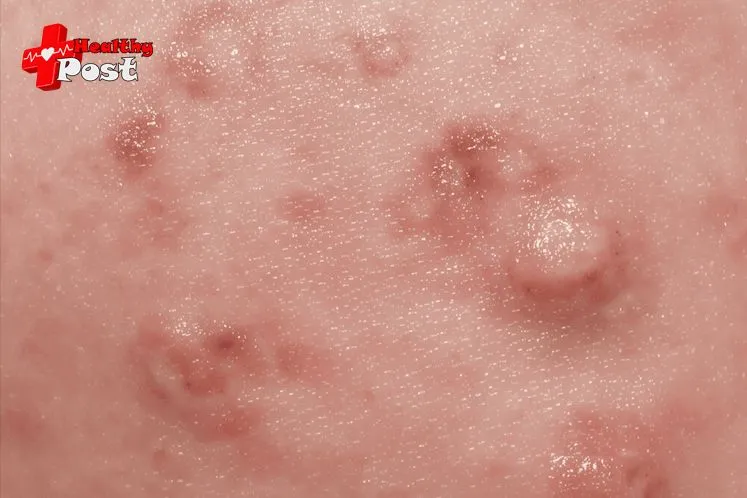
Hidradenitis suppurativa is a complex inflammatory skin condition that affects the hair follicles in areas where skin rubs against skin. It occurs when hair follicles become blocked and inflamed, resulting in painful bumps and abscesses that can burst and create deep tunnels under the skin.
Key Physical Manifestations:
- Deep-seated nodules and abscesses
- Painful, pus-filled lumps
- Blackheads (often appearing in pairs)
- Tunnel formation beneath the skin
- Scarring and tissue changes
Common Affected Areas:
- Armpits (axillae)
- Groin and inner thighs
- Buttocks and anal region
- Under breasts
- Areas where skin rubs against skin
The condition shows distinct patterns among different demographics. Women experience HS at three times the rate of men, with symptoms typically appearing after puberty. African-Americans face a higher risk of developing HS compared to other racial groups. The disease often appears between ages 20-29, though cases can develop earlier or later in life.
Risk Factors:
HS significantly impacts daily life, affecting both physical and emotional well-being. Patients often report:
- Physical limitations in movement and activities
- Chronic pain management challenges
- Social isolation due to visible symptoms
- Workplace difficulties
- Intimate relationship complications
- Sleep disturbances
- Depression and anxiety
The severity ranges from mild cases with occasional flare-ups to severe forms requiring ongoing medical intervention. Many patients experience cycles of active disease followed by periods of relative calm, making long-term management essential for maintaining quality of life.
In addition to HS, women are also at risk for other conditions such as endometriosis, which can further complicate their health situation.
The Role of ICD-10 in Diagnosing Hidradenitis Suppurativa
What is ICD-10?
The ICD-10-CM system serves as a universal medical classification tool used by healthcare providers to document and track diseases. This standardized coding system transforms medical diagnoses into alphanumeric codes, enabling precise communication between healthcare professionals, insurance companies, and medical facilities.
Understanding ICD-10 Code L73.2
The specific ICD-10-CM code L73.2 represents uncomplicated hidradenitis suppurativa. This code:
- Identifies the condition’s severity level
- Specifies the absence of complications
- Helps track disease progression
- Facilitates insurance claims processing
Clinical Applications of ICD-10 Codes
Healthcare providers use ICD-10 codes to:
- Document patient encounters accurately
- Create detailed medical records
- Develop targeted treatment plans
- Monitor disease patterns
- Support research initiatives
The coding system allows practitioners to specify anatomical locations affected by HS:
Treatment Planning Benefits
ICD-10 codes guide healthcare providers in:
- Selecting appropriate medications
- Determining surgical interventions
- Planning follow-up care
- Coordinating with specialists
- Establishing medical necessity for treatments
The systematic nature of ICD-10 coding enables healthcare providers to track treatment effectiveness and adjust care plans based on documented outcomes. This data-driven approach supports evidence-based medicine and helps optimize patient care strategies.
These codes also play a crucial role in research, allowing medical professionals to study disease patterns, treatment responses, and population health trends through standardized documentation.
Detailed Overview of Hidradenitis ICD 10 Codes
The ICD-10 coding system provides specific codes for different anatomical locations affected by Hidradenitis Suppurativa (HS). These location-specific codes help healthcare providers document the exact areas impacted by the condition:
1. L73.0 – Axillary Region
- Affects underarm areas
- Common initial presentation site
- Often bilateral involvement
2. L73.1 – Inguinal Region
- Impacts groin area
- High friction zone susceptibility
- Requires specific treatment approaches
3. L73.3 – Gluteal Region
- Affects buttocks area
- Can develop painful nodules
- May require surgical intervention
4. L73.8 – Other Specified Sites
Under breast tissue, neck area, inner thighs, and other skin fold regions are included in this category.
5. L73.9 – Unspecified Sites
This code is used when the location isn’t clearly defined, serving as a temporary code pending specific diagnosis and requiring follow-up documentation.
Precise anatomical coding serves multiple critical functions in HS treatment:
Insurance Claims Processing
- Accurate documentation supports coverage approval
- Reduces claim denials
- Speeds up reimbursement processes
Treatment Planning
- Guides surgical approach selection
- Influences medication choices
- Helps track disease progression
Medical Research
- Enables data collection by location
- Supports epidemiological studies
- Aids in understanding disease patterns
Healthcare providers use these specific codes to create detailed medical records that reflect the exact nature and location of HS lesions. This precision benefits both immediate patient care and long-term disease management strategies.

Surprising Facts About the Implementation and Updates of Hidradenitis ICD 10 Codes
The medical coding landscape for Hidradenitis Suppurativa has undergone significant changes with the introduction of the L73.2 code on October 1, 2024. This dedicated code represents a milestone in HS diagnosis and treatment tracking.
Key Updates in 2024:
- L73.2 serves as a standalone code for uncomplicated hidradenitis suppurativa
- Integration into the MS-DRG v42.0 classification system
- Placement under the minor skin disorders category for streamlined categorization
These updates bring remarkable improvements to clinical practice and healthcare administration:
Enhanced Clinical Tracking
- Real-time monitoring of disease progression
- Better documentation of treatment responses
- Simplified communication between healthcare providers
- Improved data collection for research purposes
Healthcare Reimbursement Benefits
- Streamlined insurance claim processing
- More accurate coverage determinations
- Reduced claim denials due to coding specificity
- Better cost tracking for healthcare facilities
The inclusion of HS in the MS-DRG v42.0 classification system marks a significant shift in how the healthcare system recognizes and manages this condition. Healthcare providers now have access to more precise diagnostic tools, leading to:
- Standardized documentation practices
- Better disease severity assessment
- Enhanced treatment planning capabilities
- Improved quality metrics tracking
The new coding structure also supports specialized treatment centers in maintaining detailed patient records. This systematic approach helps identify patterns in disease progression and treatment effectiveness across different patient populations.
Healthcare facilities using these updated codes report improved accuracy in:
- Patient population tracking
- Resource allocation
- Treatment outcome documentation
- Insurance authorization processes
These coding updates reflect the growing recognition of HS as a distinct medical condition requiring specialized care and attention within the healthcare system. For further insights into this evolving landscape, you may want to explore some recent changes to MS-DRG classifications which could offer valuable context on the subject matter.
Treatment Approaches Supported by Accurate ICD-10 Coding
Accurate ICD-10 coding unlocks access to a comprehensive range of treatment options for hidradenitis suppurativa patients. Your healthcare provider can prescribe specific treatments based on disease severity and location, documented through precise coding.
First-Line Treatments
- Topical antibiotics (clindamycin)
- Oral antibiotics (tetracyclines, doxycycline)
- Anti-inflammatory medications
- Antiseptic washes
Advanced Medical Interventions
- Biologics: Adalimumab (Humira) – FDA-approved for moderate to severe HS
- Immunosuppressants:
- Methotrexate
- Cyclosporine
- TNF inhibitors
Surgical Management Options
- Incision and drainage (I&D) for acute flares
- Wide excision surgery for severe cases
- Deroofing procedures for recurring lesions
- CO2 laser treatment
- Nd:YAG laser therapy
The L73.2 ICD-10 code helps track treatment effectiveness through detailed documentation. Each surgical intervention receives additional procedure codes, creating a comprehensive medical record that guides future treatment decisions.
Treatment Selection Criteria
- Disease severity (Hurley staging)
- Affected anatomical sites
- Previous treatment responses
- Presence of complications
- Patient-specific factors
Your insurance coverage for these treatments often depends on proper ICD-10 coding. The documentation of disease progression through accurate coding supports medical necessity for advanced treatments like biologics or surgical interventions.
Recent studies show that patients with properly coded HS diagnoses receive more targeted treatments. Healthcare providers use this coding data to:
- Monitor treatment effectiveness
- Adjust medication dosages
- Schedule follow-up procedures
- Coordinate care between specialists
Specialized wound care centers use these codes to develop customized treatment protocols, particularly for patients requiring surgical interventions or advanced wound management.
Lifestyle Changes and Their Importance in Managing Hidradenitis Suppurativa
Daily lifestyle choices play a crucial role in managing hidradenitis suppurativa symptoms. Research shows specific modifications can significantly impact disease progression and symptom severity.
Weight Management
- Excess weight increases skin friction in affected areas
- Studies link obesity to more severe HS symptoms
- A BMI reduction of 15% can lead to symptom improvement
- Regular exercise helps maintain healthy weight and reduces inflammation
Smoking Impact on HS
- Nicotine triggers inflammation in hair follicles
- Smoking doubles the risk of HS development
- Patients who quit smoking report reduced flare frequency
- Smoking cessation support should be part of HS management
Essential Wound Care Practices
- Clean affected areas with gentle, antibacterial soap
- Use loose, breathable clothing to reduce friction
- Apply prescribed topical medications consistently
- Change dressings regularly to prevent infection
Dietary Considerations
- Reduce dairy consumption to minimize inflammation
- Avoid high-glycemic foods that trigger hormonal responses
- Include anti-inflammatory foods:
- Leafy greens
- Omega-3 rich fish
- Berries
- Nuts and seeds
Stress Management
- Practice relaxation techniques
- Maintain regular sleep patterns
- Join support groups for emotional well-being
- Consider counseling to cope with chronic condition
These lifestyle changes work alongside medical treatments to enhance outcomes. Tracking symptoms with proper ICD-10 coding helps healthcare providers monitor the effectiveness of lifestyle modifications and adjust recommendations accordingly.
Patients who implement these changes often report improved quality of life and better disease control. Your healthcare provider can create a personalized lifestyle modification plan based on your specific symptoms and ICD-10 diagnosis code.
Specialized Pharmacy Services Supporting Hidradenitis Patients
Specialized pharmacy services play a crucial role in managing hidradenitis suppurativa through personalized medication support and comprehensive care coordination. These pharmacies offer dedicated services designed specifically for dermatological conditions, including HS.
Key Services Provided by Specialized Pharmacies:
- Prior authorization assistance
- Insurance coverage navigation
- Medication cost management
- Regular medication delivery
- Specialized packaging options
- Direct communication channels with healthcare providers
Specialized pharmacists receive advanced training in dermatological conditions, enabling them to provide expert guidance on medication usage, potential side effects, and drug interactions specific to HS treatments.
Patient Education Programs Include:
- Proper medication storage and handling
- Administration techniques for injectable medications
- Recognition of potential adverse reactions
- Strategies for maintaining medication schedules
- Tips for maximizing treatment effectiveness
These pharmacies implement sophisticated medication tracking systems to monitor patient adherence patterns. Through automated refill reminders and regular check-ins, they help ensure patients stay consistent with their prescribed treatment regimens.
Healthcare Provider Integration:
The specialized pharmacy model creates a seamless connection between:
- Prescribing physicians
- Insurance companies
- Pharmacy benefit managers
- Patient support services
This integrated approach allows for:
- Real-time medication adjustments
- Quick resolution of prescription issues
- Coordinated care planning
- Enhanced treatment monitoring
Specialized pharmacies also maintain detailed documentation of patient progress and medication responses, sharing this valuable data with healthcare providers to optimize treatment strategies. They often employ dedicated care coordinators who work directly with medical teams to address any challenges in the treatment journey.
Many specialized pharmacies now offer digital platforms where patients can:
- Track their medication schedules
- Request refills
- Access educational resources
- Communicate with pharmacy staff
- View their treatment history
This comprehensive support system helps patients navigate the complexities of HS treatment while maintaining close connections with their healthcare providers.
The Broader Impact of Proper Hidradenitis Coding on Healthcare Systems
Accurate ICD-10 coding for hidradenitis suppurativa creates ripple effects throughout healthcare systems. The standardized coding system serves as a powerful tool for epidemiological research, enabling researchers to:
- Track disease patterns across different demographics
- Identify geographical clusters of HS cases
- Study correlations between HS and other medical conditions
- Analyze treatment effectiveness across patient populations
Healthcare data tracking through ICD-10 codes provides valuable insights into disease severity patterns. Medical facilities use this data to:
- Monitor progression rates in different patient groups
- Document complications and associated conditions
- Assess treatment response rates
- Create evidence-based treatment protocols
The coding system’s precision directly influences insurance coverage decisions. Insurance providers rely on these codes to:
Coverage Determinations:
- Evaluate medical necessity for treatments
- Determine appropriate reimbursement levels
- Approve specific therapeutic interventions
- Set coverage policies for HS-related procedures
Resource Allocation Benefits:
- Hospitals can forecast staffing needs for HS care
- Healthcare systems can plan specialized clinic expansions
- Medical facilities can budget for necessary equipment
- Pharmacy departments can maintain appropriate medication stocks
Research institutions leverage ICD-10 data to advance HS understanding through:
- Clinical trial participant identification
- Population-based studies
- Treatment outcome analysis
- Cost-effectiveness evaluations
The systematic collection of HS data through proper coding enables healthcare systems to allocate resources effectively. This data-driven approach helps medical facilities:
- Establish specialized HS treatment centers
- Train healthcare providers in HS management
- Develop targeted patient education programs
- Create efficient referral networks
Moreover, the standardization of HS coding through ICD-10 strengthens the healthcare system’s ability to deliver optimal patient care while maintaining cost-effectiveness and resource efficiency. This is not just beneficial for individual patients, but also improves overall healthcare service delivery by allowing for better resource allocation and more effective treatment strategies.
Conclusion
The journey toward better understanding and managing hidradenitis suppurativa continues to evolve. Accurate ICD-10 coding stands as a cornerstone in this progression, enabling healthcare providers to deliver precise, targeted care while supporting vital research initiatives.
Key Areas of Progress:
- Enhanced diagnostic protocols through specific coding systems
- Improved treatment tracking and outcome measurements
- Better insurance coverage determinations
- Stronger data collection for research purposes
The medical community’s growing awareness of HS has sparked innovations in treatment approaches and management strategies. You’ll find healthcare providers increasingly equipped with the knowledge and tools needed to identify and treat this challenging condition effectively.
Looking Forward:
- Advanced coding systems to capture disease nuances
- Refined treatment protocols based on collected data
- Expanded research opportunities through detailed tracking
- Greater patient education and support resources
Your understanding of hidradenitis ICD-10 codes empowers you to advocate for appropriate care and treatment options. As medical knowledge expands and coding systems evolve, patients with HS can expect more targeted, effective treatments and improved quality of life.
The future holds promise for those affected by HS – with continued advances in medical coding, treatment options, and healthcare delivery systems working together to create better outcomes for every patient.
FAQs (Frequently Asked Questions)
What is hidradenitis suppurativa (HS) and how is it characterized?
Hidradenitis suppurativa (HS) is a chronic skin condition characterized by painful, inflamed lesions typically occurring in areas such as the armpits, groin, buttocks, and under the breasts. It significantly impacts quality of life and predominantly affects women and African-Americans.
How does ICD-10 coding facilitate the diagnosis and treatment of hidradenitis suppurativa?
The ICD-10-CM coding system assigns specific codes like L73.2 for uncomplicated hidradenitis suppurativa, which aids healthcare providers in accurately diagnosing HS, planning effective treatments, and ensuring precise medical record-keeping and insurance claims.
What are the different ICD-10 codes related to hidradenitis suppurativa based on anatomical sites?
ICD-10 codes for HS include L73.0 for axillary region involvement, L73.1 for inguinal region, L73.3 for gluteal region, L73.8 for other specified sites, and L73.9 for unspecified sites. Accurate anatomical coding supports targeted treatment and insurance processing.
What recent updates have been made to hidradenitis ICD-10 codes as of October 2024?
Effective October 1, 2024, the ICD-10 update introduced code L73.2 specifically for uncomplicated hidradenitis suppurativa. This update is included in the MS-DRG v42.0 classification under minor skin disorders, enhancing clinical tracking and reimbursement processes.
Which treatment approaches are supported by accurate ICD-10 coding for hidradenitis suppurativa?
Accurate ICD-10 coding guides treatment choices including antibiotics, anti-inflammatory drugs, immunosuppressants, biologics, surgical options like incision and drainage or laser therapy. Proper coding ensures tailored therapies aligned with disease severity.
How do lifestyle modifications contribute to managing hidradenitis suppurativa alongside medical treatments?
Lifestyle changes such as weight management, smoking cessation, proper wound care, and dietary adjustments play a crucial role in managing HS progression. These modifications complement medical treatments and improve overall patient outcomes.
