


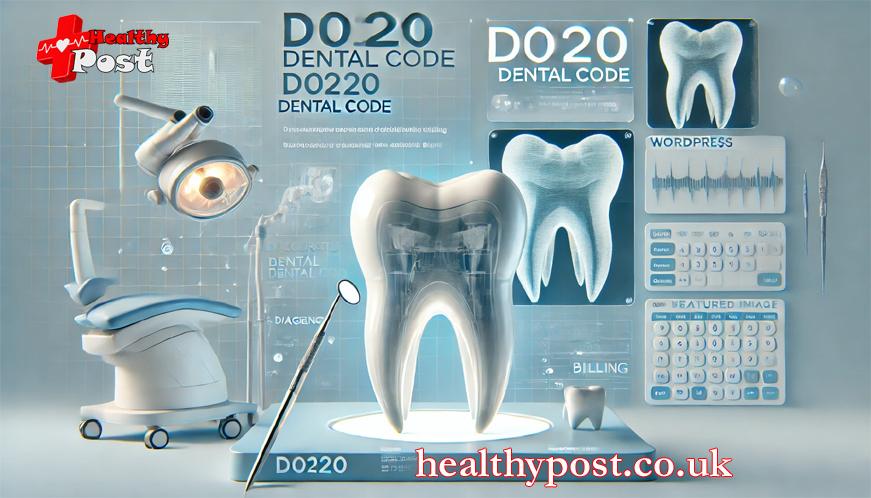
The d0220 dental code is essential for understanding dental billing and insurance claims. This code covers periapical first radiographic images, which help dentists diagnose underlying tooth problems. Knowing what this code means can help you avoid unexpected costs.
Dental codes play a crucial role in ensuring accurate billing and smooth insurance claims. Many patients don’t know what these codes mean, which can lead to confusion and surprise charges. By learning about the d0220 dental code, you can better understand your dental care expenses.
This article explains the d0220 dental code in detail. You will learn what it covers, how it affects your dental costs, and its importance in diagnosis. Understanding this code can help you make informed decisions about your dental health and expenses.
What is the D0220 Dental Code?
The D0220 dental code is used in dentistry to bill for a periapical first radiographic image. This type of X-ray helps dentists diagnose dental issues that are not visible during a regular examination. It focuses on a specific tooth and provides a detailed view of the root structure and surrounding bone.
Primary Use in Dental Practice
The D0220 dental code is commonly used when a patient experiences tooth pain or other symptoms that suggest hidden problems. Dentists rely on this X-ray to detect:
- Infections at the tooth root
- Fractures or cracks in the tooth
- Cavities beneath existing fillings
- Bone loss due to gum disease
This diagnostic tool helps dentists decide on the best treatment plan, such as root canals, extractions, or fillings.
Importance of Dental Codes
Dental codes, including the D0220 dental code, are part of the Current Dental Terminology (CDT) system. These codes standardize billing and ensure accurate communication between dental offices and insurance companies. Without proper coding, patients might face incorrect charges or delays in insurance claims.
Understanding the D0220 dental code helps patients:
- Know what procedures their insurance covers
- Avoid surprise dental costs
- Ensure transparency in dental billing
By being aware of these codes, you can take better control of your dental expenses and treatments. In the next sections, we will explore how this code affects insurance coverage and what you can do to manage costs effectively.

Importance of the D0220 Dental Code
The D0220 dental code plays a crucial role in dental care, insurance processing, and record-keeping. Understanding this code can help patients make informed decisions about their treatment and expenses.
Why the D0220 Dental Code is Essential for Patients
The D0220 dental code is used for a periapical first radiographic image, which helps dentists diagnose hidden dental problems. This X-ray is often necessary when a patient experiences pain, swelling, or other symptoms. It allows dentists to detect infections, bone loss, or deep cavities. Without this diagnostic tool, serious dental issues might go unnoticed, leading to more complicated and costly treatments later.
Patients benefit from understanding this code because it helps them:
- Know what procedures are being billed
- Avoid unexpected costs
- Ensure their insurance covers the necessary procedures
Role in Dental Record-Keeping
Accurate dental records are essential for long-term oral health care. The D0220 dental code helps maintain precise documentation of a patient’s dental history. These records allow dentists to track changes in oral health over time and make informed treatment decisions. Proper record-keeping also benefits patients by ensuring continuity of care, even if they switch dentists.
Importance in Insurance Claims
Insurance companies use dental codes like D0220 to process claims efficiently. This code ensures that patients receive the correct reimbursement for covered procedures. If a claim is submitted without the proper code, it may be delayed or denied. By understanding this code, patients can verify their dental bills and avoid overcharges.
In summary, the D0220 dental code is vital for accurate diagnosis, proper record-keeping, and smooth insurance claims. Knowing how it works can help patients manage their dental care and expenses effectively.
How the D0220 Dental Code Impacts Patients
The D0220 dental code plays an essential role in patient care, billing accuracy, and communication between dentists and patients. Understanding this code helps patients navigate dental treatments and insurance claims more effectively.
Benefits for Patients
The D0220 dental code is used for a periapical first radiographic image, which helps dentists detect hidden dental issues. This X-ray is crucial for diagnosing infections, fractures, and deep cavities. By identifying these problems early, patients can receive timely treatment and avoid costly dental procedures in the future.
Key benefits of the D0220 dental code include:
- Early detection of serious dental conditions
- Reduced risk of severe tooth damage or loss
- Clear understanding of necessary treatments
- Fewer unexpected dental costs
Ensuring Accurate Billing
Dental billing can be confusing, but the D0220 dental code helps standardize charges for X-ray procedures. Each dental service has a specific code, ensuring patients are billed correctly for the treatments they receive.
Using the D0220 dental code in billing helps:
- Prevent incorrect charges or duplicate billing
- Ensure insurance covers eligible procedures
- Make it easier for patients to understand their dental expenses
Promoting Transparent Communication with Dentists
Clear communication between dentists and patients is crucial for proper treatment planning. When dentists use the D0220 dental code, patients know exactly what procedure they are receiving and why it is necessary.
This transparency helps patients:
- Ask informed questions about their treatment
- Understand the importance of diagnostic X-rays
- Make better financial and health-related decisions
By knowing how the D0220 dental code impacts their care, patients can feel more confident about their dental treatments and expenses.
How the D0220 Dental Code Impacts Dentists
The D0220 dental code is essential for dental professionals, helping them diagnose oral health issues, provide accurate treatments, and maintain proper records. This code ensures efficiency in patient care and billing.
Benefits for Dental Professionals
Dentists rely on the D0220 dental code to document and bill for periapical first radiographic images. These X-rays are critical for diagnosing underlying dental problems. Using standardized codes improves workflow, prevents billing errors, and ensures smoother interactions with insurance providers.
Key benefits for dentists include:
- Faster and more accurate insurance processing
- Better patient trust through clear billing and treatment explanations
- Improved efficiency in managing dental records and claims
Aiding in Accurate Diagnosis and Treatment
The D0220 dental code is assigned to a specific type of X-ray that helps dentists examine the root structure, bone health, and hidden dental issues. This diagnostic tool is vital for detecting:
- Infections at the tooth root
- Fractures or cracks in teeth
- Bone loss due to periodontal disease
- Deep cavities under existing fillings
With the information provided by these X-rays, dentists can develop precise treatment plans. Early detection leads to better outcomes and prevents the need for more invasive procedures.
Maintaining Standardized Records
Dental professionals must maintain detailed and accurate patient records. The D0220 dental code helps ensure consistency in documentation, making it easier to track a patient’s oral health history. Standardized records allow seamless communication between different dental providers if a patient needs specialist care.
By using the D0220 dental code, dentists can improve patient care, streamline administrative tasks, and enhance communication with both patients and insurance companies. This ultimately leads to better dental practice management and improved patient satisfaction.
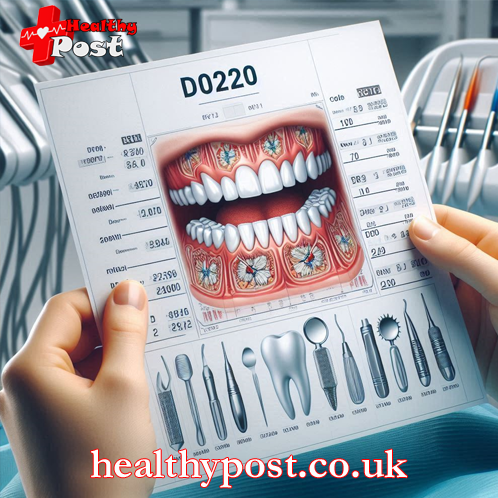
How the D0220 Dental Code Impacts Insurance
The D0220 dental code plays a crucial role in dental insurance processing. It ensures accurate claim submissions, reduces billing disputes, and helps patients receive fair reimbursements.
Role in Processing Insurance Claims
Insurance companies use dental codes like D0220 to identify specific procedures and determine coverage eligibility. When a dentist submits a claim, the D0220 dental code ensures that the procedure is clearly documented. This helps insurance providers process claims efficiently, reducing delays in reimbursements.
Proper coding also:
- Ensures correct billing for necessary procedures
- Prevents claim denials due to coding errors
- Helps patients understand their insurance benefits
Avoiding Insurance Disputes
Incorrect or missing codes can lead to claim rejections or disputes. The D0220 dental code eliminates confusion by providing a standardized description of the procedure. When insurance claims match the procedure performed, there is less chance of disagreements between patients, dentists, and insurance companies.
This code helps:
- Reduce delays caused by claim corrections
- Prevent unnecessary out-of-pocket expenses for patients
- Improve trust between dental offices and insurance providers
Ensuring Fair Reimbursement
Using the D0220 dental code ensures that both dentists and patients receive fair compensation. Insurance companies rely on these codes to determine payment amounts. When properly documented, the claim is processed accurately, and the dentist receives appropriate reimbursement without financial losses.
By understanding the D0220 dental code, patients can verify their insurance coverage, avoid billing errors, and ensure they receive the benefits they are entitled to.
Understanding the Procedure Involved
The D0220 dental code refers to a periapical first radiographic image, a type of dental X-ray used to examine the root structure and surrounding bone of a specific tooth. This procedure is crucial for diagnosing infections, fractures, and other underlying dental issues.
Steps Involved in the Process
- Patient Preparation – The dentist or dental assistant positions the patient in the dental chair and provides a lead apron to protect against radiation exposure.
- Sensor or Film Placement – A small digital sensor or traditional X-ray film is placed inside the patient’s mouth, near the tooth being examined.
- Image Capture – The dentist or technician carefully aligns the X-ray machine and takes the periapical image, ensuring a clear view of the tooth root and surrounding structures.
- Image Processing – If using digital radiography, the image appears instantly on a computer screen. If traditional film is used, it is developed in a few minutes.
- Diagnosis and Review – The dentist analyzes the X-ray to identify any abnormalities, such as infections, bone loss, or hidden cavities. The results help determine the appropriate treatment plan.
Equipment and Techniques Used
- Digital X-ray sensors for immediate image viewing
- Traditional film X-ray systems (less common today)
- Lead aprons and thyroid collars for radiation protection
- Positioning devices to ensure accurate imaging
The D0220 dental code represents a simple yet essential diagnostic procedure, helping dentists detect and treat dental issues early.
Common Misconceptions About the D0220 Dental Code
Many patients misunderstand the D0220 dental code, leading to confusion about its purpose and costs. Below are some common myths and the facts that debunk them.
Myth 1: The D0220 Dental Code Covers a Full Mouth X-ray
Fact: The D0220 dental code applies only to a single periapical first radiographic image. It focuses on a specific tooth, not the entire mouth. Full-mouth X-rays require different codes.
Myth 2: This X-ray Is Always Covered by Insurance
Fact: While many insurance plans cover the D0220 dental code, coverage depends on the policy. Some plans may limit the number of X-rays allowed per year or require co-pays.
Myth 3: The X-ray Is Unnecessary for Minor Tooth Pain
Fact: A periapical X-ray is crucial for diagnosing hidden problems like infections, fractures, or deep cavities. Even mild pain can indicate serious dental issues.
Myth 4: The Procedure Exposes Patients to High Radiation
Fact: Modern digital X-rays emit very low radiation and are considered safe. Protective lead aprons further minimize exposure.
Why Understanding the Code Matters
Knowing the D0220 dental code helps patients:
- Avoid billing surprises by knowing what the procedure covers
- Ensure proper insurance claims and reduce claim denials
- Make informed decisions about necessary dental treatments
Understanding this code leads to better financial and oral health management.
The D0220 dental code is essential for both patients and dental professionals. It refers to a periapical first radiographic image, which helps diagnose hidden dental issues such as infections, fractures, and bone loss. Understanding this code allows patients to navigate dental billing, insurance claims, and treatment plans more effectively.
Dental codes like D0220 ensure accurate billing, prevent insurance disputes, and promote transparent communication between patients and dentists. Knowing what this code covers helps patients avoid unexpected costs and receive the necessary dental care. Dentists also benefit from standardized records and efficient insurance processing, ensuring smooth workflow and better patient care.
It is crucial for patients to understand their dental codes and insurance coverage. By knowing the D0220 dental code, they can make informed decisions about their oral health and financial responsibilities. If you have any questions about this procedure, consult your dentist for detailed explanations and guidance.
Call to Action
If you found this article helpful, share it with friends and family to spread awareness about dental codes and their impact on dental care.
For a better understanding of your dental health, schedule an appointment with your dentist to discuss your treatment needs and insurance coverage.
For further reading, check with your dental insurance provider or visit trusted dental health websites for more information on dental codes and billing practices.

1 Comment
Pingback: Dental Bone Graft Code: Complete CDT Guide & Billing