

Close Menu

    Subscribe to Updates

    Get the latest creative news from FooBar about art, design and business.

    What's Hot

    Osseous Surgery: Procedure, Recovery, and What to Expect

    August 4, 2026

    Dental Bone Graft Code: Complete CDT Guide & Billing Breakdown

    August 3, 2026

    Caffeine Effects on Heart Rate: How Coffee Impacts Your Cardiac Health

    July 30, 2026
    Facebook X (Twitter) Instagram
    • About Us
    • Contact Us
    • Our Medical Review Board & Expert Contributors
    • Cancer
    • Cardiology
    • Dental
    • General Disease
    • Gyne
    • Healthy food
    • Medicine
    • Orthopedics
    • Skin
    Button
    Home » What is the most obvious sign of myocardial ischemia?
    Cardiology

    What is the most obvious sign of myocardial ischemia?

    AdminBy AdminJanuary 6, 2025Updated:May 18, 2026No Comments4 Mins Read
    Share Facebook Twitter Pinterest LinkedIn Tumblr Reddit Telegram Email
    myocardial ischemia
    What is the most obvious sign of myocardial ischemia?
    Share
    Facebook Twitter LinkedIn Pinterest Email

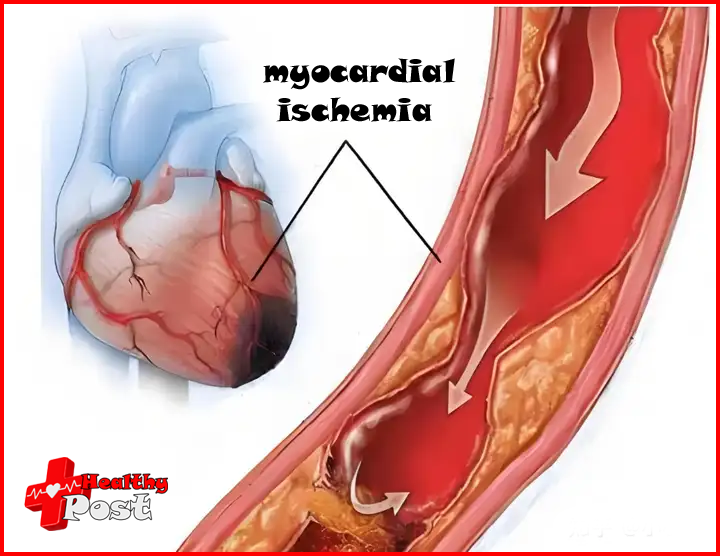
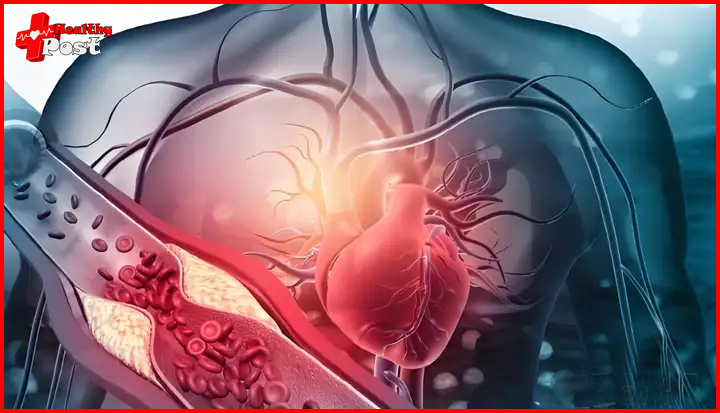
    Myocardial ischemia is a pathophysiological state cause by insufficient blood and oxygen supply to the heart due to coronary artery stenosis, spasm or embolism.
    Heart Attack
    Heart Attack

    When the coronary arteries are diseased, the blood supply to the myocardium may be drastically reduced, or when the heart beats faster, causing the myocardial oxygen consumption to increase, if the coronary arteries cannot provide enough blood to the myocardium for oxygen supply, myocardial ischemia will occur.The root cause of myocardial ischemia is that

    The blood and oxygen supply to the myocardium by the coronary arteries cannot meet the myocardial demand for oxygen. The specific causes can be divide into two categories:

    insufficient coronary blood supply and abnormal increase in myocardial oxygen consumption, generally the main cause is insufficient blood supply. Common causes include

    coronary heart disease, syndrome X, coronary artery spasm, myocardial bridge, arrhythmia, etc.
    myocardial ischemia
    myocardial ischemia

    The clinical symptoms of myocardial ischemia are varied and may vary from individual to individual.

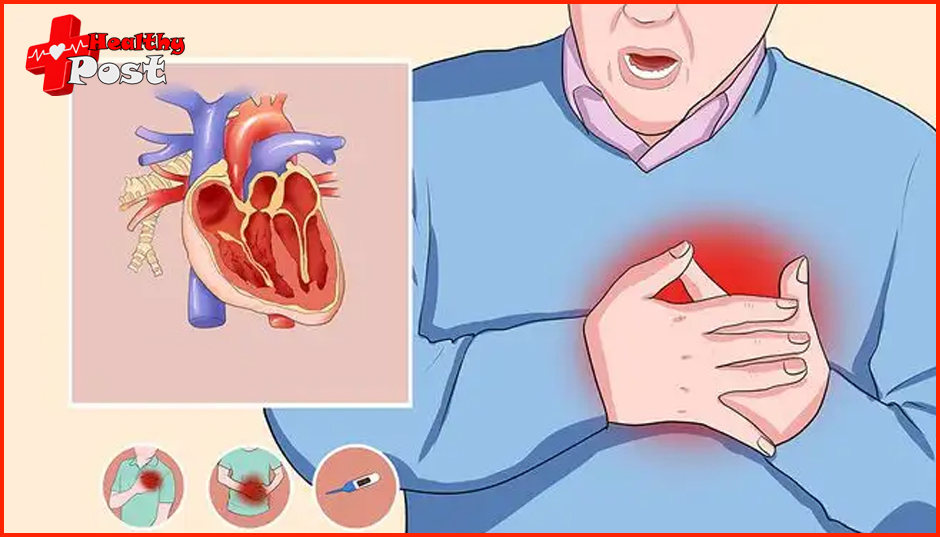
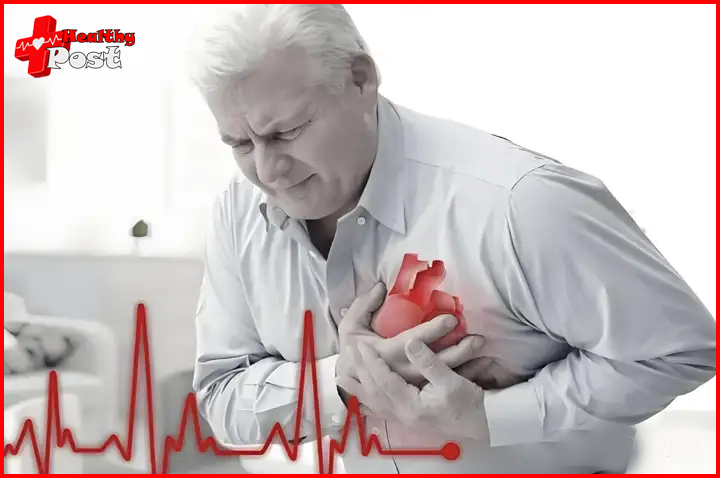
    1. Chest pain: The most common symptom of myocardial ischemia is chest pain, which usually manifests as squeezing, tightening or stuffy pain, located behind the sternum or in the precordial area. The pain may radiate to the left shoulder and left upper arm, sometimes affecting most of the precordial area, and even the ring finger and little finger may have radiating pain. The pain usually lasts for 3-5 minutes and can be relieve after resting or taking nitroglycerin tablets. Chest pain may be accompanied by sweating and sometimes a fear of dying.

    2. Chest tightness and shortness of breath: Patients with myocardial ischemia may feel chest tightness, palpitations, and shortness of breath, especially during physical activity or fatigue. These symptoms usually resolve on their own after rest.
    3. Pain in other parts of the body: Patients with myocardial ischemia may experience exercise-related headaches, toothaches, leg pains, etc., or pain in other parts of the body, such as the lower sternum, left precordial area, or upper abdomen.

    4. Other symptoms: Patients with myocardial ischemia may also experience other symptoms, such as sudden bradycardia, low blood pressure or syncope .

    The main goal of myocardial ischemia treatment is to improve myocardial blood supply and reduce myocardial oxygen consumption. Drug therapy is usually adopted, such as drugs to improve myocardial ischemia, relieve angina pectoris , and prevent myocardial infarction and death . For myocardial ischemia of different causes, interventional treatment or surgical treatment can be performed if the condition is serious. Prevention of myocardial ischemia is mainly to avoid the risk factors that cause myocardial ischemia, such as cold, excessive exercise, etc., improve bad living habits, and actively control the progression of coronary heart disease and related chronic diseases.

    Drug recommendations for myocardial ischemia mainly include the following categories:

    1. Antiplatelet drugs : such as aspirin, ticagrelor, clopidogrel, etc. These drugs can inhibit platelet aggregation, prevent thrombosis, and thus relieve myocardial ischemia.
    2. Anti-myocardial ischemia drugs : such as nitroglycerin, isosorbide mononitrate, metoprolol, diltiazem , etc. These drugs can dilate coronary arteries, increase myocardial blood supply, reduce myocardial oxygen consumption, and thus improve myocardial ischemia symptoms.
    3. Lipid-lowering drugs : such as statins, atorvastatin, rosuvastatin , etc. These drugs can lower blood lipids, stabilize plaques, prevent plaque detachment and formation of blood clots, thereby delaying the progression of myocardial ischemia.
    4. Angiotensin converting enzyme inhibitors (ACEI) or angiotensin receptor blockers (ARB): such as benazepril, enalapril, telmisartan, valsartan , etc. These drugs can dilate blood vessels, lower blood pressure, reduce the burden on the heart, and thus improve myocardial ischemia.

    The above drug recommendations are for reference only. Specific drug use should be based on the patient’s specific situation and the doctor’s advice.
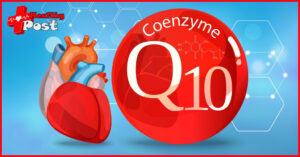
    coenzyme Q10
    The real effect of Coenzyme Q10, the most detailed introduction
    Editorial Notice & Disclaimer: All material published on this platform is curated strictly for general educational and healthcare informational purposes. Content should not be interpreted as professional medical advice, official diagnosis, or a definitive treatment protocol. We strongly advise consulting a licensed physician or qualified healthcare provider regarding any specific medical concerns or health choices.

    Share. Facebook Twitter Pinterest LinkedIn Tumblr Email
    Previous Article69 pose risks for health, be careful to open your mouth
    Next Article What is HMPV, symptoms, prevention,treatment

    Related Posts

    Cardiology

    Caffeine Effects on Heart Rate: How Coffee Impacts Your Cardiac Health

    July 30, 2026
    Patient Education

    Couples Therapy: What to Expect in Your First Session (A Clinical Guide)

    July 20, 2026
    Patient Education

    How Soon Do Doctors Receive CT Scan Results in the ER? A Medical Guide

    July 14, 2026
    Add A Comment
    Leave A Reply Cancel Reply

    You must be logged in to post a comment.

    Recent Posts
    • Osseous Surgery: Procedure, Recovery, and What to Expect
    • Dental Bone Graft Code: Complete CDT Guide & Billing Breakdown
    • Caffeine Effects on Heart Rate: How Coffee Impacts Your Cardiac Health
    • Can You Have a Period When You Are Pregnant? What to Know
    • How Long Does It Take for Eyelashes to Grow Back? Complete Growth Guide
    Top Posts

    What are the effects of smoking on the lungs?

    March 7, 2024

    What are the causes of headaches? How to prevent it in daily life?

    April 11, 2024

    Cardiovascular Disease, can do these 4 things, and blood vessels can stay young.

    April 18, 2024
    Latest Reviews
    Most Popular

    Osseous Surgery: Procedure, Recovery, and What to Expect

    August 4, 2026

    Dental Bone Graft Code: Complete CDT Guide & Billing Breakdown

    August 3, 2026

    Caffeine Effects on Heart Rate: How Coffee Impacts Your Cardiac Health

    July 30, 2026

    Can You Have a Period When You Are Pregnant? What to Know

    July 29, 2026

    How Long Does It Take for Eyelashes to Grow Back? Complete Growth Guide

    July 28, 2026

    Our Medical Board

    Our health platform content is written, reviewed, and vetted by a dedicated board of licensed clinicians and specialists to guarantee clinical accuracy.

    • Dr. Rachana Bhoite
      Dr. Rachana Bhoite Nutrition Science Dr. Reddy's Labs ↗
    • Dr. Priyanka Agarwal
      Dr. Priyanka Agarwal Dermatologist Dakai Skin Clinic ↗
    • Dr. Himanshu Gupta
      Dr. Himanshu Gupta Orthopedics & Robotics Amicare Hospital ↗
    • Dr. Michelle Uzor
      Dr. Michelle Uzor OB-GYN Southern Crescent ↗
    • Dr. Mohanned Alghamdi
      Dr. Mohanned Alghamdi Esthetic & Restorative UniDents Clinic ↗
    • Dr. Neha Sood
      Dr. Neha Sood Otolaryngologist (ENT) BLK-Max / Sir Ganga Ram ↗
    • Dr. Sarita Rao
      Dr. Sarita Rao Interventional Cardiology Apollo Hospitals ↗
    Our Picks

    Osseous Surgery: Procedure, Recovery, and What to Expect

    August 4, 2026

    Dental Bone Graft Code: Complete CDT Guide & Billing Breakdown

    August 3, 2026

    Caffeine Effects on Heart Rate: How Coffee Impacts Your Cardiac Health

    July 30, 2026

    Can You Have a Period When You Are Pregnant? What to Know

    July 29, 2026

    How Long Does It Take for Eyelashes to Grow Back? Complete Growth Guide

    July 28, 2026
    Facebook X (Twitter) Instagram Pinterest
    • About Us
    • Contact Us
    • Disclaimer
    • Our Medical Review Board & Expert Contributors
    • Terms and Conditions
    • Write for Us
    © 2026 Healthy Post. All Rights Reserved.

    Type above and press Enter to search. Press Esc to cancel.