

🩺 Medical Disclaimer
The heart health and dietary information provided in this article is authored by Dr. Sarita Rao (Interventional Cardiology, Apollo Hospitals) for educational and informational purposes only. This content is not intended to be a substitute for professional medical advice, clinical diagnosis, or personalized treatment. Always seek the direct advice of your cardiologist, physician, or other qualified healthcare provider with any questions you may have regarding a medical condition, cardiovascular risk, or before making significant changes to your diet or lifestyle. Never disregard professional medical advice or delay in seeking it because of something you have read on this website.

🏥 Medical Review Board Member
Dr. Sarita Rao, FACC, FESC
Senior Interventional Cardiologist | Apollo Hospitals (Indore, India)
Dr. Sarita Rao, FACC, FESC, is a renowned Senior Interventional Cardiologist with over 25 years of distinguished clinical experience in advanced cardiac sciences. Widely recognized as the first female Interventional Cardiologist in Central India, her commitment to evidence-based medicine ensures the highest standards of heart health tracking, diagnostic accuracy, and patient safety.
If you are looking for a cardiologist recommended diet for heart health, the message from major heart organizations is increasingly consistent: eat more whole, minimally processed foods, and less sodium, added sugar, and saturated fat. In our clinical review of patient histories and nutrition patterns, we see the same theme again and again—small, steady changes often matter more than dramatic overhauls. The best heart healthy diet recommended by cardiologists is not a fad. It is a practical eating pattern built around balance, consistency, and long-term cardiovascular disease prevention.
This matters because heart disease risk factors rarely appear overnight. They build through years of blood pressure strain, cholesterol imbalance, inflammation, weight gain, and unhealthy food habits. The good news is that food choices can influence several of those risk factors at once. In this article, we break down nine core principles, explain what foods do cardiologists tell you to avoid, and show what a realistic day of eating may look like for people who want better blood pressure management and high cholesterol reduction.
1. Portion control comes first
A heart-healthy plate can still become a high-calorie plate if portions are too large. That is especially true for nuts, oils, grains, and restaurant meals. Many patients assume “healthy” automatically means “unlimited.” It does not.
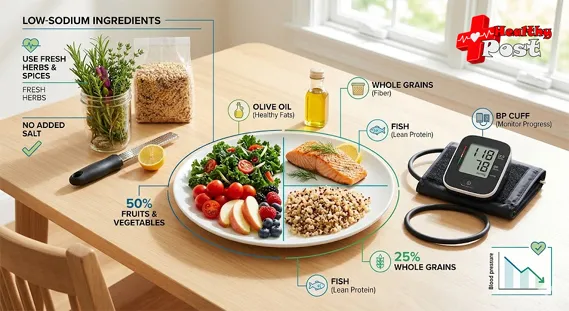
Cardiologists often emphasize portion control tips because weight gain can raise blood pressure and worsen cholesterol over time. A simple method is to use a smaller plate and fill half with vegetables, one quarter with lean protein, and one quarter with whole grains.
Practical examples:
- Measure nuts instead of eating from the bag.
- Share restaurant entrées.
- Avoid “supersized” sides, even when the main dish seems healthy.
2. Build meals around fruits and vegetables
Fruits and vegetables are central to the cardiologist recommended diet for heart health because they provide fiber, potassium, antioxidants, and volume without many calories. Most studies agree that diets rich in produce are associated with better cardiovascular disease prevention.
Aim for variety. Leafy greens, berries, tomatoes, broccoli, cauliflower, peppers, and citrus fruits each offer different nutrients. A colorful plate is usually a more nutrient dense meal.
A few smart choices:
- Spinach and kale for nitrates and folate
- Berries for polyphenols
- Cruciferous vegetables for fiber and protective plant compounds
Limit heavy preparation methods. Cream sauces, butter, and deep frying can cancel out the benefits.
3. Choose whole grains over refined grains
Whole grains help support cholesterol control and steady blood sugar. Oats, brown rice, quinoa, barley, and whole-wheat bread are better choices than white bread, pastries, and many boxed cereals.
This is one reason the best heart healthy diet recommended by cardiologists often overlaps with the Mediterranean diet food list and DASH-style eating. Both patterns favor grains that still contain the bran and germ, which means more fiber and more lasting fullness.
Whole grains may help with:
- High cholesterol reduction
- Better satiety
- More stable energy levels
For many people, breakfast is the easiest place to start. A bowl of oatmeal with berries is one of the most common answers to what do cardiologists eat for breakfast.
4. Replace unhealthy fats with better ones
Not all fats are equal. Saturated fats and trans fat risks remain a major concern in heart care. They can raise LDL cholesterol, which is linked to artery plaque buildup. Most cardiologists recommend limiting butter, lard, fatty cuts of meat, fried fast foods, and packaged snacks with hydrogenated oils.
Instead, focus on unsaturated fats:
- Olive oil
- Avocados
- Walnuts
- Almonds
- Seeds
Omega-3-rich fish, such as salmon and sardines, are often recommended because they support heart rhythm and may lower triglycerides. This is one of the reasons fish appears so often in a cardiologist recommended diet for heart health.
5. Prioritize lean protein sources
Protein matters for muscle, satiety, and repair. The goal is not to eliminate protein. It is to choose better sources more often.
Cardiologists usually favor:
- Skinless poultry
- Beans and lentils
- Soy foods like tofu and edamame
- Low-fat yogurt
- Fish
Processed meats deserve special caution. Bacon, sausage, deli meat, and hot dogs are common answers to what foods do cardiologists tell you to avoid because they often combine high sodium, saturated fat, and preservatives.
In one typical clinic example, a patient may switch from a bacon sandwich to Greek yogurt with berries and walnuts. That one change can lower sodium and improve breakfast quality without feeling restrictive.
6. Keep sodium under control
For many people, sodium is the hidden problem. It is not only table salt. It is also found in canned soups, frozen meals, sauces, cured meats, and restaurant food.
The cardiovascular diet guidelines for high blood pressure usually stress lowering sodium as a first-line step. Many authorities recommend staying in the 1,500–2,300 mg/day range, depending on individual risk and clinician guidance.
Helpful swaps:
- Use herbs, garlic, lemon, and spices instead of salt-heavy seasoning mixes
- Choose low-sodium broth and canned beans
- Rinse canned vegetables and beans
- Ask for sauces on the side when eating out
If you have hypertension, sodium reduction may support blood pressure management more than many people expect.
7. Limit added sugar and sugary drinks
Added sugar is not only a weight issue. It can also worsen triglycerides, contribute to insulin resistance, and make nutrient dense meals harder to maintain.
Sugary drinks, desserts, sweetened coffee drinks, and packaged snack cakes are easy to overconsume. They do not provide much satiety. That is why they are frequently listed among the foods cardiologists advise limiting.
A better pattern:
- Water, sparkling water, or unsweetened tea
- Fruit for sweetness instead of dessert most days
- Plain yogurt with fruit instead of flavored yogurt with heavy sugar
This is one reason the cardiologist recommended diet for heart health focuses on pattern, not perfection.
8. Reduce ultra-processed foods
Ultra-processed foods are convenient, but they tend to be high in sodium, added sugar, and unhealthy fats while being low in fiber. Fast food, packaged pastries, chips, frozen pizza, and many ready-to-eat meals fall into this category.
Most studies agree that eating more whole foods and fewer ultra-processed foods supports cardiovascular disease prevention. The pattern also fits the best heart healthy diet recommended by cardiologists because it naturally lowers exposure to excess sodium and trans fat risks.
A realistic strategy is not to ban these foods forever. It is to make them occasional, not routine.
Try this:
- Cook simple meals twice a week
- Keep a few easy staples on hand: oats, canned beans, frozen vegetables, salmon, brown rice
- Build meals from recognizable ingredients
9. Moderate alcohol, or skip it
Alcohol advice should be individualized. If you do not drink, most clinicians would not recommend starting for heart protection. If you do drink, moderation is key.
Too much alcohol can raise blood pressure, add calories, and interfere with medications. In some patients, it may worsen irregular heartbeat symptoms. This matters especially for anyone also reading about Difference Between Anxiety and Heart Palpitations or Why Does My Heart Beat Fast When Lying Down, because symptoms can overlap and should be assessed carefully.
What cardiologists commonly recommend eating
Below is a simple snapshot of the top 10 cardiologist approved foods that fit most heart-healthy patterns.
| Food | Why it helps | Easy way to use it |
|---|---|---|
| Salmon | Omega-3 fats | Bake with lemon and herbs |
| Sardines | Omega-3 fats, calcium | Add to whole-grain toast |
| Oats | Soluble fiber | Breakfast with berries |
| Walnuts | Healthy fats | Small handful as a snack |
| Almonds | Healthy fats, fiber | Mix into yogurt |
| Leafy greens | Antioxidants, potassium | Salad or sautéed side |
| Berries | Polyphenols | Use in oatmeal or yogurt |
| Beans and lentils | Fiber, plant protein | Soups, salads, bowls |
| Avocados | Monounsaturated fats | Spread on toast |
| Olive oil | Unsaturated fat | Use for cooking or dressings |
These foods also fit well within the Mediterranean diet food list, which remains one of the most studied eating patterns for heart health.
A practical day of eating
Here is how a realistic day might look:
- Breakfast: oatmeal with berries and flaxseed
- Lunch: salad with beans, olive oil dressing, and whole-grain bread
- Snack: unsalted almonds and an apple
- Dinner: grilled salmon, quinoa, and roasted vegetables
- Dessert: fruit or plain yogurt
This is not rigid. It is a template. People with diabetes, kidney disease, or complex medication regimens may need adjustments, so clinical guidance matters. For those managing prescriptions, it is also wise to understand How to take high blood pressure medication correctly, since diet and medication often work together.
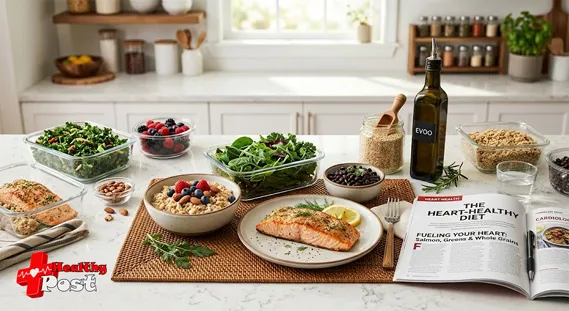
What a cardiologist-approved breakfast can look like
Many patients ask what do cardiologists eat for breakfast. The answer is often simpler than expected.
Good options include:
- Oatmeal with berries and chia seeds
- Whole-grain toast with avocado
- Low-fat yogurt with walnuts and fruit
- Egg whites or boiled eggs with spinach
These meals are filling, quick, and consistent with a cardiologist recommended diet for heart health. They also avoid the salt and sugar spikes that come with pastries and processed breakfast sandwiches.
Cardiovascular diet guidelines for high blood pressure
If blood pressure is a concern, food choices become even more important. The cardiovascular diet guidelines for high blood pressure usually center on the DASH approach, which emphasizes:
- Fruits and vegetables
- Low-fat dairy
- Whole grains
- Beans, nuts, and seeds
- Reduced sodium
- Less saturated fat
Potassium-rich foods such as bananas, sweet potatoes, beans, spinach, and yogurt can support blood pressure management when appropriate for the individual. People with kidney disease should ask their clinician before increasing potassium significantly.
5 quick FAQs
1. Is the Mediterranean diet the same as a heart diet?
Not exactly, but it overlaps heavily with the best heart healthy diet recommended by cardiologists. Both emphasize olive oil, fish, vegetables, legumes, and whole grains.
2. Are eggs allowed?
Yes, for many people. The larger issue is overall pattern, not one food alone. If you have high cholesterol or diabetes, ask your clinician about portion and frequency.
3. What foods should I avoid most often?
Common answers to what foods do cardiologists tell you to avoid include processed meats, fried foods, sugary drinks, and high-sodium packaged meals.
4. Can I find a cardiologist diet plan pdf online?
Yes, some hospitals and health systems offer a cardiologist diet plan pdf or heart-healthy handout. Look for resources from the AHA, NHS, CDC, or major academic medical centers.
5. Do I need to cut out all fat?
No. Healthy fats are important. The key is avoiding trans fats and limiting saturated fat while using unsaturated fats more often.
6. What matters more: diet or medication?
Both matter. For some people, medication is essential. Diet adds another layer of protection and can improve outcomes when used consistently.
Conclusion
A cardiologist recommended diet for heart health is not about strict rules or perfect meals. It is about a pattern you can repeat. Eat more plants. Choose whole grains. Use healthy fats. Keep sodium and added sugar in check. Limit ultra-processed foods. Those habits align with the best heart healthy diet recommended by cardiologists and support cardiovascular disease prevention over time.
If you are starting small, that is enough. Swap one breakfast, one lunch, or one snack this week. If you already manage hypertension or cholesterol, ask your clinician how these changes fit with your medicines and your personal risk profile. That is where lasting progress usually begins.
Related topics on this site you may also find helpful include Difference Between Anxiety and Heart Palpitations, Why Does My Heart Beat Fast When Lying Down, Shocking Risks of Coronary Stent Surgery, and How to take high blood pressure medication.
References
- American Heart Association: https://www.heart.org/
- CDC Heart Disease Prevention: https://www.cdc.gov/heartdisease/
- NHS Eat well: https://www.nhs.uk/live-well/eat-well/
4 Comments
Pingback: How Do You Know If a Heart Stent Is Blocked Again? Warning Signs -
Pingback: Caffeine Effects on Heart Rate: How Coffee Impacts Your Cardiac Health
Pingback: Kachi Ghani Oil: Benefits, Uses, Nutrition & Safety
Pingback: Is Ketchup Bad for You? 7 Health Concerns to Know