


Medical Disclaimer: This article has been written by Dr. Neha Sood (Otolaryngologist) for informational and educational purposes only. It is not intended to be a substitute for professional medical advice, diagnosis, or treatment.
Always seek the advice of your physician or other qualified health provider with any questions you may have regarding a medical condition. Never disregard professional medical advice or delay in seeking it because of something you have read in this article.

🏥 Medical Review Board Member & Author
Dr. Neha Sood
Otolaryngologist | Cochlear Implant & Phonosurgeon | BLK-Max Super Speciality Hospital & Sir Ganga Ram Hospital (New Delhi)
Dr. Neha Sood is a highly accomplished Otolaryngologist, Cochlear Implant Surgeon, and Phonosurgeon based in New Delhi, India. With prestigious clinical affiliations at BLK-Max Super Speciality Hospital and Sir Ganga Ram Hospital, she specializes in advanced hearing restoration, voice disorders, and comprehensive ENT care. Dr. Sood is dedicated to translating complex surgical insights and otolaryngological breakthroughs into clear, evidence-based guidance to ensure the highest standards of patient education and medical accuracy.
“69 pose” is a special sexual behavior that refers to using the mouth, tongue, teeth or throat to touch the sexual partner’s genitals to obtain sexual pleasure. This behavior is common in both same-sex and heterosexual relationships.
Some people think that oral sex (69 pose) can bring direct sexual pleasure and increase the trust between partners; some people cannot accept it because the part where oral sex is performed is the place of excretion. However, there is no right or wrong in oral sex, it’s just that people have different preferences.
Oral sex (69 pose) is a normal and common sexual behavior and there is no need to view it with tinted glasses .
According to WedMD News in the United States, more and more young people are beginning to experiment with sexual behavior, and oral sex as a sexual method is also showing a trend of becoming younger. A survey by the US Centers for Disease Control and Prevention shows that more than half of adolescents and 90% of adults aged 22 to 24 have had oral sex experiences .
Oral sex (69 pose) is an intimate physical contact that also involves the exchange of body fluids. If there are wounds or unclean behavior, the transmission of sexually transmitted diseases may also occur.
1. How oral sex (69 pose) is related to STDs
1、HIV
In recent years, the high HIV infection rate in my country has caused great panic among the gay community and has gradually affected the group’s sexual behavior. In addition to the 10 behaviors, more and more people regard oral sex (69 pose) as a “safe substitute” for sexual behavior.
Although the probability of oral sex (69 pose) transmitting HIV is lower than that of 10 behaviors, it does not mean that there is no risk. A survey by the UK Public Health Laboratory Management Agency found that the proportion of people infected with HIV due to unprotected oral sex accounted for 8% .
As with other sexual behaviors, whether the active or passive party is HIV-infected, both parties are at risk of contracting HIV through the exchange of body fluids without protective measures.
If the active party has inflammation, wounds, ulcers or bleeding in the mouth, contact with semen or blood containing the virus may lead to infection.
The probability of HIV transmission through oral sex (69 pose) depends on the amount of HIV viral load in the body of the HIV-infected person and the oral health of the active party. In contrast, the active party has a higher risk of HIV infection than the passive party.
Without awareness of the risks of high-risk sexual behavior, HIV is difficult to detect in time, and the infected person may not have any symptoms for decades . Some people will experience general symptoms such as weight loss, fatigue, repeated fever, diarrhea, etc. As the disease worsens, it will be accompanied by persistent swollen lymph nodes throughout the body, obvious weight loss, and cause problems in various organs of the body.
Respiratory tract : long-term cough, chest pain, dyspnea, and blood in sputum in severe cases;
Digestive tract : decreased appetite, nausea, vomiting, diarrhea;
Nervous system : dizziness, headache, mental disorder, convulsion, dementia;
Skin and mucous membranes : herpes simplex, herpes zoster, inflammation and ulceration of oral and pharyngeal mucosa;
Tumors : Various malignant tumors may occur, or macules, papules and lumps may appear.
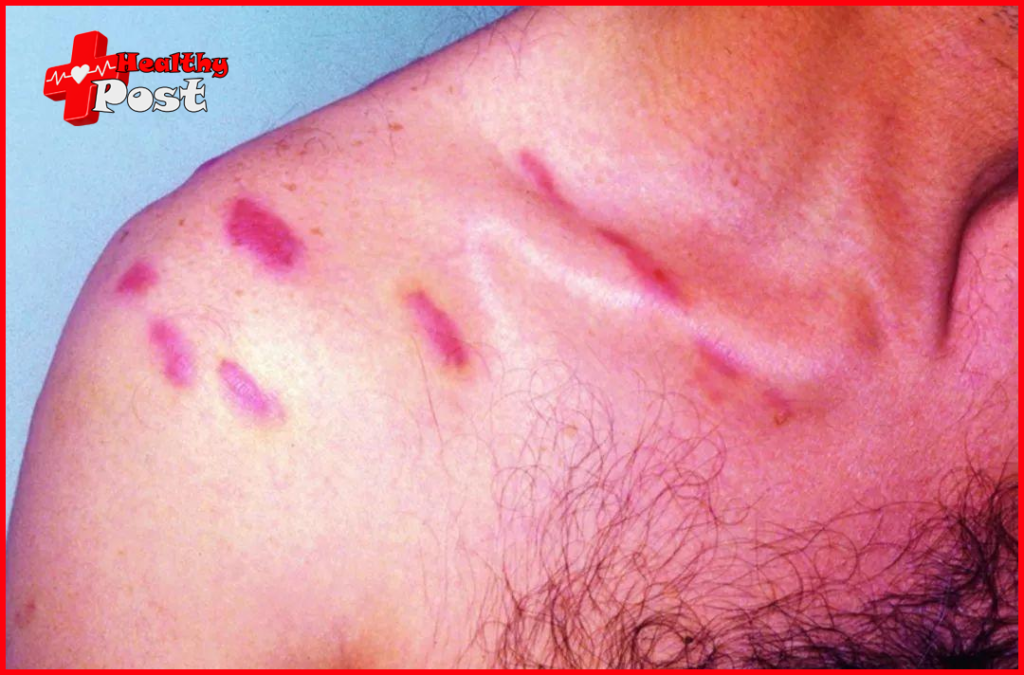
2. Syphilis
The pathogen of syphilis, Treponema pallidum, exists in large quantities in damaged skin and mucous membranes, and can be easily transmitted directly from person to person through oral sex (69 pose). In addition, there is also a risk of infection if one comes into contact with the underwear, razors, towels and other personal items of syphilis patients.
The symptoms of syphilis vary, depending on the stage of infection.
Primary syphilis : Hard chancres appear on the glans penis, coronal sulcus, anus and other parts of the body. They are painless and itchy, have clear boundaries and can heal on their own. The proximal lymph nodes are enlarged, feel hard, are not adherent, and do not ulcerate.
Secondary syphilis : fever, headache, swollen lymph nodes, and repeated attacks of syphilitic rash all over the body; mucosal damage in the mouth, tonsils, and throat, with exudate or grayish-white membrane; pain in bones and joints; syphilitic iritis, retinitis, etc.; a small number of patients experience hair loss.
Latent syphilis : There are no symptoms or signs and it can remain latent in the human body for life, but in the early stage of the latent period, contagious skin and mucous membrane lesions may recur.
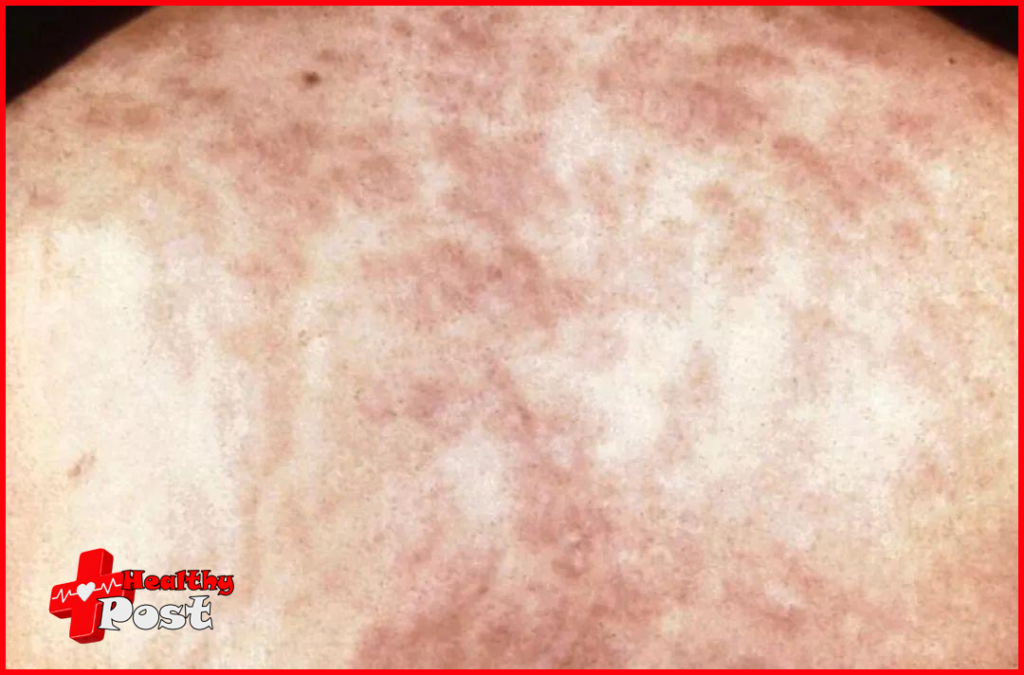
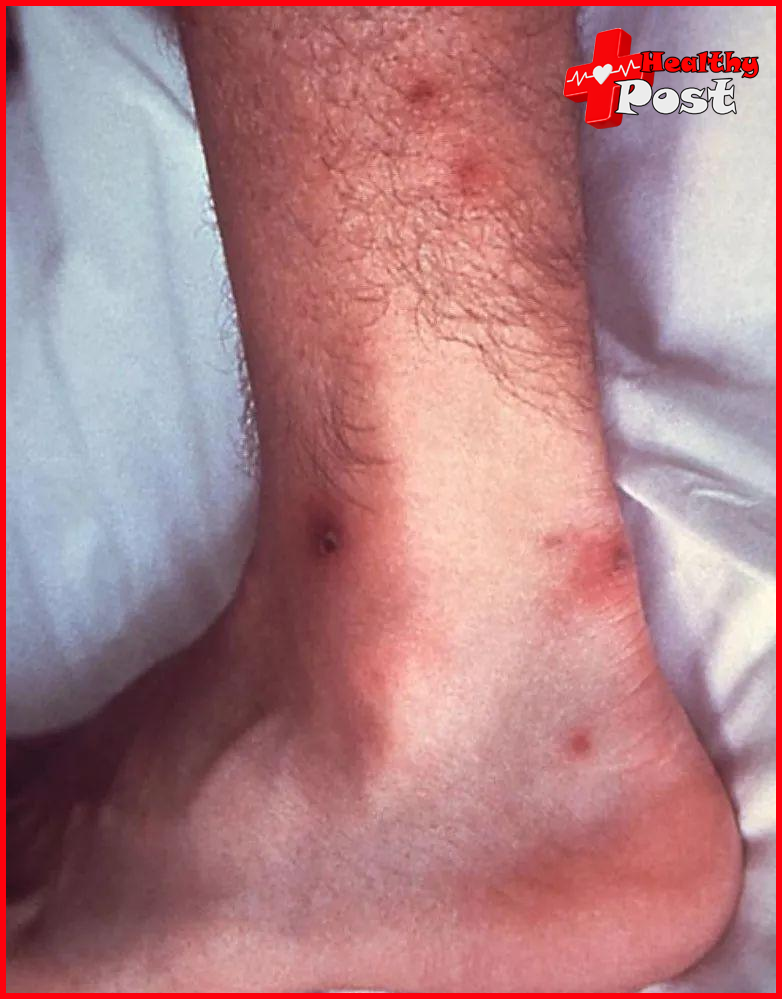
Tertiary syphilis : Syphilitic rashes form in multiple places on the scalp, shoulders, and back, deep ulcers form on the calves, perforating ulcers form on the tongue, etc.; syphilitic fibromas form, which are non-inflammatory and can disappear on their own; may cause viral heart disease; one in ten infected people will develop neurosyphilis, leading to paralytic dementia or tabes dorsalis.
3. Gonorrhea
The Gonorrhea is cause by infection with Neisseria gonorrhoeae, which multiply in the urinary system and are excret during sexual intercourse, thus infecting the mouth from the genitals through oral sex(69 pose).
Gonorrhea usually has an incubation period of 2 to 10 days, during which there may be no symptoms. After that, discomfort such as burning and itching, redness and swelling of the urethral opening, painful defecation, conjunctival congestion, migratory arthritis, etc. may occur, and it may even cause prostatitis, proctitis, herpes, and macules.
4. Genital warts
Genital warts are cause by human papillomavirus, which is divide into different subtypes. In recent years, the detection rates of HPV types 16 and 18 in the oral environment have continued to increase, so oral sex (69 pose) has also become a risk factor for oropharyngeal genital warts .
It can be directly transmit through clothing, bathtubs, toilet seats and other items, and many preventive measures cannot effectively block the spread. For the patient himself, if he touches the infected part and then touches other parts of the body, he will also cause self-inoculation and illness.
The average incubation period of this disease is about 3 months. After infection, the genitals and anus will have light red papules, which are nipple-like, cockscomb-like or cauliflower-like protrusions, and are prone to erosion and exudation. There is purulent secretion accumulation in the lesions, causing a foul odor. Some patients may experience foreign body sensation, pain, and itching.

5. Genital herpes
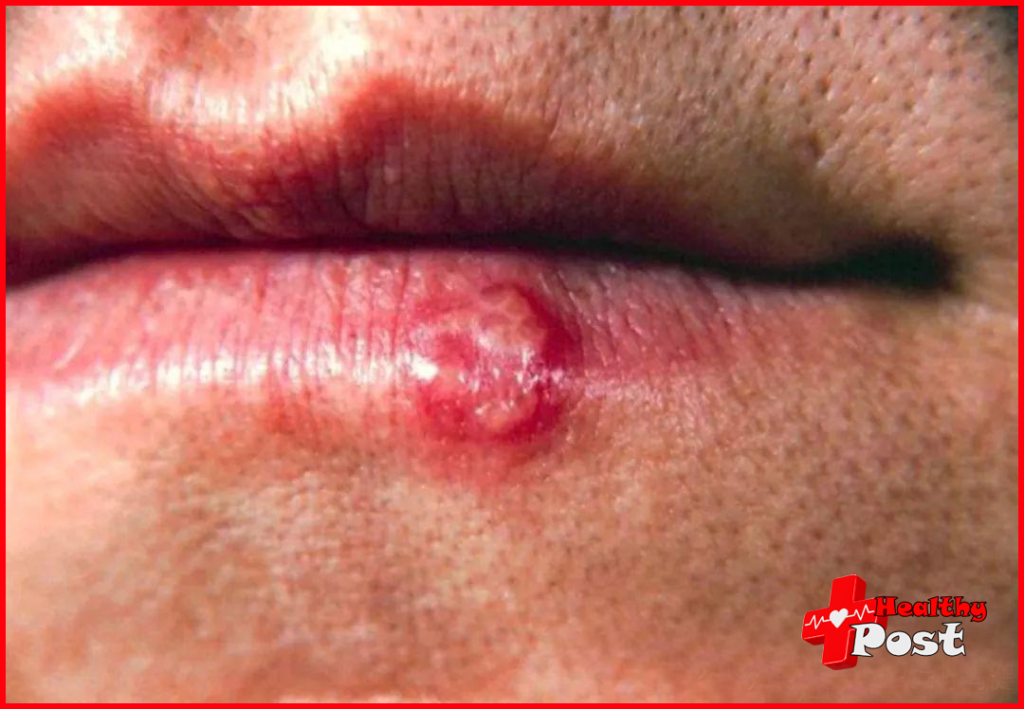
Many people have experienced blisters on their mouth due to heat. This is cause by infection with the HSV-1 virus , which is easily spread when the human body’s immunity is reduced.
HSV-2 is the virus that usually causes genital herpes, which appears not only on the genitals but also in the mouth and other areas.
Oral sex (69 pose) is one of the causes of genital herpes. When a patient is infect, the most common symptoms are clusters of small blisters on the external genitalia or around the anus, anorectal pain, abnormal swelling of the inguinal lymph nodes, accompanied by fever, headache, fatigue and other systemic symptoms.
At the same time, skin blisters may appear on the lips, pharynx and eyes, and the rash may recur after the primary skin lesions subside.
2. How to reduce the risk of oral sex (69 pose)
If you want to enjoy intimate relationships, you have to face the risk of contracting various sexually transmitted diseases; if you want to reduce the risk, you have to sacrifice some physical and psychological pleasure.
Using a condom during oral sex can minimize the risk of transmitting sexually transmitted diseases if used correctly .
Under no circumstances should you put your safety in the hands of others, and try not to bring risks to others. In addition to oral sex condoms, there are many human intervention measures that can increase the safety factor of oral sex.
1. Pay attention to oral health. When the oral mucosa is damage, ulcerated, or inflamed, oral sex (69 pose) is prohibit.
2. Pay attention to the tiny wounds in the mouth that are not easy to feel. Use a hard toothbrush or dental floss before oral sex (69 pose), eat fragile foods such as potato chips, and avoid oral sex.
3. Disinfecting private parts before and after oral sex (69 pose) can prevent the spread of some germs.
4. When there are skin lesions on the other person’s genitals, oral contact is prohibit.
5. Pay attention to any abnormal skin lesions on the other person’s body, such as rash, herpes, abnormally swollen lymph nodes, etc.
6. Take regular special physical examinations to ensure your own health.
Overall, oral sex is consider a low-risk sexual behavior among all sexual behaviors, but as long as there is a risk, we all need to be vigilant.
Frequently Asked Questions
What are the primary health risks associated with the 69 position?
The primary health risks involve the potential transmission of sexually transmitted infections (STIs)—including HPV, herpes, chlamydia, and gonorrhea—through oral-genital contact. Because mucous membranes in the mouth and throat are exposed, pathogens can be transmitted easily in both directions.
Can oral practices transmit human papillomavirus (HPV)?
Yes, oral HPV transmission is a well-documented risk. Strains of high-risk HPV can be passed from the genital region to the oral cavity, which in some cases can lead to infections or cellular changes in the throat and tonsils.
How can these health risks be effectively minimized?
Risks can be significantly reduced by using barrier methods such as dental dams or condoms during oral activity, maintaining open communication with partners regarding sexual health status, getting regular STI screenings, and receiving the HPV vaccine.
When should you consult an ENT specialist regarding oral or throat symptoms?
You should consult an otolaryngologist (ENT) if you experience persistent throat pain, difficulty swallowing, unexplained hoarseness lasting more than two weeks, or notice any unusual sores, lumps, or lesions inside the oral cavity.