


Lung cancer is one of the most serious health challenges worldwide. This life-changing disease starts when cells in the lungs grow out of control. Medical professionals need a precise way to track and document these cases.
The ICD-10 coding system serves as the universal language in healthcare documentation. These codes help doctors identify specific types of lung cancer and guide treatment decisions.
Think of ICD-10 codes as a detailed map for healthcare providers:
- They pinpoint exact locations of tumors
- They track how the disease spreads
- They guide insurance coverage decisions
- They support medical research efforts
These codes do more than just label a condition – they shape the entire patient care journey. From diagnosis to treatment planning, every step relies on accurate coding.
Your understanding of lung cancer ICD-10 codes can make a real difference in your healthcare experience. Let’s explore the key facts you need to know about this vital coding system.
1. Understanding Lung Cancer ICD-10 Codes
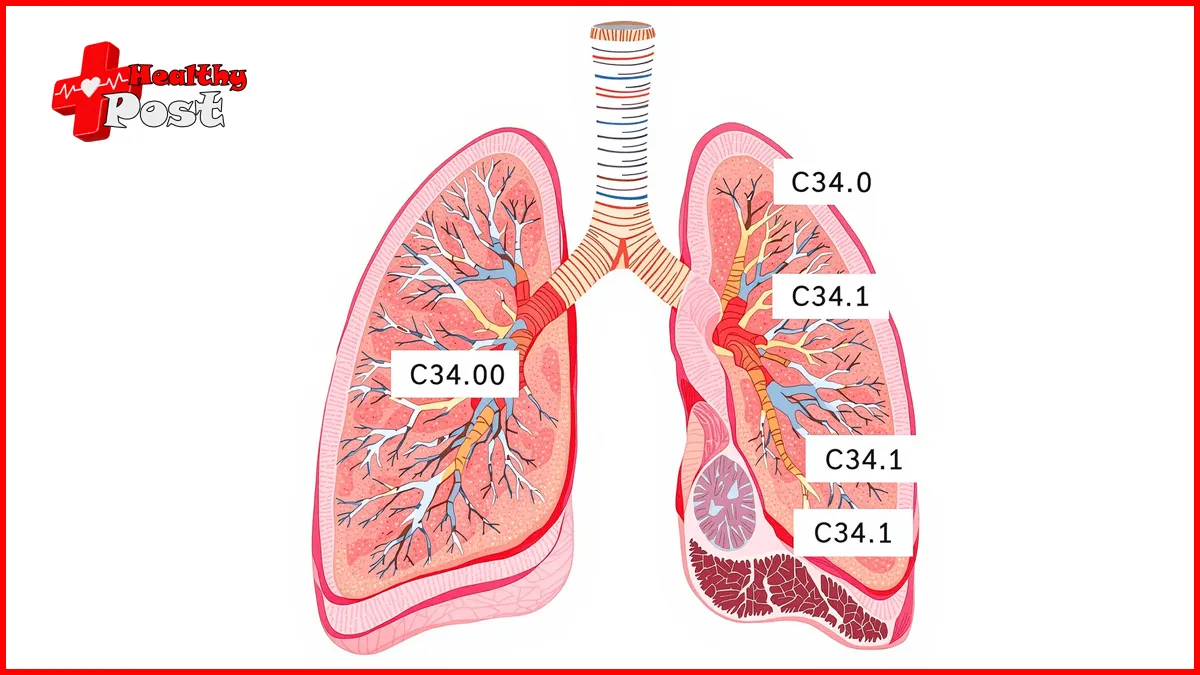
The ICD-10 code C34 serves as a universal identifier for lung cancer in medical records. This code helps doctors track and treat lung cancer cases with precision.
Specific Codes for Each Part of the Lung
Each part of the lung has its own specific code:
- C34.0: Cancer found in the main bronchus
- C34.1: Cancer in the upper lobe
- C34.2: Cancer in the middle lobe (right lung)
- C34.3: Cancer in the lower lobe
- C34.8: Cancer spread across multiple lung areas
- C34.9: Cancer in unknown lung areas
These codes tell doctors exactly where the cancer is. A doctor can spot cancer in your right lung’s upper part with code C34.1.
Additional Numbers for More Details
The Lung Cancer ICD 10 system uses extra numbers after the main code. These numbers give more details about the cancer type.
For example: C34.112 means:
- C34: Lung cancer
- 1: Upper lobe
- 1: Right lung
- 2: Stage of cancer
Purpose of Using ICD-10 Codes
Doctors use these codes to:
- Write clear medical records
- Share info with other doctors
- Help with insurance claims
- Track treatment success
- Plan better care for patients
Staying Updated with Changing Codes
These codes change as medical science grows. Doctors stay up-to-date with the latest codes to give the best care.
2. Importance of Accurate Coding in Lung Cancer Cases
Accurate ICD-10 coding is crucial for lung cancer treatment and insurance coverage. Even a small error can lead to significant complications in patient care.
Impact on Treatment
Correct coding directly influences various aspects of lung cancer treatment, including:
- Quick access to specialized care
- Proper medication approvals
- Accurate tracking of treatment progress
- Clear communication between healthcare providers
Impact on Insurance Processing
On the other hand, accurate coding also plays a vital role in the insurance process by ensuring:
- Faster claim approvals
- Reduced denial rates
- Proper coverage determination
- Streamlined billing processes
Consequences of Incorrect Coding
When codes are entered incorrectly, it can set off a series of negative consequences such as:
- Delayed treatments
- Insurance claim rejections
- Extra paperwork burden
- Higher out-of-pocket costs
- Inaccurate medical records
The Need for Double-Checking
Medical staff must double-check these vital codes. A C34.1 code (upper lobe) mistakenly entered as C34.2 (middle lobe) can disrupt surgical planning.
Effects on Research Data
The accuracy of codes also impacts research data. Each incorrect entry distorts cancer statistics and research findings.
Tools for Maintaining Coding Precision
Healthcare providers employ specific tools to ensure precise coding:
- Digital verification systems
- Regular staff training
- Expert consultations
- Quality control checks
These measures are in place to protect patients from coding errors, ensuring smooth treatment plans and proper insurance coverage.
3. Role of ICD-10 Codes in Global Health Initiatives
The World Health Organization (WHO) is leading the way in creating a universal language for medical conditions. By standardizing ICD-10 codes, they are helping doctors communicate effectively about medical issues across different countries.
How WHO Updates ICD-10 Codes
WHO updates these codes through expert meetings and global consultations. This process ensures that the codes remain up-to-date with the latest medical advancements and discoveries related to lung cancer.
Benefits of Standardized ICD-10 Codes in Global Health Monitoring
Standardized ICD-10 codes provide clarity in global health monitoring. Medical teams can now:
- Track lung cancer patterns in various countries
- Identify risk factors affecting specific populations
- Compare treatment success rates on a global scale
- Detect emerging health trends at an early stage
Insights Gained by Research Teams through Standardized System
Research teams also benefit from this standardized system. The use of ICD-10 codes allows them to:
- Access patient data quickly across multiple hospitals
- Share findings easily between international research groups
- Understand lung cancer demographics better
- Track treatment responses accurately
Creation of Global Lung Cancer Database using ICD-10 Codes
Furthermore, these codes play a crucial role in establishing a global database of lung cancer information. Doctors can utilize this data to:
- Make informed treatment decisions
- Predict patient outcomes more accurately
- Develop innovative treatment strategies
- Study rare instances of lung cancer
The efforts made by WHO in standardizing these codes have paved the way for combating lung cancer on a global level. With this unified system in place, medical teams worldwide can collaborate, exchange knowledge, and enhance patient care.
4. Personal History Codes: A Lifeline for Lung Cancer Survivors
The Z85.118 code serves as a vital marker in medical records for lung cancer survivors. This code helps doctors track patient history and create personalized care plans.
Benefits of Z85.118 Code for Lung Cancer Survivors
Medical records with Z85.118 unlock several benefits for survivors:
- Access to regular screening tests
- Quick approval for preventive care
- Better insurance coverage for follow-up visits
- Early detection of possible cancer recurrence
Role of Z85.118 Code in Post-Cancer Care
A patient’s medical journey doesn’t end after beating lung cancer. The Z85.118 code enables healthcare providers to:
- Set up tailored monitoring schedules
- Plan specific follow-up treatments
- Track potential long-term effects
- Adjust medications as needed
This code also helps survivors receive:
“Specialized care focused on post-cancer wellness and prevention”
Continuous Medical Support through Survivor Monitoring
Survivor monitoring through Z85.118 creates a safety net of continuous medical support. Healthcare teams use this code to:
- Schedule regular check-ups
- Order appropriate tests
- Monitor recovery progress
- Address survivor-specific health needs
The Z85.118 code links past medical history to current health needs. It helps doctors make informed decisions about future treatments and preventive measures.
5. Navigating the Structure and Updates of ICD-10 Codes
The ICD-10 coding system follows a smart pattern that helps doctors spot lung cancer details fast. Each code starts with a letter and includes numbers that tell a specific story about the illness.
Let’s break down a typical lung cancer code:
- First character: Always a letter (C for cancer)
- Second/Third digits: Numbers showing the body part
- Decimal point: Separates main group from specific details
- Additional numbers: Give exact details about location and type
A real example is C34.12, which means:
- C = Cancer
- 34 = Lung
- 1 = Upper lobe
- 2 = Left side
Medical science keeps growing, bringing new treatments and better ways to spot cancer. The ICD-10 system changes with it through regular updates.
These updates happen for key reasons:
- New cancer types get discovered
- Better testing methods come up
- Treatment options expand
- Research findings need new codes
Doctors check these updates through:
- Official medical coding websites
- Healthcare system alerts
- Professional coding newsletters
- Regular training sessions
The coding system helps track lung cancer patterns across different hospitals and countries. This data helps create better treatment plans for patients.
6. Understanding Secondary Lung Cancer ICD-10 Codes
Secondary lung cancer occurs when cancer from another part of the body spreads to the lungs. Healthcare professionals use specific ICD-10 codes to identify and track these cases.
Common Secondary Lung Cancer Codes
C78.00: Unspecified secondary lung cancerC78.01: Secondary cancer in right lungC78.02: Secondary cancer in left lung
These codes play a crucial role in medical documentation, enabling doctors to maintain accurate records for insurance purposes and treatment planning. Each code provides valuable information about the location and pattern of cancer spread.
Benefits of Using Secondary Cancer Codes
The use of specific secondary cancer codes offers several advantages:
- Better tracking of disease progression
- Accurate insurance billing
- Clear communication between healthcare providers
- Improved research data collection
- Precise treatment planning
Combining Codes for Comprehensive Understanding
Doctors often combine secondary lung cancer codes with other diagnostic codes to gain a comprehensive understanding of a patient’s condition. This combination allows medical teams to see the complete picture of cancer spread and make informed decisions regarding treatment options such as surgery, radiation, or chemotherapy.
The right code leads to proper treatment paths. It helps medical teams understand the full scope of cancer spread. This knowledge shapes decisions about surgery, radiation, or chemotherapy options.
7. Online Resources and Future Developments in Lung Cancer Coding
Medical coding keeps changing. You can find up-to-date ICD-10 code information on these trusted websites:
- CDC’s ICD-10-CM Browser: A free tool to search current codes
- WHO’s ICD Platform: The official source for global coding standards
- AAPC Coder: A paid service with detailed coding guidelines
- Find-A-Code: An online database with regular updates
The new ICD-11 system brings exciting changes to lung cancer coding:
- Built-in search functions make finding codes easier
- Digital-friendly format works better with electronic health records
- More specific codes for different types of lung cancer
- Better tracking of cancer treatments and outcomes
- Improved support for multiple languages
The ICD-11 system adds these helpful features:
- Web-based platform for quick updates
- Links between related health conditions
- Better handling of complex medical cases
- Easier sharing of medical information worldwide
Medical coders can now join online communities to:
- Share coding tips and experiences
- Learn about new coding rules
- Get help with tricky cases
- Stay updated on coding changes
The World Health Organization leads these improvements in medical coding standards.
8. Empowering Patients Through Understanding Lung Cancer Codes
Knowing about lung cancer ICD-10 codes gives patients more control over their healthcare journey.
Key Benefits for Patients:
- Better understanding of medical records
- Easier tracking of diagnosis details
- Clearer insurance claims processing
- Improved ability to seek second opinions
- Stronger self-advocacy in healthcare settings
Understanding ICD-10 codes makes it easier for patients to communicate with doctors. They can ask specific questions about their diagnosis location using code details.
Tips for Better Healthcare Communication:
- Keep a record of your specific lung cancer code
- Ask your doctor to explain the meaning behind each code digit
- Use codes to track changes in your diagnosis
- Share accurate codes when seeking other medical opinions
- Reference codes in insurance discussions
Many patients find that understanding their ICD-10 codes reduces anxiety. It turns complex medical terms into clear, structured information.
With this knowledge, patients become more active participants in their healthcare decisions. It also helps build trust between them and their medical team.
Doctors appreciate patients who show interest in their diagnostic codes. This shared knowledge creates better treatment partnerships.
These codes also help patients connect with others who have similar diagnoses. Support groups often use these codes to match members with similar experiences.
Conclusion
Accurate medical coding is essential for effective lung cancer care. The ICD-10 system provides a clear framework for diagnosis, treatment, and recovery.
These 10 Critical Facts About Lung Cancer ICD 10 highlight the importance of precise coding in:
- Patient care quality
- Insurance claim success
- Global health research
- Treatment planning
- Healthcare communication
The future of medical coding advancement brings hope for even better patient outcomes. Healthcare providers and patients who understand these codes can work together for improved care.
Knowledge of lung cancer ICD-10 codes empowers both medical professionals and patients. This shared understanding creates stronger healthcare partnerships and better treatment results.
Your health journey deserves the best possible support. Understanding these codes helps you take control of your healthcare decisions and ensures you receive appropriate care.
FAQs (Frequently Asked Questions)
What is the significance of ICD-10 codes in diagnosing lung cancer?
ICD-10 codes, such as code C34 for lung cancer, play a crucial role in accurately identifying tumor locations and types. They ensure precise medical diagnosis, facilitating effective treatment planning and insurance claims processing.
How are lung cancer ICD-10 codes structured based on tumor location?
The primary ICD-10 code for lung cancer is C34, which is subdivided into specific codes depending on the tumor’s exact location within the lungs. This detailed classification helps healthcare providers tailor treatment strategies appropriately.
Why is accurate coding essential in lung cancer cases?
Accurate ICD-10 coding directly impacts treatment planning and insurance claims. Correct codes ensure patients receive appropriate care and coverage, while incorrect coding can lead to treatment delays or claim denials.
What role do ICD-10 codes play in global health and research related to lung cancer?
The World Health Organization standardizes ICD-10 codes, enabling consistent data collection worldwide. This standardization supports global health monitoring, facilitates research collaboration, and advances understanding of lung cancer trends.
How do personal history codes like Z85.118 assist lung cancer survivors?
Code Z85.118 denotes a personal history of lung cancer, which is vital for ongoing survivor monitoring and management. It helps healthcare providers track patient history to optimize follow-up care and prevent recurrence.
What resources are available for staying updated on lung cancer ICD-10 coding developments?
Online platforms provide current information on ICD-10 codes, including updates and changes. Additionally, the development of ICD-11 promises future improvements in coding accuracy and comprehensiveness for lung cancer documentation.
3 Comments
Pingback: What Is Cytology? Complete Guide to Cytology Tests and Medical Uses
Pingback: Apple Juice Benefits: 8 Proven Health Boosts and 3 Hidden Downsides - Healthy Post
Pingback: Metastatic Lung Cancer ICD-10 Codes: Accurate Diagnosis Guide