10 Stunning Brow Lift Before and After Results You’ll Love
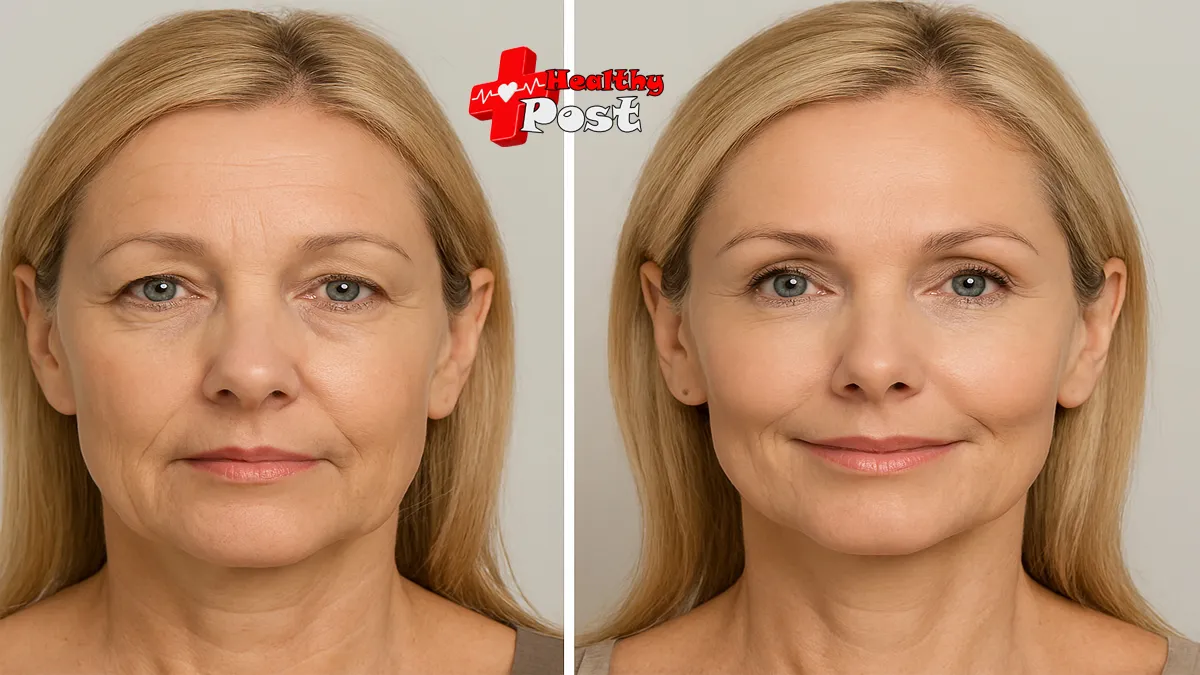
If you are tired of looking tired, you are not alone. Many people notice heavy brows, sagging eyelids, and deep forehead lines long before they feel “old.” That is often when they start exploring brow lift before and after photos and wondering what is possible for them.
Looking at real transformations can be exciting and also a little overwhelming. You might worry about looking “overdone,” feeling unlike yourself, or choosing the wrong technique. Those concerns are valid. A brow lift is real surgery, and your face deserves careful thought.
This guide walks you through 10 specific changes people often see after a brow lift. You will learn what is realistic, what takes time, and what you can ask your surgeon to achieve. The tone here is honest, supportive, and grounded in current cosmetic surgery knowledge. 💙
What Is a Brow Lift, In Simple Terms?
A brow lift, also called a forehead lift or eyebrow lift, is a procedure that:
- Raises the position of the eyebrows
- Smooths some forehead wrinkles
- Softens the “11” frown lines between the brows
- Reduces hooded skin that hangs over the upper eyelids
There are several techniques:
- Endoscopic brow lift (tiny incisions hidden in the hairline)
- Coronal or traditional brow lift (a longer incision across the scalp)
- Temporal or lateral brow lift (focuses on the outer brow)
- Nonsurgical “chemical” brow lift with Botox or similar injectables
Each method changes how your brow lift before and after results will look and how long they will last. A skilled, board-certified plastic surgeon will help match the technique to your features and goals.
1. Brighter, More Awake Eyes 👀
Many people say, “Everyone asks if I am tired, even when I feel fine.” Heavy brows and sagging forehead skin often cause that look.
After a brow lift, the upper face usually appears more awake. The eyes look less shadowed and less “closed.” This does not mean a permanently surprised expression when done well. Instead, the brows sit in a more youthful, natural position.
How this change usually looks:
- Upper eyelids show more natural crease
- Dark shadows from a low brow soften
- You may need less concealer on the upper eye area
Example:
A 48-year-old teacher felt she looked irritated in staff photos. Three months after an endoscopic brow lift, colleagues asked if she had changed her sleep routine. They simply noticed brighter eyes, not surgery.
2. Softer Frown Lines and Forehead Wrinkles
Years of squinting, worrying, and concentrating leave their mark. The “11” lines between the brows can look angry even when you feel calm. Deep horizontal forehead lines may also look harsh.
During a brow lift, the surgeon releases and sometimes weakens certain muscles. That helps reduce deep creases and frown lines. It does not “erase” all wrinkles. It can, however, dramatically soften them.
You may notice after surgery:
- Frown lines are shallower or barely visible at rest
- Deep grooves across the forehead soften
- The face appears calmer and more approachable
Many patients still choose Botox later for fine lines. The surgery reduces the baseline depth of creases and may make injectables last longer.
3. Reduced Hooded Upper Eyelids
Heavy brows can push skin down over the upper lids. This often runs in families. You might recognize the same trait in parents or grandparents.
Sometimes, people think they need eyelid surgery only. In reality, the brow position is the root issue. A well-planned brow lift can lift the weight off the lids.
Common changes after surgery:
- Less skin touching the upper lashes
- Eye makeup easier to apply
- Eyeshadow visible again on the upper lid
In some cases, surgeons combine a brow lift with upper eyelid surgery (blepharoplasty). That offers more complete rejuvenation. Mayo Clinic brow lift information explains how surgeons decide between these options.
4. A More Youthful, Harmonious Brow Shape
Age affects not only brow height but also shape. The outer part of the brow often droops more than the inner part. This can create a flat or even downward slanting eyebrow.
After surgery, a natural, youthful brow usually:
- Sits slightly higher toward the outer third
- Follows the natural bony ridge of the eye socket
- Looks balanced with your eye size and forehead height
Your surgeon will consider:
- Your gender and ethnicity
- Existing brow thickness and shape
- Hairline height
- Facial expressions and muscle strength
Example:
A 42-year-old man disliked his low, flat brows but wanted a subtle change. His surgeon performed a conservative temporal brow lift. After healing, he looked more open and relaxed, without a “surprised” look.
5. A Calmer, Less “Angry” Resting Expression 😌
Many people seek a brow lift because others misread their expression. You might hear:
- “Are you upset?”
- “You look stressed today.”
- “You seem angry; is everything okay?”
Low brows and deep frown lines can send that signal, even when you feel content.
With the brow lifted and tension lines reduced, your resting face may appear:
- Friendlier
- Less stern
- More in line with how you actually feel
This change often has an emotional effect. People may report feeling more confident in social situations or at work because their face better matches their mood.
6. Subtle Lifting of the Midface and Temples
A brow lift mainly targets the upper third of the face. Yet, repositioning tissues can subtly influence nearby regions.
You might notice:
- Slight smoothing at the outer corners of the eyes (crow’s feet can soften, not vanish)
- A gentler transition from the temples to the cheeks
- Less “heavy” look around the upper cheekbone area
For many, these changes are modest but meaningful. They contribute to a general sense of freshness and balance.
If you have more advanced midface sagging, your surgeon may suggest combining treatments. Options include eyelid surgery, facelift, or skin tightening procedures.
7. Brow Lift Before and After: Recovery Timeline at a Glance 🗓️
Understanding the healing process helps you interpret your brow lift before and after results. Early days can look swollen or uneven. Final outcomes take time.
Here is a typical timeline. Individual experiences vary, especially by technique and health status.
| Timeframe | What You See in the Mirror | How You Might Feel | Helpful Tips ✅ |
|---|---|---|---|
| Days 1–3 | Swelling, bruising, tight forehead | Pressure, mild to moderate pain | Use cold packs as directed, rest, head up |
| Days 4–7 | Bruising moves downward, eyes look puffy | Itching, less pain | Short walks, follow medication schedule |
| Week 2 | Stitches removed if needed, less swelling | Some numbness or tingling | Switch to warm compresses if advised |
| Weeks 3–4 | Face looks more normal in public | Mild tightness, fatigue improving | Light makeup usually possible |
| Months 2–3 | Brow position settles, scars maturing | Most sensations returning | Resume regular exercise once cleared |
| Months 6–12 | Final shape visible, scars fade more | Forehead feels natural again | Continue sun protection and scar care |
Most people feel presentable to others within two weeks. True “after” photos that surgeons show often come from the three to six month mark. Patience is key.
8. More Options for Makeup and Grooming 💄
Many patients enjoy new flexibility with makeup and grooming after healing. When the brow and upper eyelids are less heavy, products sit differently.
You might find:
- Eyeshadow blends more smoothly on a visible upper lid
- Eyeliner no longer hides under folded skin
- Eyebrow shaping and tinting become more flattering
Some people choose to:
- Adjust brow shaping with a professional brow artist
- Update eyeglass frames to match their refreshed look
- Refresh hairstyles now that the forehead appears smoother
This is also a moment when some feel emotional. Looking more like your younger self can bring up many feelings. A supportive friend or therapist can help you process that shift, especially if changes are significant.
9. Gain in Self-Confidence, Not a “New Personality”
Cosmetic procedures cannot fix every self-esteem challenge. They also cannot solve relationship problems or workplace stress. However, many people report an increase in day-to-day confidence.
Common feedback after surgery includes:
- Feeling more comfortable in photos and video calls
- Less focus on hiding the forehead with bangs or hats
- Greater ease wearing contact lenses or new makeup looks
One patient shared that she finally stopped avoiding mirrors at work. That small change allowed her to focus more on tasks and less on appearance worries.
At the same time, a responsible surgeon will explore your expectations. If you hope the procedure will transform your entire life, that is a signal to pause and reflect.
10. Long-Lasting, Yet Natural-Looking Improvement
A brow lift does not freeze your face in time. You will continue to age. Gravity, sun exposure, and lifestyle choices still matter.
Still, a well-performed procedure offers long-lasting improvement:
- Surgical brow lifts often last 8–10 years or more
- Nonsurgical brow lifts with injectables last several months
- Results usually fade gradually, not overnight
Caring for your skin and overall health can help you enjoy your results longer:
- Use daily sunscreen on the forehead and around the eyes 🌞
- Avoid smoking, which speeds visible aging
- Maintain a stable weight
- Consider occasional maintenance treatments, like Botox or resurfacing
The American Society of Plastic Surgeons provides detailed information about techniques, safety, and realistic outcomes.
Interpreting Brow Lift Before and After Photos Like a Pro 📸
When you browse brow lift before and after galleries, it helps to look with a critical eye. Not every photo tells the full story.
Here are useful questions to ask yourself:
- Is the lighting similar in both photos?
- Is makeup heavier in the “after” image?
- Are the angles and expressions consistent?
- Do I see the same person, just refreshed, or a very altered face?
Look for:
- Subtle improvement, not extreme change
- Natural brow position at rest
- Harmony between brows, eyes, and midface
- Scar placement that is well hidden
You can also ask surgeons to show unedited, standardized images during your consultation. Many are happy to explain how they take and store medical photos.
Who Is a Good Candidate for a Brow Lift?
Ideal candidates usually:
- Have low or drooping brows that affect appearance or vision
- Are bothered by their forehead and brow area daily
- Have realistic expectations about change
- Do not smoke, or are willing to stop as instructed
- Are in generally good health and stable weight
A consultation with a board-certified plastic surgeon is essential. They will:
- Take a full medical history
- Examine your forehead, eyebrows, and eyelids
- Discuss surgical and nonsurgical options
- Explain risks, benefits, and alternatives
Checking credentials through reputable bodies such as the American Board of Plastic Surgery is a wise step.
Common Side Effects and Risks You Should Know
Every surgical procedure has risks. Being well informed helps you weigh your options calmly.
Short-term side effects often include:
- Swelling and bruising
- Temporary numbness around the scalp or forehead
- Mild to moderate discomfort
- Temporary hair shedding near incisions
Less common but serious risks include:
- Infection
- Bleeding or hematoma
- Visible or raised scars
- Asymmetry in brow height or shape
- Changes in hairline position
Your surgeon will give detailed instructions to reduce these risks. Following them closely is a crucial part of your own safety.
How to Prepare for Your Brow Lift
Preparation supports smoother surgery and recovery. Your surgeon’s advice always comes first, but typical steps include:
- Stopping smoking several weeks before surgery
- Avoiding certain medications and supplements that increase bleeding
- Arranging time off work and help at home
- Setting up a comfortable recovery space with pillows and cold packs
Write down your questions beforehand. During consultation, ask about:
- Chosen technique and why
- Where scars will be located
- Expected downtime for your specific job
- What your personal “after” might realistically resemble
Some people find it helpful to bring a few printed brow lift before and after photos. Choose ones that look like your face shape and age range. Use them to clarify what you like, not as exact promises.
FAQs About Brow Lift Results and Recovery ❓
1. How soon will my brow lift before and after results be visible?
You will notice lifting right away, but early swelling hides the final result. Most people feel “socially ready” after two weeks. The most accurate “after” view appears between three and six months, once tissues fully settle.
2. Will I look fake or permanently surprised?
With a skilled surgeon and well-chosen technique, you should not. A natural brow lift keeps the brows slightly elevated without arching them unnaturally. Surgeons aim for a calm, rested look, not a shocked expression.
3. Can a brow lift fix all my forehead wrinkles?
It can significantly reduce deeper lines and frown grooves. Fine surface lines, sun damage, and texture changes usually need additional treatments. Chemical peels, lasers, or neurotoxins can complement surgical results.
4. How long does recovery usually take?
Plan for 7–14 days before returning to non-strenuous work. Bruising and swelling often continue improving for several weeks. Heavy lifting, vigorous exercise, and contact sports may be restricted for four to six weeks, depending on your surgeon’s advice.
5. Am I too young for a brow lift in my 30s?
Age alone is not the only factor. Some people have genetically low brows or strong frown muscles that age them early. If your concerns are mild, nonsurgical options may be enough for now. A consultation can help you choose wisely.
6. Is a nonsurgical brow lift with Botox enough?
For early or mild sagging, it often works well. Botox relaxes muscles that pull the brows downward, allowing a small lift. However, its effect is temporary and usually less dramatic than surgery. You may repeat it every three to four months.
Final Thoughts: Choosing the Right Path for Your Own Transformation 🌈
Scrolling through brow lift before and after photos can be inspiring. Still, every face is unique. The most beautiful transformations usually look subtle, balanced, and true to who you are.
If sagging brows or heavy upper eyelids bother you daily, you do not have to ignore that feeling. A thoughtful consultation with a board-certified plastic surgeon or facial plastic surgeon is a wise next step. Explore surgical and nonsurgical options. Ask about recovery, risks, and realistic results.
Remember:
- The goal is not a new face, but a refreshed version of you
- Healing takes time, so be patient with your reflection
- Emotional adjustment is part of the process and completely normal
With careful planning, expert guidance, and healthy expectations, the “after” in your own eyebrow lift results can feel both stunning and authentically yours. 💖