


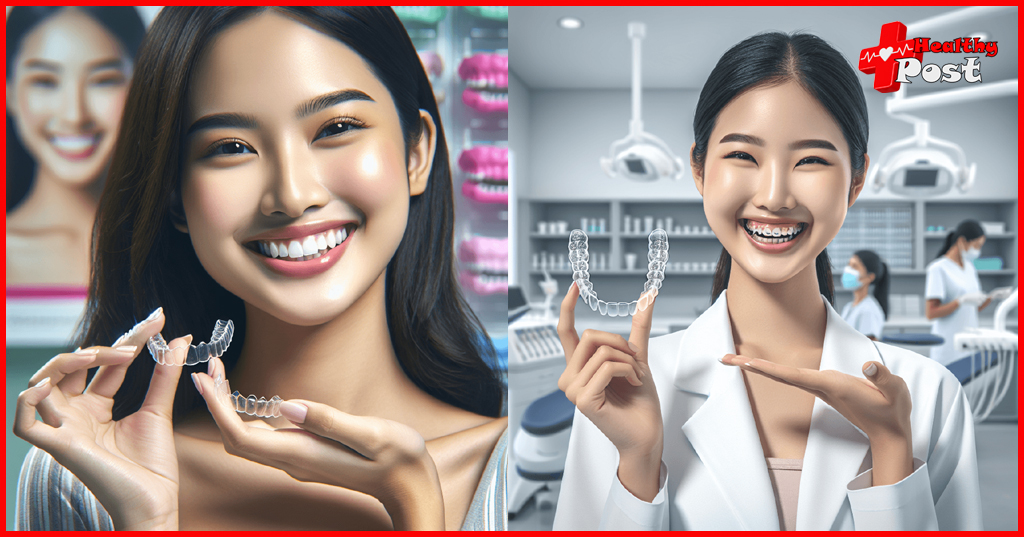
Clear aligners have changed the game in orthodontics, providing a modern alternative to traditional braces. These nearly invisible trays have become extremely popular due to their convenience and aesthetic appeal. People love them because they can straighten teeth without the metal brackets and wires.
Choosing the right aligner is crucial. It ensures effective treatment and patient satisfaction. There are many options available, but Byte vs Invisalign: Which is the Better Clear Aligners? This decision can impact your dental health and wallet.
In this article, we will compare Byte and Invisalign in detail:
- The treatment process for both brands.
- The effectiveness in treating various alignment issues.
- Cost analysis to help you understand price differences.
- Treatment duration expectations with each option.
By the end, you’ll be better equipped to choose the clear aligner that suits your needs. Let’s dive into the world of clear aligners and see how Byte stacks up against Invisalign!

Understanding Clear Aligners
Clear aligners have become a modern alternative to traditional braces. They are often called invisible braces because they are less noticeable. These aligners are designed to straighten teeth without the hassle and visibility of metal brackets and wires.
What Are Clear Aligners?
Clear aligners are custom-made plastic trays that fit snugly over your teeth. They apply gentle, consistent pressure to gradually move your teeth into the desired position. Unlike traditional braces, clear aligners are almost invisible, making them a popular choice for those who want a more aesthetic option.
Benefits Over Traditional Braces
Choosing clear aligners over other teeth straightening options comes with several benefits:
- Aesthetics: One of the most significant advantages is their near-invisibility. This makes them ideal for adults and teens who may feel self-conscious about wearing braces.
- Comfort: Clear aligners are made of smooth plastic, reducing the risk of mouth sores that can be caused by metal brackets.
- Removability: You can remove the aligners when eating or brushing your teeth, allowing for better oral hygiene compared to traditional braces.
- Fewer Office Visits: Since there are no wires to tighten, you may find yourself making fewer trips to the orthodontist.
How Do Clear Aligners Work?
The process begins with a consultation where a dental professional takes digital scans or physical impressions of your teeth. These scans are used to create a series of custom-made trays, each slightly different from the last.
- Initial Consultation:Digital scans or physical impressions
- Custom treatment plan
- Receiving Your Trays:Series of custom-made trays
- Instructions on how long to wear each tray (usually 1-2 weeks)
- Gradual Movement:Each tray gently shifts teeth closer to the desired position
- Regular check-ins with your dental professional
By switching out these trays every couple of weeks, your teeth gradually move into alignment. The end result is a straighter smile achieved through a convenient and comfortable process.
 Image Description: A set of clear aligner trays used for teeth straightening.
Understanding the benefits and mechanics of clear aligners can help you decide if this modern orthodontic solution is right for you. If you’re still uncertain whether to choose clear aligners or metal braces, it’s advisable to consult with an orthodontic professional who can provide personalized advice based on your specific dental needs.
Invisalign: An Industry Leader
Clear aligners have revolutionized orthodontic treatment, and Invisalign stands out as a leader in this field. Many people are turning to Invisalign for its effectiveness, comfort, and overall positive experience. But how exactly does the treatment work?
Treatment Process with Invisalign
The journey with Invisalign is structured and meticulous, ensuring patients receive the best possible care at every step.
Initial Consultation
The process begins with an initial consultation with a dental professional. During this visit:
- A thorough examination of your teeth is conducted.
- Digital scans or physical impressions are taken.
- A personalized treatment plan is developed based on your specific needs.
This initial step is crucial as it sets the foundation for the entire treatment.
Custom Aligner Creation
Once the plan is in place, custom aligners are created. These aligners are:
- Made from medical-grade plastic.
- Designed to fit snugly over your teeth.
- Gradually move your teeth into the desired position.
Each set of aligners is typically worn for one to two weeks before moving on to the next set in the series.
Regular Check-ins
Throughout the treatment, regular check-ins with your dentist or orthodontist are essential. These appointments ensure that:
- The treatment is progressing as planned.
- Any necessary adjustments can be made.
- Patients receive guidance and support.
Consistent monitoring helps maintain optimal outcomes and address any concerns promptly.
Final Results
Reaching the end of the treatment period brings exciting results. Patients can expect:
- Straighter teeth.
- Improved bite alignment.
- Enhanced overall oral health.
Retention strategies, such as wearing retainers, are often recommended to maintain these results long-term.

Dentist Involvement: Ensuring Optimal Outcomes
The involvement of dental professionals at each stage cannot be overstated. Their expertise ensures that:
- The initial assessment accurately identifies all issues.
- The treatment plan is tailored to address individual needs.
- Ongoing support and adjustments optimize progress.
Dental professionals provide a safety net, ensuring that any potential complications are managed effectively. This level of care contributes significantly to patient satisfaction and successful outcomes.
Effectiveness and Range of Issues Treated by Invisalign
Invisalign isn’t just about aesthetics; it addresses various orthodontic issues effectively:
- Crowding: When there isn’t enough space for teeth to fit normally within the jaws.
- Spacing: Gaps between teeth due to missing teeth or abnormal growth patterns.
- Bite Issues: Including overbites, underbites, crossbites, and open bites.
Statistics show high success rates and patient satisfaction levels with Invisalign treatments. Those who have undergone treatment often report significant improvements in their dental alignment and overall confidence.
Cost Analysis: Understanding Price Differences Between Byte and Invisalign
A key consideration for many is cost. Invisalign treatments typically range from $3,000 to $6,000. Factors influencing pricing include:
- Case complexity: More severe cases may require longer treatment times and
Effectiveness and Range of Issues Treated by Invisalign
Invisalign has carved a niche for itself in the clear aligner market, thanks to its extensive history and proven effectiveness. It can tackle a wide variety of orthodontic issues, making it a versatile option for many patients.
Common Alignment Problems Treated with Invisalign:
- Crowding: When teeth are too close together, causing overlaps.
- Spacing: Gaps between teeth that can affect aesthetics and function.
- Overbite: Upper front teeth overlap too much over the lower front teeth.
- Underbite: Lower front teeth extend beyond the upper front teeth.
- Crossbite: Upper and lower jaws are misaligned, causing some upper teeth to sit inside the lower teeth.
Patients often choose Invisalign due to its ability to address these common problems effectively. The clear aligners are custom-made for each patient, ensuring a snug fit that gradually moves teeth into the desired position.
Success Rates and Patient Satisfaction:
Research and statistical data highlight Invisalign’s high success rates. Studies show that:
“Over 96% of patients report satisfaction with their Invisalign treatment outcomes.”
This level of satisfaction underscores the brand’s reliability in delivering effective orthodontic solutions.
Many patients appreciate how Invisalign aligners blend seamlessly into their lifestyle. Unlike traditional braces, these clear trays are virtually invisible, allowing individuals to straighten their teeth without drawing attention.
The involvement of dental professionals is crucial throughout the treatment process. They monitor progress, make necessary adjustments, and ensure optimal results. This professional oversight is a significant factor in achieving high success rates and patient satisfaction levels.
Invisalign’s broad range of treated cases and its proven track record make it a go-to choice for many seeking orthodontic treatment.
Cost Analysis: Understanding the Price Differences Between Byte and Invisalign
Choosing between Byte and Invisalign often comes down to cost, among other factors. Prices for Invisalign typically range from $3,000 to $6,000. Several elements influence this pricing:
- Case Complexity: More severe alignment issues require more trays and longer treatment times, which can drive up costs.
- Geographic Location: Prices may vary based on the cost of living in different regions.
Invisalign’s higher price tag is often justified by its long-standing reputation and extensive range of treated cases. This brand has been around for years, earning trust through its effective outcomes and support from dental professionals.
On the other hand, Byte positions itself as a more affordable option. The cost for Byte treatment usually hovers around $1,895 for the all-day aligners or $2,295 for the at-night aligners. This makes Byte attractive for budget-conscious individuals seeking effective orthodontic solutions without breaking the bank.
| Factor Invisalign Byte Average Cost | $3,000 – $6,000 | $1,895 – $2,295 |
| Case Complexity | Affects Pricing | Less Impact due to Standardized Process |
| Geographic Location | Affects Pricing | Consistent Nationwide |
Invisalign’s higher costs are partly due to the involvement of dental professionals at each stage of the treatment. Regular check-ins ensure that everything is progressing as it should. Byte takes a different approach by offering remote monitoring, which reduces overhead costs.
Both options have their merits and choosing between them requires weighing both financial and personal preferences. Those looking for an established brand with in-person support might lean towards Invisalign. Budget-savvy individuals who prefer convenience may find Byte to be a compelling choice.
Cost is just one piece of the puzzle. Treatment duration is another crucial factor to consider before making your decision.
Treatment Duration with Byte and Invisalign: What to Expect?
The time it takes to get the desired results can vary between Byte and Invisalign. Here’s a breakdown of what you can expect from each:
Invisalign Treatment Duration
Invisalign treatment usually lasts around 12 to 18 months. However, this timeframe can change based on:
- The complexity of your dental issue
- How well you stick to wearing the aligners for 20-22 hours every day
For example, if your teeth are severely misaligned or you have issues like an overbite, you might need a longer treatment period. But if your alignment issues are minor, you could finish sooner.
Byte Treatment Duration
Byte is known for its faster treatment times. Thanks to their HyperByte technology, many users see significant results in just 3 to 6 months. This makes Byte a great choice for those who want quicker solutions without sacrificing effectiveness.
Factors Affecting Treatment Duration
Several factors can influence how long your treatment will take with either brand:
- Severity Level: More complex cases like severe crowding or spacing issues usually need longer treatment times.
- Compliance Adherence: The success of clear aligners largely depends on how consistently patients wear them. Regular use greatly affects both the speed and effectiveness of the treatment process.
By understanding these factors and comparing the typical durations for both brands, you can make a more informed decision that suits your specific needs and lifestyle preferences.
Choosing between Byte and Invisalign depends on your personal situation and how quickly you want to see results. Both brands have their own benefits that cater to different needs in orthodontic treatments.
Byte: A More Affordable Option Worth Considering?
When it comes to affordable clear aligners, Byte has quickly made a name for itself. Positioned as a cost-effective alternative in the crowded clear aligner market, Byte offers solutions that appeal to budget-conscious individuals without compromising on quality.
Key Features of Byte
Byte sets itself apart from its competitors with several unique features:
- Accelerated Treatment Times: One of Byte’s standout features is its HyperByte technology. This device uses high-frequency vibrations to move teeth more efficiently, potentially cutting treatment times down significantly.
- Convenience: Byte aims to make the process as convenient as possible. They offer an at-home impression kit, eliminating the need for frequent in-office visits.
- Lifetime Guarantee: Known as the “Byte for Life” guarantee, this promise ensures that if your teeth ever shift out of alignment after treatment, Byte will provide additional aligners at no extra cost.
Evaluating Effectiveness: Byte vs. Invisalign in Treating Malocclusions
Both Byte and Invisalign are designed to address various malocclusions (bite problems), but how do they compare in effectiveness?
Types and Severity Levels Treated
Invisalign
Crowding and Spacing: Invisalign can handle severe crowding and spacing issues effectively.
Overbites and Underbites: Suitable for moderate to severe cases.
Crossbites: Effective for treating crossbites involving multiple teeth.
Complex Cases: Often used for more complex orthodontic cases due to direct supervision by dental professionals.
Byte
Crowding and Spacing: Best suited for mild to moderate crowding or spacing issues.
Overbites and Underbites: Generally effective for mild cases. Severe bite problems might require traditional orthodontics.
Crossbites: Can treat mild crossbite issues but might not be suitable for complex cases.
Simpler Cases: Ideally geared towards simpler orthodontic corrections due to the lack of frequent professional oversight.
Cost Comparison
One of the biggest draws of choosing Byte is its affordability:
- Invisalign Costs: Typically range between $3,000 and $6,000, influenced by factors such as case complexity and geographical location.
- Byte Costs: Significantly lower, often ranging around $1,800 to $2,500. This makes it an appealing option for budget-conscious individuals seeking effective orthodontic solutions.
Personal Experience with Byte
Choosing Byte was a decision I made based on my budget constraints. The at-home impression kit was easy to use, and the HyperByte device seemed like an exciting innovation. My treatment lasted about five months—much shorter than I expected! However, I had a relatively simple case of mild crowding.
For those considering clear aligners, evaluating both cost and effectiveness is crucial. While Invisalign offers comprehensive treatment supported by dental professionals, Byte stands out as a convenient and affordable alternative. It’s all about finding what works best for your unique needs and budget.
FAQs (Frequently Asked Questions)
What are clear aligners and how do they work?
Clear aligners are a modern alternative to traditional braces designed for teeth straightening. They consist of a series of custom-made trays that gradually move teeth into their desired positions over time, offering aesthetic and comfort benefits.
What is the treatment process with Invisalign?
The Invisalign treatment process involves several steps, starting from an initial consultation with a dental professional, followed by the creation of custom aligners. Throughout the treatment, dental professionals play a crucial role in monitoring progress and ensuring optimal outcomes until the final results are achieved.
How effective is Invisalign compared to Byte?
Invisalign has a proven track record in treating various alignment issues such as crowding and spacing. Statistical data shows high success rates and patient satisfaction levels. While Byte offers affordability, its effectiveness may vary depending on the specific malocclusions being treated.
What are the cost differences between Byte and Invisalign?
Invisalign treatment typically ranges from $3,000 to $6,000, influenced by factors like case complexity and geographic location. In contrast, Byte positions itself as a more affordable option within the clear aligner market, making it appealing for budget-conscious individuals.
What is the typical treatment duration for Invisalign and Byte?
The typical length of time required to achieve desired results using either brand’s aligners is approximately 12 to 18 months. However, factors such as the severity of alignment issues and adherence to wearing the aligners can affect overall treatment duration.
What sets Byte apart from other clear aligner brands?
Byte differentiates itself by positioning as a cost-effective alternative while offering features such as accelerated treatment times through its HyperByte technology. This makes it an attractive option for those looking for effective orthodontic solutions at a lower price point.

3 Comments
Pingback: Low Back Pain ICD 10: Everything You Need to Know for 2024
Thank you for providing me with these article examples. May I ask you a question?
Sure