


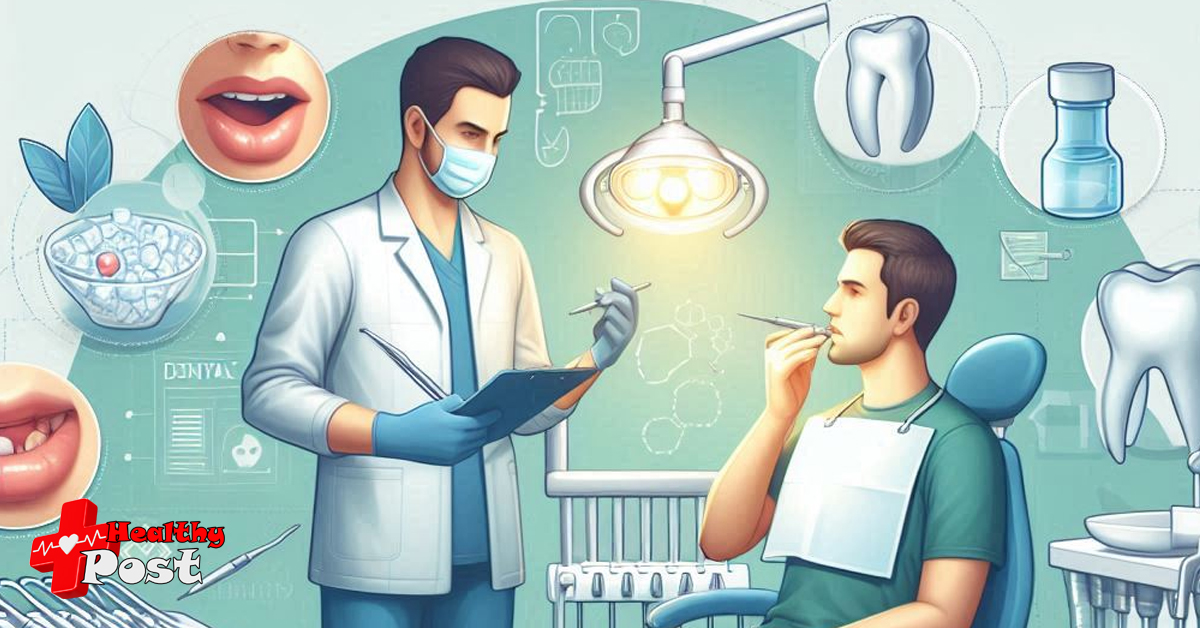
A dental abscess is a painful infection at the root of a tooth or between the gum and tooth.
It is often caused by bacteria buildup due to tooth decay or gum disease.
This condition can lead to serious health problems if not treated in time.
That’s why understanding the Dental Abscess ICD 10 code is important for proper care.
The ICD 10 is a global classification system for diseases and health conditions.
It helps healthcare providers document and track illnesses using a standard code.
The ICD 10 code for a dental abscess makes diagnosis and treatment more accurate and efficient.
Why Dental Abscess ICD 10 Matters in Dental Care
The Dental Abscess ICD 10 code helps dentists and doctors communicate clearly about your condition.
It ensures that you get the right care and that your medical records are correct.
It also helps with insurance claims and treatment planning.
Patients benefit from faster diagnosis, better documentation, and smoother care coordination.
Healthcare providers use it to monitor trends and improve dental services over time.
Below is a quick look at why the Dental Abscess ICD 10 is crucial:
| Reason | Benefit |
|---|---|
| Accurate Diagnosis | Ensures correct identification of the issue |
| Efficient Treatment | Guides proper and timely dental care |
| Insurance Documentation | Helps with coverage and billing |
| Health Data Tracking | Supports public health and care planning |
This article explains the Dental Abscess ICD 10 in detail.
You will learn how it is used, what the codes mean, and tips for proper dental care.
Whether you’re a patient or provider, this guide will help you understand it better.
Let’s explore how the Dental Abscess ICD 10 code improves dental health care.
Understanding Dental Abscess: Causes, Types, and Health Impact
What Is a Dental Abscess?
A dental abscess is a pocket of pus caused by a bacterial infection.
It forms in the mouth due to untreated tooth decay, gum disease, or injury.
This infection can occur in different parts of the tooth or gum.
Types of Dental Abscess
There are three main types of dental abscesses:
| Type | Location |
|---|---|
| Periapical Abscess | Tip of the tooth root |
| Periodontal Abscess | Gums and supporting bone |
| Gingival Abscess | Gum surface without affecting the tooth or bone |
Each type needs a different approach for treatment and care.
Common Causes of Dental Abscess
A dental abscess usually begins when bacteria enter through a cavity or crack in the tooth.
Here are common causes:
- Poor oral hygiene
- Untreated cavities
- Gum infections
- Cracked or broken teeth
- Dental trauma
- Failed dental treatments
When bacteria reach the inner tooth or gums, they multiply and cause an infection.
Symptoms and Signs of Dental Abscess
Early signs help with faster treatment.
Common symptoms of a dental abscess include:
- Severe, throbbing toothache
- Sensitivity to hot or cold
- Swelling in the face or cheek
- Red, swollen gums
- Bad breath or foul taste
- Fever or swollen lymph nodes
- Pus discharge near the infected area
If you notice any of these, seek dental care immediately.
Impact of Untreated Dental Abscess
Ignoring a dental abscess can lead to serious health risks.
- Infection can spread to jaw, neck, or brain
- Tooth loss or damage to nearby teeth
- Sinus infections or bone loss
- Sepsis, a life-threatening infection
- Long-term health issues like heart disease
Timely treatment is essential to prevent complications.
Using the Dental Abscess ICD 10 code helps ensure quick diagnosis and proper treatment.
Dental Abscess ICD 10 Code: What You Need to Know
What Is ICD 10?
ICD 10 stands for the International Classification of Diseases, 10th Revision.
It is a global system used to classify diseases and medical conditions.
Healthcare providers use ICD 10 codes to record, track, and report illnesses.
These codes help standardize medical documentation across clinics, hospitals, and countries.
They are also used in insurance claims, treatment plans, and health statistics.
The Dental Abscess ICD 10 code helps dentists and doctors identify and treat dental infections accurately.
Exact Dental Abscess ICD 10 Code and Description
The Dental Abscess ICD 10 code is K04.7.
This code stands for Periapical abscess without sinus.
Here’s a quick breakdown:
| ICD 10 Code | Description |
|---|---|
| K04.7 | Periapical abscess without sinus |
There are other related codes for dental infections:
| Code | Condition |
|---|---|
| K04.6 | Periapical abscess with sinus |
| K05.22 | Acute periodontitis with abscess |
| K12.2 | Cellulitis and abscess of mouth |
Dentists use these codes to specify the type and severity of the abscess.
Why Accurate Dental Abscess ICD 10 Coding Matters
Correct use of the Dental Abscess ICD 10 code is essential for several reasons:
- Precise Diagnosis: Ensures the exact nature of the abscess is identified.
- Effective Treatment: Guides dental professionals in choosing the right care plan.
- Insurance Claims: Speeds up approval and processing of coverage.
- Health Records: Improves long-term tracking of patient health.
- Public Health Data: Helps in monitoring dental health trends worldwide.
Using the right Dental Abscess ICD 10 code helps avoid miscommunication in care.
It also supports better outcomes for patients and smoother workflows for providers.
Diagnosis of Dental Abscess Using Dental Abscess ICD 10
How Dental Abscesses Are Diagnosed Clinically
Diagnosing a dental abscess begins with a clinical examination by a dental professional.
The dentist checks for visible signs of infection like swelling, redness, or pus.
They will also ask about symptoms such as pain, fever, or bad breath.
A gentle tap on the tooth may be used to test sensitivity and pain level.
This simple test helps determine the severity and possible location of the abscess.
The Dental Abscess ICD 10 code is used once the condition is confirmed.
Diagnostic Tools for Dental Abscess
Advanced tools help confirm the diagnosis and plan treatment.
| Tool | Purpose |
|---|---|
| X-ray | Shows infection at tooth root or surrounding bone |
| CT Scan | Detects spread of infection to jaw, neck, or nearby tissues |
| Lab Tests | Identifies bacteria causing the infection |
These tests provide a clearer picture of the infection’s size and location.
They also help detect complications like bone loss or deep tissue infection.
X-rays are the most common tool used in routine dental abscess cases.
In more serious cases, a CT scan gives detailed 3D images of the affected area.
If the abscess doesn’t respond to normal treatment, lab tests may be done.
Role of Healthcare Professionals in Diagnosis
Dentists and healthcare professionals play a key role in confirming the diagnosis.
Only a trained professional can accurately assess the type and stage of the abscess.
They choose the right Dental Abscess ICD 10 code based on the diagnosis.
Their expertise ensures the correct treatment is given without delay.
They also help prevent complications by identifying any hidden infections.
Proper diagnosis followed by accurate Dental Abscess ICD 10 coding supports better patient outcomes.
It allows for early intervention and smooth communication between dental teams and insurance providers.
Treatment Options for Dental Abscess Using Dental Abscess ICD 10
Common Treatments for Dental Abscess
Treatment for a dental abscess focuses on clearing the infection and relieving pain.
Once diagnosed, the dentist uses the Dental Abscess ICD 10 code to document and plan care.
Here are the most common treatments:
- Draining the Abscess
The dentist makes a small cut to drain the pus and remove the infection. - Root Canal Treatment
This removes infected tissue from inside the tooth and seals it to prevent future infections. - Tooth Extraction
If the tooth is too damaged, it may need to be removed to stop the infection. - Antibiotics
Prescribed if the infection has spread or there’s swelling or fever. - Pain Relief
Over-the-counter pain relievers help manage toothache and reduce discomfort.
| Treatment | Purpose |
|---|---|
| Draining Abscess | Removes pus and reduces pressure |
| Root Canal | Saves the tooth by removing infected pulp |
| Extraction | Removes severely damaged tooth |
| Antibiotics | Fights bacterial infection |
| Pain Medication | Reduces pain and swelling |
Each treatment is chosen based on the type and stage of the abscess.
Correct use of the Dental Abscess ICD 10 code ensures proper documentation.
When Is Surgery Needed?
Surgical intervention is rare but may be needed if:
- The infection spreads to the jaw, neck, or other areas
- The abscess returns even after treatment
- Drainage cannot be done through the tooth or gums
Surgery may involve:
- Removing damaged tissue
- Draining deeper abscesses
- Jawbone cleaning or reconstruction in severe cases
Dentists or oral surgeons decide when surgery is necessary.
Tips to Prevent Dental Abscess
Preventing a dental abscess is easier than treating one.
Here are simple prevention tips:
- Brush teeth twice daily with fluoride toothpaste
- Floss daily to remove food and plaque
- Visit the dentist every six months
- Treat cavities and gum problems early
- Avoid sugary snacks and drinks
- Replace broken fillings or crowns promptly
Using the right dental care routine lowers your risk of infection.
If diagnosed, the Dental Abscess ICD 10 code helps ensure you get timely and accurate care.
Care Tips for Patients with Dental Abscess ICD 10 Diagnosis
Managing Dental Abscess at Home
While professional treatment is necessary, some home care tips can help manage pain and swelling.
If you are diagnosed with a dental abscess and recorded under the Dental Abscess ICD 10 code, follow these steps:
- Rinse with warm salt water 2–3 times daily to reduce bacteria and ease swelling.
- Apply a cold compress to the cheek to reduce pain and inflammation.
- Take prescribed pain relievers like ibuprofen for discomfort.
- Avoid hot, cold, or sugary foods that may trigger tooth sensitivity.
- Sleep with your head elevated to reduce pressure and swelling.
These tips offer temporary relief until you receive dental treatment.
They do not replace professional care but can make symptoms more manageable.
Oral Hygiene Tips to Prevent Abscesses
Good oral hygiene is the best defense against dental infections.
Here are easy habits to follow:
- Brush your teeth twice daily using fluoride toothpaste.
- Floss once a day to remove plaque between teeth.
- Use an antibacterial mouthwash to reduce harmful bacteria.
- Replace your toothbrush every 3 months or after illness.
- Stay hydrated to keep your mouth clean and prevent dryness.
Healthy gums and clean teeth reduce the risk of a dental abscess.
Importance of Regular Dental Check-Ups
Routine dental visits can help detect issues early.
Dentists can spot tooth decay, gum infections, or cracks before they become serious.
- Schedule a dental check-up every 6 months.
- Get professional cleanings to remove plaque and tartar.
- Follow your dentist’s advice on treatment or preventive care.
Early detection means fewer complications and less pain.
Using the Dental Abscess ICD 10 code, dentists can keep track of your condition and follow up effectively.
Taking care of your teeth daily and seeing your dentist regularly keeps abscesses away and your smile healthy.
Importance of Early Diagnosis with Dental Abscess ICD 10
Benefits of Early Identification of Dental Abscesses
Identifying a dental abscess early can save you from serious pain and long-term damage.
When diagnosed early using the Dental Abscess ICD 10 code, treatment becomes quicker and more effective.
Here are the key benefits of early detection:
- Less pain and faster relief
- Lower risk of infection spreading
- Preserves natural teeth and gums
- Reduces the need for surgery or extraction
- Better oral health and lower medical costs
Early diagnosis also helps dental professionals track your health history using the correct ICD 10 coding.
How Timely Treatment Prevents Complications
Delaying treatment for a dental abscess can cause serious problems.
The infection may spread beyond the mouth to the jaw, neck, or even the brain.
This can lead to life-threatening conditions like sepsis or osteomyelitis (bone infection).
Timely treatment helps:
- Stop the spread of infection
- Avoid bone loss and nerve damage
- Prevent chronic pain and recurring abscesses
- Support quicker healing and fewer complications
Using the Dental Abscess ICD 10 code ensures early care and correct documentation, improving patient safety.
Statistics and Case Examples
- According to the American Dental Association, dental abscesses are a leading cause of emergency dental visits.
- A study published in the Journal of Endodontics found that early treatment reduced abscess-related hospitalizations by 40%.
- In one case, a 45-year-old patient delayed treatment and developed a deep neck infection, requiring surgery and a hospital stay.
Early care could have prevented this outcome.
| Timing | Risk Level | Treatment Complexity |
|---|---|---|
| Early Diagnosis | Low | Simple, quick recovery |
| Delayed Diagnosis | High | Complex, possible surgery |
The message is clear: early diagnosis with Dental Abscess ICD 10 saves time, health, and money.
Don’t ignore tooth pain—get checked and treated as soon as possible.
Final Thoughts on Dental Abscess ICD 10
A dental abscess is a serious infection that should never be ignored.
It can start as mild pain but quickly turn into a major health issue if left untreated.
Understanding and using the Dental Abscess ICD 10 code helps ensure accurate diagnosis, effective treatment, and better dental care.
Let’s recap the key points:
- A dental abscess is a buildup of pus caused by bacterial infection.
- It can affect the tooth root, gums, or surrounding bone.
- Early signs include pain, swelling, fever, and bad breath.
- The official Dental Abscess ICD 10 code is K04.7 for periapical abscess without sinus.
- Accurate coding supports fast diagnosis, proper treatment, and smoother insurance processing.
- Treatment options include drainage, antibiotics, root canal, or tooth extraction.
- Regular dental check-ups and good oral hygiene are the best ways to prevent abscesses.
Timely diagnosis and care not only protect your teeth but also your overall health.
If you notice any symptoms of a dental abscess, do not delay treatment.
Always consult a dental professional for advice, diagnosis, and care planning.
Using the Dental Abscess ICD 10 code, healthcare providers can track your condition, offer the right care, and help you recover faster.
Your oral health is too important to ignore. Stay proactive, stay informed, and keep smiling!

1 Comment
Pingback: MVA ICD 10: Everything Need to Know for Accurate Coding