

Clinical Authorship & Verification
This article has been written by Dr. Himanshu Gupta (Orthopedics & Robotics, Amicare Hospital ↗), specializing in orthopedic surgery and post-operative recovery pathways.
Medical Disclaimer: The information on Healthy Post is for educational and informational purposes only and does not constitute medical advice. Orthopedic rehabilitation protocols vary significantly depending on the specific surgical procedure, individual healing rates, and overall health status. Always follow the explicit post-operative instructions, physical therapy milestones, and movement restrictions prescribed by your orthopedic surgeon or rehabilitation team.
🏥 Medical Review Board Member
Dr. Himanshu Gupta
Orthopedic Specialist | Amicare Hospital (Ghaziabad, India)
Dr. Himanshu Gupta is a distinguished medical professional with over 20 years of expertise in orthopedics and joint replacement surgery. As the Chief Orthopedic and Director at Amicare Hospital, he specializes in advanced robotic-assisted procedures and sports injury management, dedicated to enhancing mobility and quality of life for his patients. Dr. Gupta is committed to bridging the gap between complex surgical clinical practice and accessible, evidence-based patient education. His rigorous approach to medical oversight ensures that every piece of content he reviews meets the highest standards of clinical accuracy, safety, and reliability.
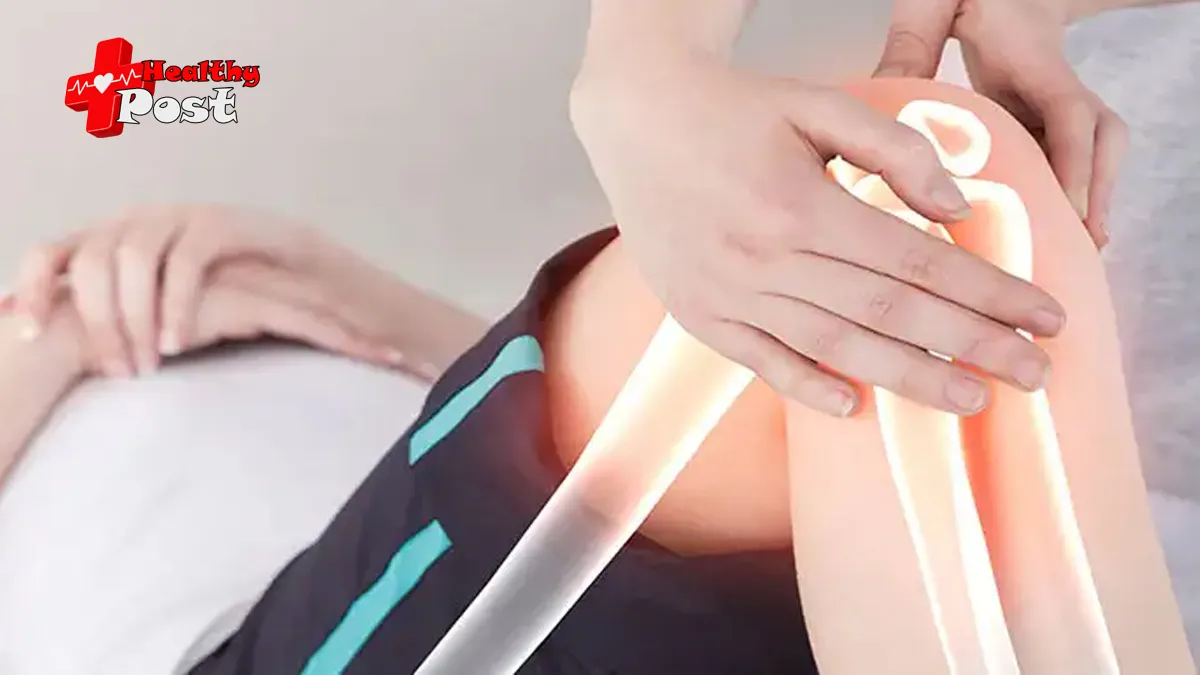
With proper orthopedic rehabilitation, you can return home safely and happily, and resume a vibrant life.
General Questions and Answers about Orthopedic Rehabilitation
Q: What is orthopedic rehabilitation?
A: Orthopedic diseases are often accompanied by pain and limited mobility, which can affect your daily work and life, and impact your athletic ability. The purpose of orthopedic surgery is to repair structural problems in the body, and the ultimate goal of orthopedic rehabilitation is to restore the body’s motor function . Therefore, in the treatment of orthopedic diseases, surgery is not the end; rehabilitation is just the beginning.
Q: What problems can orthopedic rehabilitation solve?
A: Proper, gradual, and standardized orthopedic rehabilitation can help alleviate pain and swelling after injury and surgery, prevent complications caused by limited postoperative activity such as thrombosis , muscle atrophy, and joint stiffness, gradually relieve mobility restrictions, maximize limb function recovery, and allow you to confidently return to work and life. Furthermore, through intensive rehabilitation training, it minimizes the sequelae of orthopedic diseases , prevents recurrence, and helps you return to an active and healthy lifestyle.
Q: When should I start orthopedic rehabilitation?
A: The earlier the better.
- Early postoperative rehabilitation yields twice the results with half the effort.
- Missing the optimal time for rehabilitation will make all the effort less effective.
- Post-operative rehabilitation should begin as early as possible under the doctor’s permission and proper guidance, even before the surgery. It can start as early as the day of surgery and as late as 4-6 weeks post-surgery, with the first three months being the optimal period for orthopedic rehabilitation. Missing this optimal time may lead to muscle and tendon contractures, joint stiffness, and ultimately, partial loss of function.
- What are the processes involved in orthopedic rehabilitation? What should be done in each process?
You are the most important participant in the orthopedic rehabilitation process.
Phase One – Controlling Symptoms and Preventing Complications:
When you have just been injured or undergone surgery, you will often experience discomfort such as pain, swelling, and inflammation. At this time, the injured area will be immobilize post-surgery. Orthopedic rehabilitation at this stage addresses the issues of symptom control and prevention of complications, requiring your active participation to ensure effectiveness.
- Symptom control: Relieves pain and swelling through instrument-based treatments, and promotes circulation through active or passive limb movements.
- Prevention of complications: Exercises to activate joints and muscles near the injury site can prevent joint stiffness, slow muscle atrophy , and prevent thrombosis .
Phase Two – Protective Basic Rehabilitation Training:
After the first phase of standardized rehabilitation, most of the symptoms have been relieved, and the injured area has gradually healed and repaired. However, due to the immobilization after the injury and surgery, muscle atrophy and reduced range of motion in the injured area are inevitable. You should begin gentle, protected basic rehabilitation of the injured area as soon as possible, under the guidance of your doctor and nurse/rehabilitation therapist. This stage requires your active participation, appropriate and sufficient dosage, and timely feedback on any discomfort to ensure safety and effectiveness.
- Promote fracture healing: Instrumental therapy can be used to assist muscle training and blood circulation.
- Muscle recovery: Restore muscle strength in the injured area through painless isometric muscle training.
- Joint mobility rehabilitation: joint mobility training within a pain-free range at the injured site, etc.
- Functional activity training: early protected bed-getting training, daily living skills training, etc.
Phase Three – Removal of Activity Restrictions and Enhancement of Limb Function:
After the second phase of basic rehabilitation and repair and healing of the injured area, the injured area can gradually begin to be active. As the limitations on movement gradually ease and limb function gradually returns, taking the lower limb injury as an example, the process should begin with weight-bearing, gradually transitioning to walking with assistive devices, then to independent walking, and eventually to squatting, running, and jumping. As the functional difficulty increases, the basic requirements also change, requiring a steady and methodical approach. Doctors and nurses/ rehabilitation therapists will determine the standards for advancing functional activities based on your condition. Your active participation at this stage is a key factor in successful rehabilitation, and you should also begin to gradually plan for returning to family and work.
- Advanced rehabilitation training includes muscle strength training , balance training , and joint mobility and flexibility training to strengthen the foundation.
- Corrective rehabilitation: using manual therapy, stretching and relaxation therapy, and instrument therapy to make up for deficiencies.
- Advanced functional activity training: Progression of functional activities of varying difficulty, such as walking training, gait training , stair climbing training, and even running training and jumping training .
Phase Four – Intensive Rehabilitation Training to Prevent Re-injury:
Through the third phase of functional strengthening training, you have begun to gradually return to work and life. However, rehabilitation continues to minimize the sequelae of orthopedic diseases and prevent further injury to other parts of the body.
- Strengthening deficiencies: By strengthening rehabilitation, we can make up for the deficiencies in the injured area and bring the injured limbs and uninjured limbs into balance.
- Overall physical function enhancement: Strengthening the body’s functions through exercise under the guidance of a professional rehabilitation therapist .
Throughout the rehabilitation process for orthopedic diseases, we advise you to follow these principles: gradual progress, active participation, individualized approach, and comprehensive rehabilitation.

3 Comments
Pingback: Sleeping Positions After Total Hip Replacement: Safe Sleep Guide 2026
Pingback: Orthopedic Bone Screws: 7 Facts About Titanium Bone Screws and Plates
Pingback: Knee Support Meniscus Injury: Best Braces and Recovery Guide