

Clinical Authorship & Verification
This article has been written by Dr. Himanshu Gupta (Orthopedics & Robotics, Amicare Hospital ↗), specializing in joint reconstruction and fixation hardware.
Medical Disclaimer: The information on Healthy Post is for educational and informational purposes only and does not constitute medical advice. The selection and implementation of hardware like titanium orthopedic bone screws and plates depend strictly on individual fracture patterns and surgical demands. Always consult your orthopedic specialist for personalized imaging reviews, hardware management strategies, or post-operative healing assessments.
🏥 Medical Review Board Member
Dr. Himanshu Gupta
Orthopedic Specialist | Amicare Hospital (Ghaziabad, India)
Dr. Himanshu Gupta is a distinguished medical professional with over 20 years of expertise in orthopedics and joint replacement surgery. As the Chief Orthopedic and Director at Amicare Hospital, he specializes in advanced robotic-assisted procedures and sports injury management, dedicated to enhancing mobility and quality of life for his patients. Dr. Gupta is committed to bridging the gap between complex surgical clinical practice and accessible, evidence-based patient education. His rigorous approach to medical oversight ensures that every piece of content he reviews meets the highest standards of clinical accuracy, safety, and reliability.
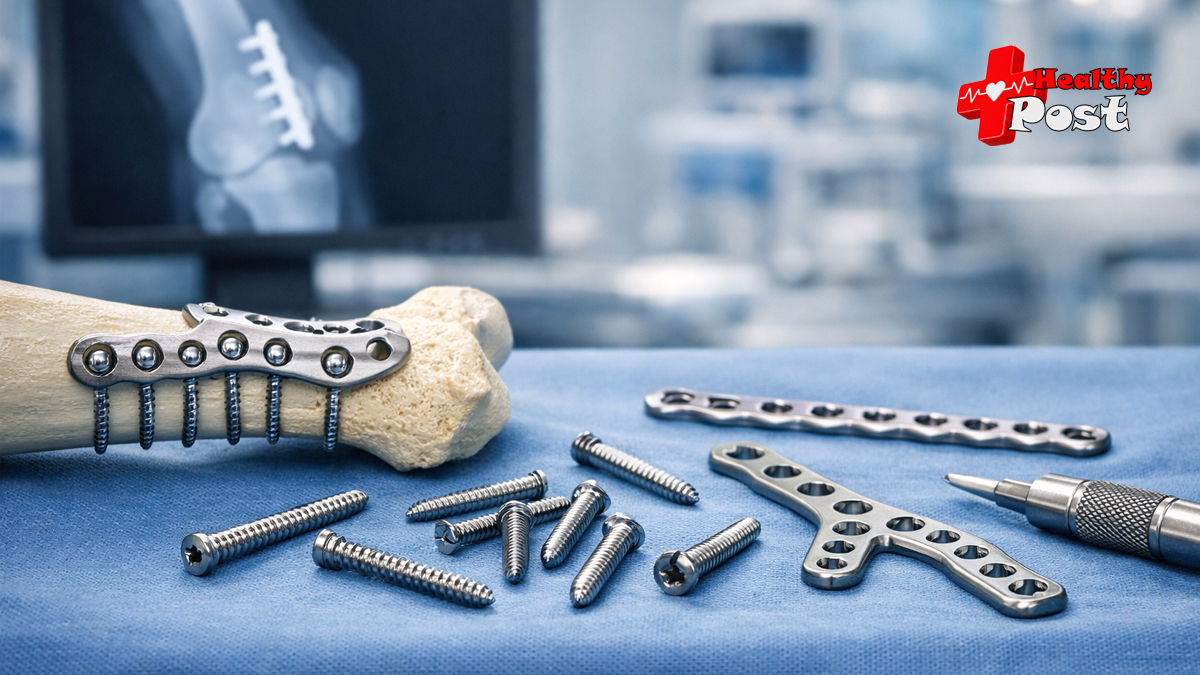
When I first started studying how orthopedic bone screws are used in trauma and reconstructive care, I was struck by one simple truth: tiny implants often decide whether a patient walks comfortably again or struggles through a long recovery. These devices may look small, but they carry enormous responsibility. They stabilize fractures, support healing, and help surgeons rebuild damaged joints and bones with precision.
Today, the field is moving fast. Traditional metal fixation still matters, but newer titanium bone screws, bioabsorbable designs, and smart implant technologies are changing what recovery can look like. In my experience, patients are often less worried about the surgery itself than about what comes after it. Will the bone heal well? It will another operation be needed? Will the implant cause discomfort later? These are fair questions, and modern screw technology is answering them in impressive ways.
If you are exploring fracture care, implant materials, or the future of bone screws and plates, this guide breaks it down clearly and practically.
1. Orthopedic bone screws are the backbone of fracture fixation
At the most basic level, orthopedic screws are medical implants used to hold bone fragments together. Surgeons also use them to attach plates, stabilize the spine, and secure prosthetic components. Without them, many fractures would heal poorly or in the wrong position.
I often explain these implants with a simple analogy. A broken bone is like a cracked wooden frame. If the pieces shift, the structure weakens. Screws act like internal fasteners, keeping everything aligned while the body repairs itself.
Common uses of bone screws
- Fracture fixation in arms, legs, hands, and feet
- Support for bone screws and plates in complex breaks
- Spinal stabilization procedures
- Sports medicine repairs, including tendon and ligament reattachment
- Reconstructive and joint-related surgeries
This matters because stable fixation directly affects healing time. When the bone ends stay properly aligned, the body can build new bone more efficiently.
Patients recovering from trauma often also need broader education around Orthopedic Diseases and orthopedic rehabilitation after surgery. Fixation is only one part of the healing story.
2. What are bone screws made of? Material choice changes outcomes
One of the most common questions I hear is: what are bone screws made of? The answer depends on the surgical goal, the patient’s anatomy, and the expected healing timeline.
Historically, stainless steel was widely used. It is strong and durable, but it has limitations. Over time, surgeons and manufacturers shifted toward titanium because it offers a better balance of strength, corrosion resistance, and body compatibility.
Main materials used today
Stainless steel
Stainless steel remains in use because it is cost-effective and mechanically reliable. However, it can be heavier than titanium and may create more imaging interference.
Titanium
Titanium bone screws are now considered the gold standard in many orthopedic settings. The Titanium is lightweight, highly biocompatible, resistant to corrosion, and generally MRI-compatible. In my experience, titanium also earns trust because it performs well across trauma, spine, and reconstructive cases.
For a broader evidence-based overview of implant materials, the American Academy of Orthopaedic Surgeons offers reliable patient education.
Bioabsorbable alloys
Magnesium-based and zinc-based composite screws are gaining attention. These are designed to slowly dissolve as the bone heals. That can reduce the need for removal surgery later.
Smart implant materials
Some newer designs combine traditional structure with advanced coatings, sensors, or drug-delivery features. These are not yet universal, but they signal where orthopedic innovation is heading.
3. Titanium bone screws remain the most trusted option
Among all modern implants, titanium bone screws continue to stand out for practical reasons. They are strong without being excessively rigid. They resist rust and corrosion. Titanium bone screws are also gentler on imaging than some older alternatives.
I have noticed that titanium becomes especially valuable in patients who may need follow-up scans, long-term fixation, or lower risk of adverse tissue reactions. This is one reason hospitals and trauma centers increasingly prefer titanium in demanding cases.
Why titanium performs so well
- Excellent biocompatibility
- Lower corrosion risk
- Strong but relatively lightweight
- Better compatibility with MRI and other imaging
- Useful across fracture, spine, and reconstructive applications
There is also a patient comfort factor. While every surgery is different, implants that integrate well with the body usually create fewer long-term concerns.
The science behind biocompatibility and implant safety is also reflected in resources from the U.S. Food and Drug Administration, especially for regulated implantable devices.
4. Bone screws and plates work best as a team
In many fractures, screws alone are not enough. Surgeons often combine bone screws and plates to create rigid support across a break. The plate acts like an external bridge placed inside the body. The screws anchor that bridge to stable bone.
This is common in:
- Forearm fractures
- Clavicle injuries
- Complex ankle fractures
- Facial and jaw reconstruction
- Periarticular fractures near joints
I have seen how this combination improves alignment in unstable fractures. A plate spreads force across the bone, while screws maintain secure fixation. Together, they reduce unwanted motion and support more predictable healing.
Traditional vs modern fixation systems
| Feature | Traditional Systems | Modern Systems |
|---|---|---|
| Material | Mostly stainless steel | Titanium, coated alloys, bioabsorbables |
| Removal need | Often required in some cases | May be avoided with absorbable options |
| Bone compression control | Limited in older designs | Improved precision and stability |
| Infection prevention | Standard sterile design | Drug-releasing research is emerging |
| Healing monitoring | No built-in tracking | Smart sensors are under development |
This evolution is especially important in high-risk patients. For example, poor circulation or delayed healing may overlap with conditions such as Avascular Necrosis and Treatment. In such cases, fixation planning becomes even more critical.
5. Bioabsorbable screws may eliminate second surgeries
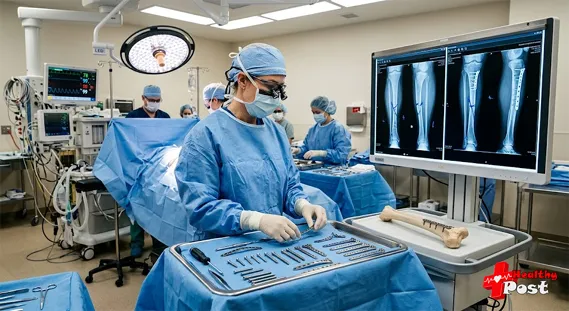
One of the most exciting shifts in orthopedic care is the rise of absorbable fixation. These screws are designed to hold bone during healing and then gradually degrade inside the body. That means some patients may avoid a second operation for hardware removal.
This is a major step forward, especially for younger patients, athletes, and people living far from surgical centers.
Why absorbable screws matter
- No planned hardware removal in many cases
- Less long-term implant burden
- Better fit for certain sports medicine procedures
- Healing timeline can align with gradual material breakdown
In practice, bioabsorbable implants are not yet right for every fracture. Surgeons still need strong evidence for each use case. Mechanical strength, degradation speed, and inflammatory response must all be carefully managed.
Still, the direction is promising. Reports from global orthopedic markets show strong growth in this category, especially in Asia-Pacific regions where aging populations and sports injuries are increasing.
For market and device trend context, Grand View Research orthopedic devices market provides industry analysis relevant to adoption patterns.
6. Smart screws are reshaping the future of orthopedic surgery
Smart screws sound futuristic, but they are already moving from concept to clinical relevance. These advanced implants may include sensors that measure healing progress, pressure changes, or local stability. Some are being designed to release antibiotics or anti-inflammatory agents directly at the surgical site.
I find this especially compelling because it shifts implants from passive hardware to active tools. Instead of simply holding bone together, the implant may help guide treatment.
Emerging smart features
- Sensors that monitor load and healing
- Coatings that reduce bacterial growth
- Drug-release systems for infection control
- Designs that reduce insertion friction and heat
Heat damage is an underappreciated challenge. During drilling and insertion, excess heat can injure bone tissue. Skilled surgeons manage drilling speed, pressure, and irrigation carefully to lower this risk.
This innovation could be especially useful in trauma centers where infection prevention is a constant concern. It also opens new discussions around personalized recovery plans and data-driven postoperative monitoring.
Patients with chronic back pain after trauma may also be learning about Dorsalgia Causes and Treatment. In these cases, spinal fixation technology and rehabilitation planning often go hand in hand.
7. Challenges still exist, but progress is clearly improving patient outcomes
Despite all the innovation, orthopedic implants are not perfect. Cost remains a major barrier. Titanium is more expensive than stainless steel. Smart implants cost even more. Bioabsorbable devices need rigorous validation before they can be used broadly.
Current challenges
- Higher material and manufacturing costs
- Need for long-term outcome studies
- Regulatory approval hurdles
- Technique sensitivity during insertion
- Risk of loosening, infection, or nonunion in difficult cases
Even so, the overall direction is positive. Better materials reduce complications. Smarter designs improve compression and stability. Absorbable options may spare patients another surgery. In many settings, that means faster recovery, fewer setbacks, and lower long-term burden.
In Pakistan and similar healthcare markets, I believe affordable titanium bone screws will continue gaining importance in trauma care. They offer a realistic middle ground between performance and accessibility. Over time, bioabsorbable options may also become cost-effective when total treatment costs are considered.
Practical signs patients should discuss with their surgeon
If you or a loved one is facing orthopedic fixation, these are reasonable questions to ask:
- What material will be used and why?
- Will I need future hardware removal?
- Are bone screws enough, or will plates be needed?
- How long will healing likely take?
- What are the infection and loosening risks?
- What rehabilitation plan should I follow?
In my experience, better questions lead to better recovery expectations. Patients do best when they understand both the implant and the rehab plan.
To learn more about our commitment to accuracy, meet the experts on our Medical Review Board.
FAQs
1. What are bone screws made of?
Bone screws are commonly made from stainless steel, titanium, or newer bioabsorbable alloys like magnesium composites. Titanium is often preferred for biocompatibility and strength.
2. Are titanium bone screws safe?
Yes. Titanium bone screws are widely considered safe and effective. They resist corrosion, work well with the body, and are commonly used in fracture and spine surgery.
3. Do bone screws and plates need to be removed?
Not always. Some implants stay in place permanently if they cause no problems. Others are removed due to pain, irritation, or surgical goals. Bioabsorbable options may dissolve naturally.
4. Are bone screws used only for fractures?
No. Surgeons use them in spinal surgery, sports medicine, reconstruction, and joint-related procedures. They are essential in many orthopedic treatments.
5. Can orthopedic bone screws cause complications?
Yes, but complications are not inevitable. Risks include infection, loosening, heat-related bone damage, and delayed healing. Proper technique and follow-up reduce these risks.
6. What should I do after surgery with orthopedic implants?
Follow your surgeon’s recovery plan closely. Learn about orthopedic rehabilitation after surgery, watch for swelling or fever, and discuss related conditions like Orthopedic Diseases if healing seems delayed.
Conclusion
The story of orthopedic bone screws is really a story of modern healing. These small implants do far more than hold bone together. They shape alignment, stability, comfort, and long-term recovery. Today, titanium bone screws remain the most trusted option for many surgeons because they combine safety, strength, and biocompatibility. At the same time, absorbable implants and smart technologies are expanding what is possible.
If you are comparing options for bone screws and plates, focus on three things: material, purpose, and long-term recovery. I always encourage patients to understand not just the implant, but the full treatment path. That includes imaging, rehabilitation, and related issues such as Dorsalgia Causes and Treatment or Avascular Necrosis and Treatment when relevant.
The future of orthopedic care looks more precise, less invasive, and more patient-centered. That is a welcome shift for surgeons and patients alike.
References
- American Academy of Orthopaedic Surgeons. OrthoInfo. https://orthoinfo.aaos.org/
- U.S. Food and Drug Administration. Medical Devices. https://www.fda.gov/medical-devices
- Grand View Research. Orthopedic Devices Market. https://www.grandviewresearch.com/industry-analysis/orthopedic-devices-market
5 Comments
Pingback: Sleeping Positions After Total Hip Replacement: Safe Sleep Guide 2026
Pingback: Why Does My Knee Click But No Pain? 5 Harmless Causes
Pingback: Radial Tunnel Syndrome: Symptoms, Diagnosis & 2026 Treatment Guidelines
Pingback: Knee Support Meniscus Injury: Best Braces and Recovery Guide
Pingback: Skull Punch: What Is This Neurosurgical Instrument Used For?