

Medical Disclaimer: This content is for informational and educational purposes only and does not constitute professional medical advice, diagnosis, or treatment. Always seek the advice of your physician or other qualified health provider with any questions you may have regarding a medical condition.
Written by Dr. Himanshu Gupta (Orthopedics & Robotics, Amicare Hospital ↗).

🏥 Medical Review Board Member
Dr. Himanshu Gupta
Orthopedic Specialist | Amicare Hospital (Ghaziabad, India)
Dr. Himanshu Gupta is a distinguished medical professional with over 20 years of expertise in orthopedics and joint replacement surgery. As the Chief Orthopedic and Director at Amicare Hospital, he specializes in advanced robotic-assisted procedures and sports injury management, dedicated to enhancing mobility and quality of life for his patients. Dr. Gupta is committed to bridging the gap between complex surgical clinical practice and accessible, evidence-based patient education. His rigorous approach to medical oversight ensures that every piece of content he reviews meets the highest standards of clinical accuracy, safety, and reliability.
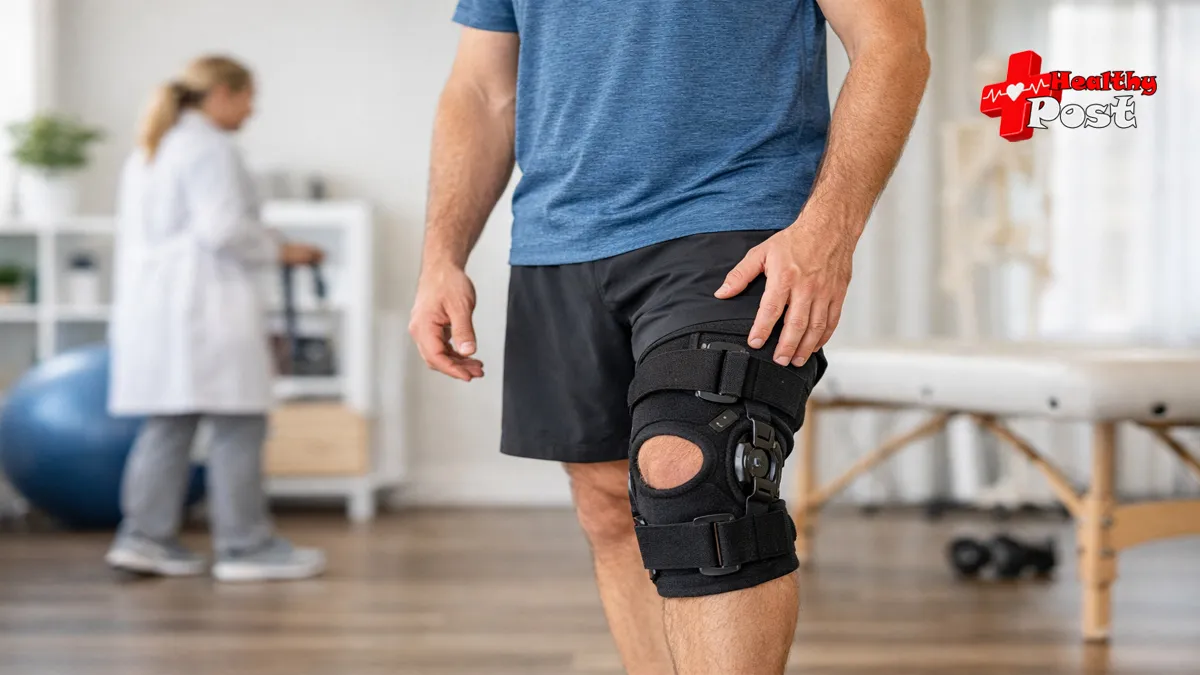
A meniscus injury can make ordinary movement feel unpredictable. One wrong twist getting out of a car, one awkward squat at the gym, and suddenly the knee feels swollen, sharp, or unstable. In our clinical editorial work, we see this often: people start searching for the right knee support meniscus injury options long before they understand what kind of brace, sleeve, or rehab plan actually fits their situation. That confusion is understandable. The best support depends on whether you need pain relief, joint stability, swelling control, or protection during recovery.
The meniscus is a C-shaped piece of cartilage that cushions the knee joint. Each knee has two. When one is torn or irritated, symptoms may include swelling, locking, clicking, stiffness, and pain with twisting or deep bending. Some tears settle with conservative care. Others need imaging, specialist review, or surgery. Most studies agree that the first step is not always an operation. Many cases improve with structured rehab, activity changes, and the right brace or sleeve used for the right reason.
If you have also been exploring related knee and orthopedic topics such as Knee Click But No Pain, orthopedic rehabilitation after orthopedic surgery?, or Benefits of PEEK Plate Surgery, this guide will help place meniscus care in a practical, real-world context.
1. Why the Right Knee Support Matters
Not all knee supports do the same job. This is where many people lose time and money.
A brace may help reduce side-to-side motion. A sleeve may help with swelling and body awareness. A wrap may offer adjustable compression when the knee size changes during the day. In practice, patients tend to do best when the support matches the stage of injury rather than chasing the most rigid product on the market.
The main goals of support are simple:
- Reduce pain during walking or standing
- Limit movements that aggravate the tear
- Control swelling
- Improve confidence during rehab
- Protect healing tissue after a procedure
That said, a brace is not a cure. It supports recovery. It does not replace muscle strength, load management, or proper diagnosis.
Common symptoms that suggest a meniscus problem
The symptoms of a torn meniscus may vary, but common patterns include:
- Pain along the inner or outer joint line
- Swelling that appears over several hours
- Clicking, catching, or a locked knee
- Pain with pivoting or deep squatting
- A sense that the knee may give way
If the knee is truly locked, severely swollen, or you cannot bear weight, prompt medical assessment is sensible.
2. Best Knee Braces for Meniscus Injury
When people ask about the best knee brace for torn meniscus, the honest answer is: it depends on what the knee is doing today.
Soft wraparound braces
These are often the most practical starting point for mild to moderate symptoms. They use Velcro straps, allow adjustment, and can accommodate swelling better than a tight pull-on sleeve.
Best for:
- Early swelling
- Light support during daily activity
- People who want easy on-and-off use
Clinical note: wraparound designs are often better tolerated in older adults or anyone with fluctuating swelling.
Compression sleeves
A compression sleeve for meniscus tear is useful when the main issues are mild swelling, warmth, and poor confidence with movement. Sleeves do not provide major structural control, but they can improve proprioception, which is the brain’s awareness of joint position.
Look for:
- Graduated compression around 15-20 mmHg
- Breathable nylon-spandex blends
- Anti-slip grips
- Optional patella gel ring or light side stabilizers
Products commonly discussed by patients include NEENCA Professional Knee Brace, Modvel Compression Knee Brace, and EXOUS BODYGEAR Knee Sleeve. Product fit matters more than branding alone.
Hinged braces
A hinged knee brace for stability can help when the knee feels wobbly, when there is combined ligament irritation, or after surgery. Hinges offer more side-to-side control than sleeves.
Best for:
- Moderate tears with instability
- Return to walking after acute injury
- Post-operative phases guided by a clinician
Examples often mentioned in sports medicine settings include DonJoy Performance Bionic and Shock Doctor Hinged Knee Brace.
Unloader braces
An unloader brace for knee pain shifts pressure away from the damaged side of the joint. These are more common in chronic meniscal damage, arthritis overlap, or ongoing weight-bearing pain.
Best for:
- Degenerative meniscus problems
- Chronic compartment pain
- Older adults with arthritis-related overload
Examples include Ossur Unloader One and Breg Fusion OA.
3. Brace Comparison Table: What Fits Your Recovery Stage?
Here is a practical side-by-side view for knee support meniscus injury choices.
| Brace Type | Key Features | Best For | Example Products |
|---|---|---|---|
| Compression Sleeve | Lightweight, breathable, mild swelling control, improves proprioception | Mild tears, daily wear, early rehab | NEENCA Professional Knee Brace, Modvel Compression Knee Brace |
| Wraparound Brace | Adjustable straps, flexible compression, easier with swelling | Fluctuating swelling, walking support, light protection | McDavid Knee Support, Vive Adjustable Brace |
| Hinged Brace | Side stabilizers, stronger structure, better lateral control | Moderate tears, instability, post-op rehab | DonJoy Performance Bionic, Shock Doctor Hinged Knee Brace |
| Unloader Brace | Redistributes weight away from painful compartment | Chronic pain, degenerative tears, arthritis overlap | Ossur Unloader One, Breg Fusion OA |
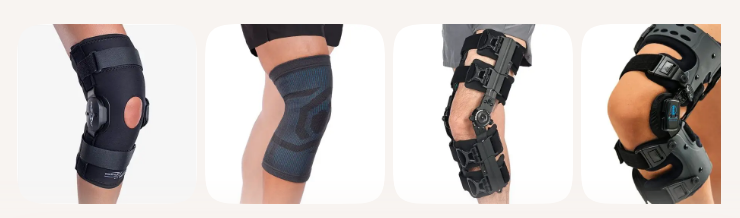
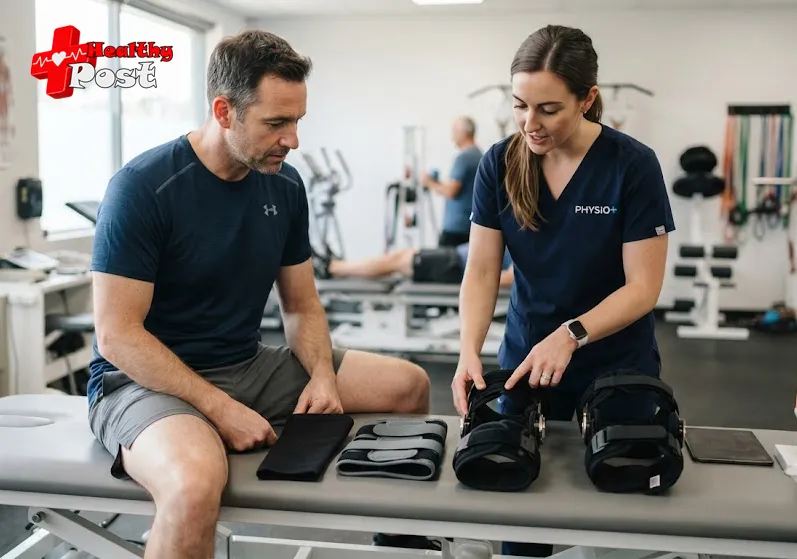
A simple rule helps here: if swelling is the main issue, think sleeve or wrap. If instability is the issue, think hinge. If weight-bearing pain dominates, consider unloader-style support after professional assessment.
4. Non-Surgical Meniscus Tear Treatment: What Usually Helps
Many people improve without an operation. That is why non-surgical meniscus tear treatment remains a common first-line approach, especially for small tears, degenerative tears, or injuries without true locking.
Start with the RICE approach
The RICE protocol for knee injury still has value in the early phase:
- Rest from twisting, pivoting, and deep knee bend
- Ice for short intervals
- Compression to limit swelling
- Elevation when practical
This does not fix the tear itself, but it may help settle inflammation enough to begin rehab.
Medication
Short-term use of NSAIDs such as ibuprofen or naproxen may help reduce pain and swelling for some patients, if medically appropriate. These should be used with care, especially in people with stomach, kidney, or cardiovascular concerns.
Physical therapy
In our review of patient recovery patterns, physical therapy for torn meniscus is often the turning point. A knee that is less painful but still weak remains vulnerable.
A solid rehab plan usually targets:
- Quadriceps strength
- Hamstring control
- Hip stabilizers
- Balance and coordination
- Gradual return to load
Low-impact cardio such as cycling, pool work, or walking on flat ground may also help maintain conditioning.
Injections
For selected patients, corticosteroid injections may reduce short-term inflammation. PRP, or platelet-rich plasma, is sometimes discussed for degenerative tears, though evidence remains mixed. Hyaluronic acid is less central for isolated meniscus injury but may appear in arthritis-related cases.
Activity modification
This matters more than many people expect.
During early non-surgical meniscus tear management, reduce:
- Deep squats
- Kneeling under load
- Pivoting sports
- Sudden directional changes
- Repetitive stair overloading if painful
This is also where adjacent orthopedic knowledge helps. Readers interested in Orthopedic Bone Screws or orthopedic rehabilitation after orthopedic surgery? often benefit from understanding that tissue healing always depends on load control, not just equipment.
5. Recovery Time for Knee Meniscus Injury
The recovery time for knee meniscus injury depends on the tear type, location, treatment path, and the person’s overall health.
Most studies agree that the outer edge of the meniscus has a better blood supply and therefore better healing potential than the inner portion.
Typical timelines
- Small tears with conservative care: 4 to 8 weeks
- Moderate tears with structured rehab: up to 3 months
- Partial meniscectomy: around 4 to 6 weeks for many daily activities and some sport progression
- Meniscus repair surgery: 3 to 6 months, sometimes longer for complex cases
What changes the timeline?
- Tear location
- Tear size and pattern
- Age
- Baseline fitness
- Body weight and activity demands
- Consistency with rehab
- Presence of ligament injury or arthritis
A 28-year-old recreational runner with a small outer-edge tear may recover much faster than a 58-year-old with degenerative cartilage wear and recurring swelling.
6. Step-by-Step Rehab Plan for a Torn Meniscus
A good brace helps. Rehab does the heavier lifting. Thoughtful torn meniscus recovery exercises can improve mobility, stability, and trust in the knee again.
Phase 1: Early recovery, weeks 1-2
Goals:
- Reduce swelling
- Protect the meniscus
- Restore gentle motion
Exercises:
- Heel slides
- Quad sets
- Straight leg raises
Example: one patient in our clinical content review described being unable to descend stairs normally during week one. After consistent swelling control and quad activation, stair confidence improved before pain fully disappeared. That pattern is common.
Phase 2: Strengthening, weeks 3-6
Goals:
- Improve muscle support
- Restore range
- Build controlled loading
Exercises:
- Mini squats to shallow depth
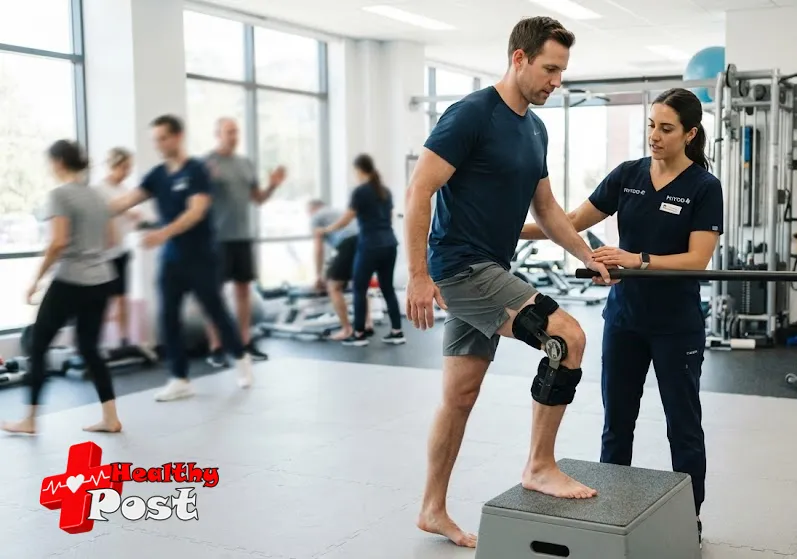
- Step-ups on a low platform
- Clamshells for hip support
A brace may still help here, especially if you are using a compression sleeve for meniscus tear during longer walks or a hinged brace when instability persists.
Phase 3: Advanced control, weeks 6-12
Goals:
- Improve balance
- Restore functional strength
- Prepare for normal activity
Exercises:
- Single-leg balance
- Shallow lunges
- Resistance band side steps
This phase is where conservative treatment for meniscus tear often succeeds or fails. Patients who progress too fast tend to trigger swelling. Patients who never increase load tend to stay weak.
Phase 4: Return to sport or higher activity, 3-6 months
Goals:
- Restore confidence
- Rebuild endurance
- Reintroduce cutting, jogging, or sport-specific movement
Exercises:
- Gradual jogging progression
- Light agility drills
- Sport-specific retraining
This stage should be individualized. A warehouse worker, a tennis player, and a desk-based office worker place very different demands on the knee.
7. Mistakes We See Most Often
The same problems come up repeatedly in meniscus recovery.
Using too much brace, too soon, for too long
Support can help. Over-reliance can delay muscle retraining. The goal is to use the brace as a bridge, not a permanent substitute for function.
Ignoring swelling after exercise
Pain matters. Swelling matters too. A knee that balloons after activity is telling you the load was not well tolerated.
Returning to twisting sports too early
Many patients walk comfortably before they are ready to pivot, cut, or squat deeply. That gap can be misleading.
Assuming every click means damage
Not all clicking is serious. Some readers who worry about meniscus tears may actually be dealing with benign movement patterns more like Knee Click But No Pain rather than an unstable cartilage tear. Context matters.
8. When to See a Clinician Quickly
Seek medical review sooner if:
- The knee locks and cannot fully straighten
- Pain is severe after a twist or squat
- Swelling is rapid and significant
- The knee repeatedly gives way
- Symptoms persist despite a few weeks of careful rehab
- You have fever, redness, or calf swelling
An MRI is not always needed immediately, but it may become useful if the diagnosis remains unclear or surgery is being considered.
FAQs
1. What is the best knee support meniscus injury option for everyday walking?
For mild symptoms, a compression sleeve or wraparound brace is often enough. If the knee feels unstable, a hinged brace may be more appropriate.
2. Is a compression sleeve for meniscus tear enough on its own?
Sometimes, yes. It may help with swelling and confidence during movement. But it does not replace physical therapy for torn meniscus or activity modification.
3. How long is the recovery time for knee meniscus injury without surgery?
Mild tears may improve in 4 to 8 weeks. Moderate injuries often take closer to 3 months. Recovery is usually faster when patients follow a structured rehab plan consistently.
4. What does non-surgical meniscus tear treatment usually include?
It often includes the RICE protocol for knee injury, anti-inflammatory medication when suitable, strengthening work, and gradual return to activity. This is the foundation of non-surgical meniscus tear management.
5. Can I exercise with a torn meniscus?
Usually, yes, but the exercise must match the stage of healing. Early torn meniscus recovery exercises focus on motion and muscle activation, not twisting or deep squats.
6. Are there related orthopedic topics worth understanding during recovery?
Yes. People navigating injury decisions often benefit from broader context around Benefits of PEEK Plate Surgery, Orthopedic Bone Screws, and orthopedic rehabilitation after orthopedic surgery?, especially when comparing conservative care with operative pathways.
Conclusion
Choosing the right knee support meniscus injury strategy is less about finding a miracle brace and more about matching the support to the problem in front of you. Compression sleeves can help manage swelling. Wraparound braces offer flexible day-to-day support. Hinged braces may improve stability. Unloader braces can reduce load in more chronic cases. Alongside that, non-surgical meniscus tear treatment, thoughtful rehab, and realistic pacing remain the core of recovery.
In our medical editorial experience, the people who recover best usually do three things well: they protect the knee early, strengthen it steadily, and avoid rushing back into painful twisting movements. If your symptoms are persistent, worsening, or mechanical, a clinician should assess the knee directly. For many readers, though, the right plan starts with simple, evidence-aligned support and a better understanding of what healing actually looks like.
For readers exploring the broader recovery picture, topics like Knee Click But No Pain and orthopedic rehabilitation after orthopedic surgery? can also help clarify what is normal, what is not, and when specialist review becomes important.
1 Comment
Pingback: Top 5 Mistakes After Knee Replacement: Critical Errors to Avoid