

Medical Oncology Review & Editorial Verification
This public health guide focusing on the early detection and warning signs of colorectal cancer was fully reviewed, fact-checked, and clinically verified by Dr. Kamlesh Verma, MS, M.Ch. All editorial insights conform strictly to global oncological screening protocols and the American Society of Clinical Oncology standards.
Medical Disclaimer: The clinical signs outlined in this overview are intended solely for educational awareness and early symptom recognition. Early-stage large intestine neoplasms frequently develop silently without any obvious discomfort. This guide does not replace a physical assessment or specialized diagnostic testing. Always consult a qualified gastroenterologist, oncologist, or primary healthcare provider immediately if you experience persistent bowel changes, rectal bleeding, or unexplained weight loss.

🏥 Medical Review Board Member
Dr. Kamlesh Verma, MS, M.Ch
Director – Surgical Oncology | Max Super Speciality Hospital, Lucknow
Dr. Kamlesh Verma is a highly experienced Surgical Oncologist and Director of Surgical Oncology at Max Super Speciality Hospital, Lucknow. Trained at premier institutions including the Tata Memorial Centre in Mumbai and King George’s Medical University (KGMU), Dr. Verma specializes in advanced minimally invasive, robotic, and complex cancer surgeries. He is deeply committed to evidence-based oncology care, ensuring that every cancer-related publication he reviews meets the highest standards of medical accuracy, safety, and clinical integrity.
Colorectal cancer is not only targeting the elderly, but also the young. Experts say that in recent years, the number of people suffering from colorectal cancer in China has been increasing year by year, but good detection and prevention work can keep it out!
According to the 2016 big data research report on the analysis of malignant tumor incidence and mortality in my country, there are 331,000 new cases of colorectal cancer in my country each year, and the incidence rate ranks fourth among all malignant tumors; 159,000 patients die from the disease each year, and the mortality rate ranks fifth among cancer causes of death. Below is five early signs of colorectal cancer
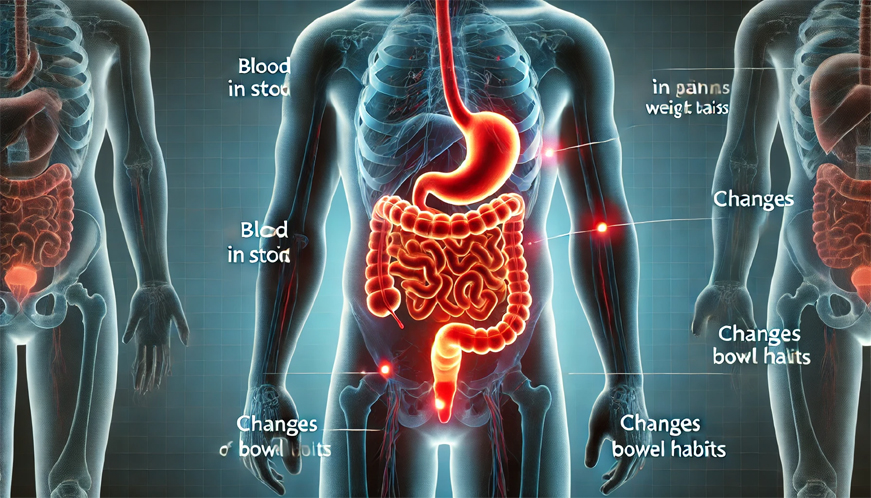
Changes in bowel habits
Due to the stimulation of tumor growth, patients may have an increase in the number of bowel movements without obvious causes in a short period of time, or may experience alternating constipation and diarrhea, which usually contains mucus. In addition, there may be a feeling of incomplete defecation and tenesmus .
Blood in the stool
There is obvious bleeding during defecation, the amount is small and accompanied by mucus. If there is an infection, there will be pus and blood in the stool . This kind of blood in the stool is mostly bright red or dark red and does not mix with the stool.
Abdominal pain, anal pain
Early patients often experience intermittent dull pain in the left lower abdomen, which turns into continuous pain in the late stage, which is paroxysmal and gradually worsens. If the tumor is located near the anus, it may also manifest as anal pain.
Feeling of tenesmus
When colorectal cancer causes an increase in the frequency of bowel movements, it is often accompanied by a feeling of incomplete defecation or tenesmus. Tenesmus means that one’s intestines are uncomfortable and one wants to go to the toilet again, but nothing can come out.
Deformed stool
Colon cancer can also cause deformed stools, which may be in the shape of thin rods, flat ribbons, or dark brown.
There is a big difference between blood in the stool caused by hemorrhoids and blood in the stool caused by colon cancer
Blood in the stool is one of the most obvious early symptoms of anal malignant tumors. It is mainly because the stool is very easy to bleed after friction with the tumor. It manifests as blood on the surface of the stool, which is mostly bright red or dark red. The amount of blood is not necessarily large. It is easy for people to confuse blood with hemorrhoid bleeding.
Experts say that the symptoms of hemorrhoid bleeding are generally blood on toilet paper, or dripping blood, or bleeding in a spurt. However, no matter what the cause of the blood in the stool, a doctor must perform an anal examination or a simple anoscopy, which is very important for diagnosing colorectal cancer.
In fact, the development process of colorectal cancer generally takes 5 to 10 years, so you must pay attention to early physical examinations and prevention.
Eat more vegetables and less meat

Eat one pound of vegetables every day, half of which should be dark green leafy vegetables. Fresh vegetables are not only rich in vitamins, calcium, magnesium, potassium and other minerals, but also contain a lot of dietary fiber. Dietary fiber absorbs water and swells in the large intestine, stimulating intestinal peristalsis and having a laxative effect. Intestinal waste is discharged in time, avoiding the harm to the body caused by the reabsorption of a large amount of toxins.
Eat more whole grains
Eat half of the staple food as whole grains and potatoes. Firstly, the nutrients in whole grains and potatoes are much richer than refined staple foods. Secondly, the dietary fiber in whole grains and potatoes can serve as food for beneficial intestinal bacteria, which is beneficial to maintain the balance of intestinal flora and maintain intestinal health.

Eat less pickled and processed meat products
Processed meat products contain a lot of salt. Long-term excessive salt intake will increase the risk of high blood pressure and stomach cancer, and will also increase the burden on the kidneys. In addition, the nitrite contained in processed meat will combine with protein decomposition products such as amines to form a primary carcinogen, nitrosamines .
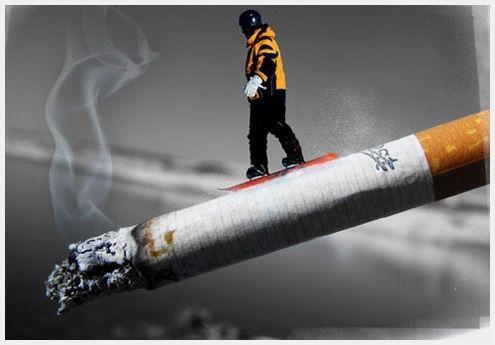
Don’t smoke, drink less
A good lifestyle is a beneficial aid to good health. The toxic substances in smoke will pass through the blood and increase the burden of detoxification in the body.

Balance eating and exercise to maintain a healthy weight
Do about 30 minutes of aerobic exercise every day, and it would be even better if you can do some strength training. People who sit for a long time have slow intestinal peristalsis, which will cause constipation over time and the intestines will lose vitality.
Proper weight loss
If you are overweight or obese, you need to lose weight. According to the American Cancer Foundation , for every inch (1 inch equals 2.54 cm) that your waist circumference exceeds the normal range, your risk of cancer increases eightfold.
Frequently Asked Questions About Early Colorectal Cancer Signs
1. What are the five most common early signs of colorectal cancer?
While early-stage colorectal cancer can be completely silent, the five most frequently reported warning signs include: (1) persistent changes in bowel habits like long-lasting diarrhea or constipation, (2) rectal bleeding or bright red blood mixed into the stool, (3) ongoing abdominal discomfort such as frequent cramping, gas, or pain, (4) a constant feeling that your bowel doesn’t empty completely, and (5) unexplained, unintentional weight loss combined with chronic fatigue.
2. Does blood in the stool always mean you have colorectal cancer?
No, seeing blood in your stool does not automatically mean you have cancer. Rectal bleeding can be caused by several benign, highly treatable conditions, such as hemorrhoids, anal fissures, or inflammatory bowel disease (IBD). However, because blood in the stool is also the most common early warning sign of a malignant tumor, it should never be ignored and must be evaluated by a medical professional right away.
3. Why can a tumor in the colon cause chronic fatigue or weakness?
As a colorectal tumor grows, it can cause slow, microscopic bleeding into the digestive tract over a long period. While this bleeding might be invisible to the naked eye, the continuous loss of blood eventually depletes the body’s iron stores, leading to iron-deficiency anemia. This drop in red blood cells is what causes a person to feel unusually weak, short of breath, or chronically fatigued.
4. At what age should average-risk adults begin routine screening?
According to updated national oncology guidelines, adults at average risk should begin regular colorectal cancer screening at age 45. Screening methods—such as a colonoscopy or specialized at-home stool tests—are designed to find and remove precancerous growths (polyps) before they can ever develop into cancer, making prevention the most powerful tool available.

2 Comments
Pingback: Breast Size and Cancer Risk: Density vs Physical Volume Explained
Pingback: Endoscopy vs Colonoscopy: 7 Powerful Facts You Can’t Ignore