

10 Powerful Health Benefits of Lima Beans You Can’t Ignore
If you are trying to eat healthier without spending a lot, lima beans deserve a place in your kitchen. These mild, creamy legumes—also known as butter beans—have nourished people in the Americas for thousands of years and still fit perfectly into modern eating habits. From blood sugar balance to heart protection, they offer impressive health perks that many people overlook. 🌱
In this article, you will discover the top health benefits, their history, how to cook them safely, and simple ways to add them to everyday meals.
1. A Fascinating History: From Ancient Fields to Your Plate
Before talking about health benefits, it helps to know where these beans come from. Understanding their story can deepen your appreciation for every bite.
Scientific name: Phaseolus lunatus
Common names: Lima beans, butter beans
Ancient roots in the Americas
Lima beans are native to Mesoamerica and South America, with at least two separate domestication events:
- In the Andes (around 2000 BC), people cultivated large-seeded types.
- In Mesoamerica (around AD 800), smaller-seeded varieties were developed.
The Moche civilization of present-day Peru (AD 100–800) valued these beans so much that they appeared in their art and pottery. Later, during the Spanish Viceroyalty of Peru, these beans were exported worldwide from the port of Lima, giving them their modern name.
Today, you can find them almost everywhere—stored as dried lima beans, canned, frozen, or sometimes fresh in late summer and fall.
✅ Fun perspective: When you cook a simple lima beans recipe, you are sharing a food tradition that spans more than 3,000 years.
2. Impressive Nutritional Profile in Every Cup
One of the main reasons lima beans are so valuable is their rich nutrient content. They offer a strong combination of protein, fiber, and essential vitamins and minerals, while staying low in fat.
Key nutrients in 1 cup of cooked lima beans
| Nutrient | Amount (approx.) | Why it matters |
|---|---|---|
| Calories | 209 kcal | Provides steady energy |
| Protein | 12 g | Supports muscles and tissue repair |
| Carbohydrates | 40 g | Main fuel source for body and brain |
| Fiber | 9 g | Aids digestion and blood sugar control |
| Fat | 0.5–1 g | Naturally low in fat |
| Iron | ~23% DV | Essential for red blood cell function |
| Vitamin C | 19 mg | Antioxidant; supports immune system |
| Folate (Vitamin B9) | Significant | Critical for DNA synthesis and pregnancy |
| Manganese, Copper, Phosphorus | Present in useful amounts | Support metabolism, bones, and brain |
This balance makes them an excellent staple for plant-based diets, but they also complement meat or fish dishes very well.
3. Support Blood Sugar Control and Diabetes Management
Many people ask, “Are lima beans good for you if you have diabetes or prediabetes?” The answer is usually yes, when they are part of a balanced diet.
How they help regulate blood sugar
Lima beans have a low glycemic index, meaning they cause a slower rise in blood sugar. Several components work together:
- Soluble fiber forms a gel-like substance in the gut, slowing carbohydrate absorption.
- Resistant starch passes undigested into the large intestine, avoiding sharp blood sugar spikes.
- Protein helps moderate the blood sugar impact of meals.
This combination can support more stable energy levels and may help reduce long-term risks associated with high blood sugar.
Real-life example:
Someone with prediabetes might replace part of their white rice with lima beans in a stew. Over time, this simple swap can support better post-meal glucose control.
For deeper reading on legumes and blood sugar, sources like the American Diabetes Association discuss the benefits of legumes and beans for diabetes as part of a balanced diet.
4. Improve Digestive Health and Gut Balance
A healthy gut affects digestion, mood, and even immunity. Lima beans are especially supportive in this area thanks to their fiber content.
Two types of fiber, two kinds of benefits
- Insoluble fiber
- Adds bulk to stool
- Helps prevent constipation
- Supports regular bowel movements
- Resistant starch
- Acts as a prebiotic, feeding good gut bacteria
- Encourages production of short-chain fatty acids, which support colon health
By including lima beans in your weekly meals, you can gently support smoother digestion.
Tip for sensitive stomachs:
If you experience gas or bloating from beans, start with small portions. Soak dried lima beans and cook them thoroughly. Over time, your gut often adapts.
5. Promote Heart Health and Healthier Cholesterol Levels ❤️
Heart disease remains a leading health concern worldwide. Adding lima beans to your menu is a simple step that supports cardiovascular health from several angles.
Why these beans are heart-friendly
- Soluble fiber helps lower LDL (“bad”) cholesterol by binding some cholesterol in the digestive tract.
- Low in saturated fat and contain small amounts of polyunsaturated fats, which are more heart-friendly.
- Antioxidants, such as vitamin C and various plant compounds, help reduce inflammation, a key factor in heart disease.
- Magnesium and potassium (present in many legume varieties) may help support healthy blood pressure.
According to resources like the American Heart Association, increasing fiber-rich foods such as beans is linked with a reduced risk of cardiovascular disease. This makes a simple lima beans recipe a smart choice for long-term heart care.
Easy idea:
Use lima beans instead of processed meat in a soup or chili. You get comfort food with far less saturated fat.
6. Help Prevent or Reduce the Risk of Anemia
Because they are a good plant source of iron, lima beans can support the prevention of iron deficiency anemia, especially in people who rarely eat red meat.
Iron and oxygen transport
Iron is key for forming hemoglobin, the protein in red blood cells that carries oxygen throughout your body. Without enough iron, you may feel:
- Fatigued
- Weak
- Short of breath with mild activity
Lima beans provide about 23% of the daily value for iron per cup. While plant-based iron (non-heme iron) is not absorbed as efficiently as animal-based iron, there are ways to improve its absorption:
- Pair lima beans with vitamin C–rich foods such as tomatoes, bell peppers, citrus, or a side salad.
- Avoid drinking tea or coffee immediately with meals if iron status is a concern, as they can reduce absorption.
Example meal for better iron intake:
A warm lima bean and tomato stew, served with a small side of orange slices. The vitamin C in both tomatoes and oranges can help your body use more of the iron from the beans.
7. Support Brain Health and Nervous System Function 🧠
Lima beans quietly support brain function through several nutrients:
- Manganese: Helps protect brain cells from oxidative stress and supports enzymes involved in neurotransmitter function.
- Folate (Vitamin B9): Essential for producing neurotransmitters and supporting healthy brain development, especially during pregnancy.
- Complex carbohydrates: Provide a steady release of glucose, the brain’s main fuel.
A diet that includes a variety of legumes, including butter beans, can contribute to mental clarity and long-term brain health as part of an overall balanced pattern.
Simple idea:
Add a scoop of cooked lima beans to a grain bowl with brown rice, leafy greens, and avocado for a filling, brain-supportive lunch.
8. Aid Weight Management and Long-Lasting Fullness
Many people struggle with hunger and cravings when trying to maintain or lose weight. Lima beans can help by improving satiety.
Why they keep you full longer
- High fiber intake slows digestion and extends feelings of fullness.
- Protein helps reduce hunger hormones and supports lean body mass.
- Low fat and moderate calories make it easier to include them in meals without overshooting your energy needs.
For many, including beans two to three times per week supports:
- Reduced snacking between meals
- More stable appetite
- Easier control over portion sizes of higher-calorie foods
Real-life example:
Instead of a bowl of plain white pasta, mix pasta with cooked lima beans and vegetables. The extra fiber and protein can help you feel satisfied with a smaller portion.
9. Understand Cultivation, Varieties, and Forms Available
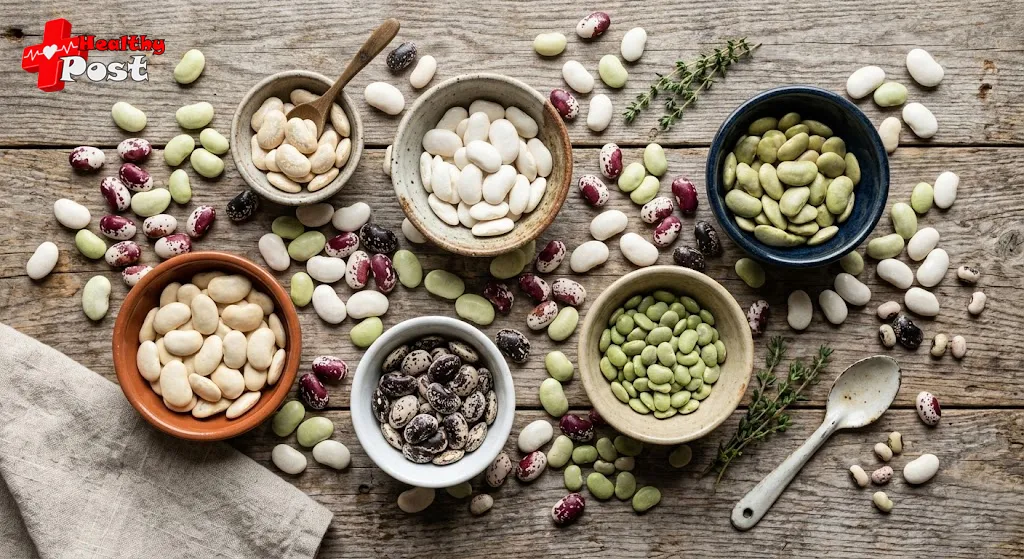
Knowing the different types and forms of lima beans helps you choose the right option for both taste and convenience.
Major types
- Sieva type
- Small-seeded
- Originated in Mesoamerica
- Tends to cook a little quicker
- Lima type
- Large-seeded (often called butter beans)
- Originated in the Andes
- Creamier texture, great for stews and mashes
Common cultivars you might see
- Henderson
- Fordhook 242
- Dixie Butterpea
- King of the Garden
- Christmas (speckled)
Each has its own subtle differences in size, flavor, and cooking time.
Forms you can buy
- Fresh: Seasonal, usually late summer to fall; cook quickly and have a delicate texture.
- Dried: Available year-round; great value, long shelf life, need soaking and longer cooking.
- Frozen: Convenient, often partially cooked; good texture in soups and side dishes.
- Canned: Very convenient; rinse well to lower excess sodium.
10. How to Cook Lima Beans Safely and Deliciously
Many people want to know how to cook lima beans the right way. Proper cooking is essential not only for texture and flavor, but also for safety.
Important safety note: Raw beans can be toxic
Raw or undercooked lima beans contain a compound called linamarin. When broken down, linamarin can release cyanide. This sounds alarming, but it is easy to manage with correct cooking:
- Always boil lima beans thoroughly.
- Never eat them raw or only partially cooked.
Most cultivated varieties in the United States are lower in these compounds than wild types, but thorough cooking remains vital.
Antinutrients and how to reduce them
Lima beans also contain phytic acid, tannins, and trypsin inhibitors. These are common in many legumes and whole grains. They can slightly reduce mineral absorption, but you can minimize their impact with simple methods:
- Soak dried beans overnight, then discard the soaking water.
- Boil in fresh water until fully tender.
- Avoid slow-cooking from completely raw without an initial boil, as the temperature may not get high enough quickly.
These steps also help reduce gas and bloating.
Basic method for dried lima beans
- Rinse and sort. Remove stones or damaged beans.
- Soak 8–12 hours in plenty of water. Discard the soaking water.
- Place beans in a pot with fresh water (about 3 cups water per 1 cup beans).
- Bring to a rapid boil for at least 10–15 minutes.
- Reduce to a gentle simmer and cook until soft (45–90 minutes depending on variety).
- Add salt and acidic ingredients (like tomatoes or vinegar) near the end of cooking for best texture.
Frozen and canned beans are already cooked, but you still want to reheat them thoroughly. For canned beans, rinse under running water to remove excess sodium.
Real-life time saver:
Cook a large batch of dried lima beans on Sunday. Store portions in the fridge or freezer. Use them all week in salads, soups, and grain bowls.
11. Common Risks, Side Effects, and Precautions
Most people can enjoy lima beans without problems when they are cooked properly. Still, certain precautions are worth noting.
Raw toxicity
- As noted, linamarin in raw or undercooked beans can form cyanide.
- Always boil lima beans thoroughly. Do not rely on slow cookers alone for dried beans without pre-boiling.
Digestive gas and bloating
- The same fiber and resistant starch that help your gut can cause gas.
- Reduce this by:
- Soaking and rinsing dried beans
- Gradually increasing your serving size
- Drinking enough water throughout the day
Antinutrients
- Phytic acid and tannins can lower absorption of minerals like iron and zinc.
- Soaking and cooking largely reduce these concerns for most people.
- A varied diet rich in fruits, vegetables, and other foods can balance this effect.
Allergies
- People with legume allergies (such as to peanuts or soy) should be cautious.
- If you suspect a reaction—like hives, swelling, or trouble breathing—seek medical care immediately and avoid beans until evaluated.
If you have chronic kidney disease, specific digestive disorders, or are on certain medications, speak with your healthcare provider before major diet changes.
12. Simple and Versatile Culinary Uses 🍽
Once you feel comfortable with how to cook lima beans, you can start using them in many dishes around the world.
Everyday uses
- Soups and stews: Add them to vegetable or chicken soups for extra body and protein.
- Curries: Simmer in tomato-based or coconut-based sauces alongside spices.
- Salads: Toss cooked, cooled beans into grain or green salads.
- Succotash: A traditional dish combining lima beans with corn and sometimes peppers.
- Spreads and dips: Mash with garlic, lemon, and olive oil for a hummus-like spread.
- Rice and grain dishes: Add them to paella-style dishes or pilafs.
Quick lima beans recipe ideas
- Mediterranean-style salad
- Mix cooked lima beans with chopped cucumber, tomato, red onion, parsley, lemon juice, and olive oil.
- Season with salt, pepper, and a pinch of oregano.
- Comforting bean stew
- Sauté onion, carrot, celery, and garlic.
- Add cooked lima beans, canned tomatoes, vegetable broth, and herbs.
- Simmer until flavors blend, then serve with whole-grain bread.
- Creamy mash
- Blend warm lima beans with a bit of broth, roasted garlic, and olive oil.
- Serve as a side instead of mashed potatoes.
You can explore more global dishes through resources focused on traditional legume recipes to expand your cooking ideas and enjoy lima beans in many forms.

FAQs About Lima Beans
1. Are lima beans good for you every day?
Yes, for most people, they can be part of daily meals, as long as they are well cooked. Rotate them with other legumes like lentils, chickpeas, and black beans for variety and balance.
2. Are dried lima beans healthier than canned?
Dried lima beans let you control sodium and avoid some additives. However, canned beans are still nutritious and very convenient. Rinse canned beans to reduce excess salt and enjoy them as part of an overall healthy diet.
3. Can children eat lima beans safely?
Yes, as long as they are fully cooked and soft. For young children, mash the beans slightly to reduce choking risk. Introduce them slowly and watch for any allergic reactions.
4. How can I reduce gas from lima beans?
Soak dried beans, discard the soaking water, rinse, then cook in fresh water. Start with small portions and increase slowly. Pair with plenty of water and fiber from vegetables for better tolerance.
5. Are lima beans suitable for low-carb or keto diets?
Lima beans are higher in carbohydrates, even though they contain a lot of fiber. They may not fit strict keto plans but can still work in moderate or balanced lower-carb diets when portions are controlled.
6. Can I freeze cooked lima beans?
Yes. Let them cool, then freeze in airtight containers or bags with some cooking liquid. They reheat well for use in soups, stews, and salads.
Conclusion: Let Lima Beans Work for Your Health 🌿
Lima beans have journeyed from ancient fields in Peru and Mesoamerica to modern kitchens around the world. They offer a rare combination of protein, fiber, iron, folate, and key minerals in a low-fat, affordable package.
When cooked properly, they can:
- Support blood sugar balance
- Improve digestive and heart health
- Help prevent anemia
- Aid weight control and satiety
- Contribute to long-term brain and metabolic health
Whether you choose dried lima beans, canned, or frozen, you gain the same core benefits when they are part of a varied, balanced diet.
You do not need complex recipes to enjoy them. Start by adding a simple lima beans recipe to your week—perhaps a hearty stew, a bright salad, or a creamy side dish. Over time, these small choices can add up to meaningful improvements in your health and well-being. 🌟
