

Lower body obesity, with fat accumulation in the hips and thighs? Beware of excessive estrogen!
Lower body obesity, with increased fat in the hips and thighs? This is a sign of excessive estrogen. This body type not only occurs in women, but also in adult men. If there is too much estrogen, it may lead to feminine characteristics such as large breasts.
Estrogen is a hormone that plays a crucial role in sexual function in both women and men. Besides being vital for reproductive health, estrogen is involved in many other systems of the body, including the immune, vascular, neuroendocrine, and skeletal systems.
While estrogen is an essential hormone, too much or too little is detrimental to health. Excess estrogen increases the risk of certain chronic diseases, including breast and ovarian cancer ; this condition is formally known as estrogen dominance .
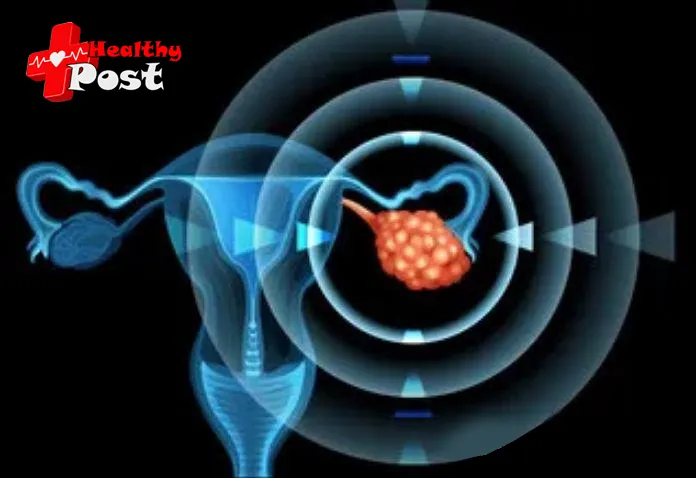
So, how do you know if your estrogen levels are too high? Symptoms like lower body obesity, heavy menstrual bleeding, menstrual cramps, and premenstrual syndrome (PMS) are signs. What happens in the end? It can lead to fibroids . Many women develop uterine fibroids because their estrogen levels are too high.
Interestingly, research shows that your diet and lifestyle can affect your estrogen levels.
Because diet affects the metabolism and excretion of estrogen in the body, and certain dietary patterns are also associated with obesity, excessive body fat can increase estrogen levels and disease risk.
Therefore, today’s “Reverse Sugar Project ” will discuss the relationship between diet and estrogen levels , and how to lower estrogen levels.
Diet associated with high estrogen
Studies have shown that certain dietary patterns may promote estrogen dominance and the risk of diseases associated with this imbalance.
For example, many studies have found that Western dietary patterns characterized by high intakes of red meat, processed foods, sweets, dairy products, and refined grains are consistently associated with higher estrogen levels.

Similarly, these dietary patterns are associated with an increased risk of breast cancer and obesity. For example, a review of 32 studies found that a Western diet rich in red meat, processed meats, and sweets was associated with a 14% increased risk of breast cancer.
Meanwhile, a diet rich in fruits and vegetables was associated with an 18% reduction in risk. The commentary noted that the increased risk may be due to elevated estrogen levels and increased body fat levels associated with a Western diet.
It’s important to note that after menopause, when the ovaries stop producing estrogen, adipose tissue becomes the primary source of estrogen for women. This is why obese postmenopausal women often have higher estrogen levels and an increased risk of breast cancer.
This means that postmenopausal women who follow dietary patterns that promote weight gain. The estrogen dominance may have a higher risk of developing breast cancer and other chronic diseases.
Diet to promote healthy estrogen levels
Studies have shown that a fiber-rich diet, such as one rich in whole grains, may help lower estrogen levels and prevent certain cancers associated with estrogen dominance.
Whole grains are rich in fiber, which can reduce cholesterol absorption. Since cholesterol is a precursor to estrogen, this may lower the circulating levels of estrogen in the blood.
In addition, high fiber intake can lead to reduced estrogen absorption in the colon and increased fecal estrogen excretion. This may explain why studies have shown that a high-fiber diet is associated with lower estrogen levels and a reduced risk of breast cancer.
For example, eating more cruciferous vegetables can help balance estrogen levels. Vegetables such as kale, cauliflower, Brussels sprouts, and cabbage all belong to the cruciferous vegetable family.
However, many of us tend to overcook vegetables and rarely eat them raw. In fact, raw vegetables can actually help remove excess estrogen and balance estrogen and chemicals.
Techniques to lower estrogen levels
In summary, a healthy lifestyle, including following a nutritious diet, engaging in sufficient exercise, and reducing excess body fat, can help promote healthy estrogen regulation. (However, age and health conditions also play a role.)
Tips to help promote healthy estrogen levels:
🌿 Estrogen Regulation: Lifestyle & Dietary Recommendations
| # | Recommendation | Purpose | Impact on Estrogen |
|---|---|---|---|
| 1 | Eat Foods Rich in Fiber | Promote digestion and hormone elimination | Helps excrete excess estrogen via stool |
| 2 | Limit Animal Products | Reduce intake of red and processed meats | May lower estrogen levels linked to meat consumption |
| 3 | Low-Carbohydrate Diet | Focus on fruits, protein, and healthy fats | Supports hormonal balance and reduces excess estrogen |
| 4 | Reduce Body Fat | Improve metabolic health and reduce fat stores | Excess fat increases circulating estrogen |
| 5 | Limit Refined Carbs & Processed Foods | Avoid nutrient-poor, high-sugar foods | Associated with elevated estrogen levels |
| 6 | Exercise Regularly | Boost physical activity and metabolic function | Lowers circulating estrogen and improves hormone health |
| 7 | Limit Alcohol Intake | Reduce alcohol consumption | Alcohol may disrupt hormone balance and raise estrogen |
Conclusion
Some studies suggest that diets rich in fiber and whole foods, such as the Mediterranean diet, and low-carbohydrate diets are associated with optimal estrogen levels, while dietary patterns rich in red and processed meats, sweets, and refined grains are associated with elevated estrogen levels.
Following a healthy diet and lifestyle is essential for hormonal health. However, many other factors can also affect hormone levels, including age, medication use, and certain medical conditions .
Therefore, if you have problems related to hormonal imbalance and have already developed some obvious symptoms, in addition to looking for the cause in your diet, you should also seek medical attention promptly and consult a doctor.

2 thoughts on “Lower body obesity, with fat accumulation in the hips and thighs? Beware of excessive estrogen!”