
5 Shocking Truths About Otoplasty in Turkey Cost and Before After Transformations
Why Otoplasty in Turkey Is So Tempting 😊
If you have spent hours zooming in on ear photos or hiding your ears in pictures, you are not alone. Many people explore otoplasty in Turkey because it promises noticeable change at a price that seems surprisingly low.
Social media is full of stunning otoplasty in Turkey before after photos. Influencers post relaxed selfies on Istanbul rooftops. Travel agencies offer “ear surgery + hotel + tours” packages. It can look simple, safe, and almost vacation-like.
Yet there are some important truths about otoplasty in Turkey cost, safety, and results that you rarely see on Instagram. Understanding these details can protect your health, money, and emotional wellbeing. 💡
Below, you will find five eye‑opening facts about ear surgery in Turkey. They cover how much is otoplasty in Turkey, what affects your final bill, and what real transformations look like beyond edited photos. The goal is not to scare you but to help you make a calm, informed decision.
You deserve to feel comfortable with your ears and confident about every step toward change. Let’s unpack the reality behind those glossy before and after pictures.
1. The Real Cost of Otoplasty in Turkey Is More Than the Price Tag 💰
Many clinics advertise otoplasty in Turkey from a single low number. It might be on a banner, in a reel, or in a quick message. That number often covers only part of the real otoplasty in Turkey cost.
You may see offers like:
- “Otoplasty from 1,200€”
- “All‑inclusive ear surgery 1,500$”
- “Ear pinning 1,000 GBP”
These prices sound very attractive if you compare them with Western Europe, the UK, or the US. But the full cost of otoplasty in Turkey includes many details that are not always obvious at first.
Key cost factors
The cost of otoplasty in Turkey usually depends on:
- Surgeon’s experience and reputation
- Type of otoplasty (simple pinning vs complex reshaping)
- Hospital or clinic standards
- Whether your package includes hotel and transfers
- Need for revision surgery or extra nights
- Currency exchange rates at the time of payment
To understand how much is otoplasty in Turkey compared with other regions, look at this example table. These are typical ranges, not fixed prices.
| Location | Approximate cost per ear surgery (both ears) | What is usually included |
|---|---|---|
| Turkey (Istanbul, Antalya, Izmir) | 1,200 – 2,800 USD | Surgery, anesthesia, basic aftercare, sometimes hotel and transfers |
| United Kingdom | 3,500 – 6,000 GBP | Surgery, anesthesia, follow‑up visits, local aftercare |
| United States | 4,000 – 8,000 USD | Surgery, anesthesia, facility fees, follow‑up visits |
| Western Europe (e.g., Germany, France) | 3,000 – 6,000 EUR | Surgery, anesthesia, follow‑up, higher facility fees |
Hidden or easily overlooked costs
When people ask about otoplasty in Turkey cost, they often forget extra expenses. For example:
- Flights and airport transfers
- Extra hotel nights if recovery is slower
- Prescription painkillers and antibiotics
- Special headbands or bandages
- Travel insurance that covers surgical complications
- Revision surgery, if needed back home
One patient example:
A 26‑year‑old from the UK booked a 1,400 GBP package. She then needed extra nights in a hotel, more medication, and a private follow‑up at home. Her final cost reached nearly 2,100 GBP.
The main point: the advertised cost of otoplasty in Turkey is often just the starting point. It is still usually cheaper than many Western countries, but budget with a realistic safety margin.
2. Before After Photos Can Be Misleading – Even When They Are Real 📸
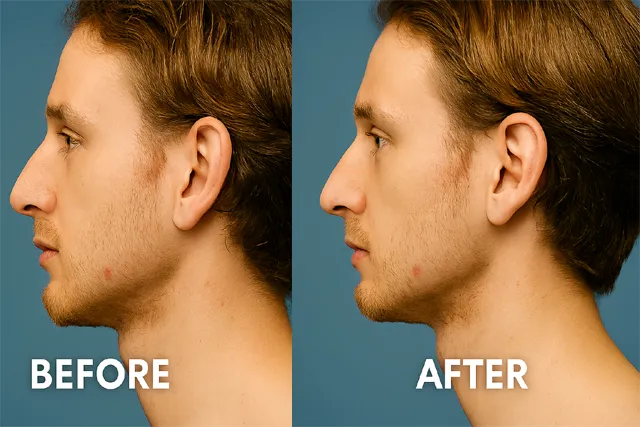
Otoplasty in Turkey before after pictures can be extremely convincing. Ears look smaller, closer to the head, and more symmetrical. Faces appear softer and more balanced. Many of these photos are real. However, they rarely show the full story.
How photos can give a partial picture
Even honest clinics usually select the best outcomes for their websites. They may not show:
- Cases with only modest improvement
- Mild asymmetry that remains after surgery
- Patients who had complications or needed revision
Some images also use:
- Slightly different angles
- Softer lighting
- Hair styled to highlight the best side
You cannot base your expectations on one “perfect” picture.
What realistic transformations look like
High quality ear surgery normally aims for:
- Less protrusion from the head
- More balanced shape between the two ears
- Natural‑looking folds, not “stuck” ears
However, perfect mirror symmetry is not realistic. Small differences between ears are normal even in people who never had surgery.
One example:
A 20‑year‑old man from France shared his otoplasty in Turkey before after photos with friends. They noticed a big positive change. Yet he still saw a slight difference in height between his ears. His surgeon had explained that full symmetry was impossible due to his natural anatomy. Because he understood that in advance, he felt satisfied, not disappointed.
Questions to ask about photos
When reviewing before and after images, ask the clinic:
- How long after surgery was the “after” photo taken?
- Are these your own patients, not stock images?
- Do you have unedited photos with neutral lighting?
- Can I see cases that look similar to my ears?
Also check trusted medical sites such as the American Society of Plastic Surgeons for a general overview of realistic otoplasty results. You can find useful guidance under the term ear surgery (otoplasty).
The shock for many patients is that real life “after” is more subtle than highly curated social media posts. Yet that subtle change can still boost self‑confidence in a very meaningful way. 💫
3. Surgeon Training and Clinic Standards Vary More Than You Think ⚠️
Many people imagine that every surgeon offering otoplasty in Turkey has similar training and safety standards. That is not always true. The quality gap between clinics can be large.
Turkey has excellent plastic surgeons. Many trained internationally and publish scientific work. At the same time, some centers are more focused on volume and marketing than on long‑term outcomes.
Why surgeon qualifications matter so much
Otoplasty looks like a small procedure from the outside. But it involves precise work with cartilage, sutures, and skin. Poor technique can cause:
- Over‑pinned “stuck to the head” ears
- Sharp, unnatural folds
- Visible scars on the front of the ear
- Asymmetry that is hard to correct later
When comparing clinics, check for:
- Board‑certified plastic surgeon or ENT surgeon with cosmetic training
- Membership in professional bodies such as the International Society of Aesthetic Plastic Surgery (ISAPS). See their list of members under International Society of Aesthetic Plastic Surgery.
- Hospital accreditation and hygiene standards
- Years of experience specifically in otoplasty, not only in other cosmetic procedures
Beware of “too perfect” marketing
Some red flags include:
- No full name or background of the surgeon on the website
- Only generic “medical team” photos
- Refusal to provide surgeon credentials before payment
- Very low cost of otoplasty in Turkey compared with most clinics in big cities
Example scenario:
A patient is offered ear surgery in a hotel‑based clinic with a “visiting” surgeon. The price is much lower than average. But no full medical history is taken, and no proper emergency backup exists. If a complication occurs, the support may not be enough.
Safer options often use modern hospitals and have clear protocols. The World Health Organization provides a useful checklist for safe surgery. You can see this under safe surgery principles.
4. Recovery Is Emotional As Well As Physical 🛌
Most people focus on otoplasty in Turkey cost and results. They think less about what the days and weeks after surgery feel like. Yet recovery plays a huge role in your overall experience.
Common physical stages
While every person is unique, you can expect roughly:
- First 24–48 hours: bandages, pressure, mild to moderate pain or discomfort
- First week: swelling and bruising, sleep with head elevated, wear a headband
- 2–4 weeks: most bruising fades, return to work or study, but avoid sports
- 6–12 weeks: ears start to settle into a more final shape
During this time you must protect your ears from:
- Bumps while sleeping
- Children or pets tugging at ears
- Intense exercise or contact sports
Many doctors describe healing timelines on neutral medical sites. The UK NHS, for example, outlines what to expect after cosmetic ear surgery under their page on cosmetic ear surgery.
Emotional ups and downs
Recovery also affects mood. It is normal to feel:
- Doubt or regret in the first week
- Worry about swelling or shape
- Impatience to see final results
Because you will likely travel home within 5–10 days, you need a clear plan for:
- Recognizing warning signs of infection
- Contacting your surgeon from your home country
- Seeing a local doctor if needed
One real situation:
A 32‑year‑old woman from the Netherlands felt anxious because one ear looked more swollen. Her clinic reassured her by video call. They also asked for weekly photos. After four weeks, the ears matched much better. She later said that emotional support during that period mattered as much as the surgery itself.
Why aftercare access is vital
Before booking, ask clinics:
- How many follow‑up visits are included while I am in Turkey?
- Do you offer video check‑ins once I am back home?
- Who do I contact in an emergency, day or night?
If the clinic cannot answer clearly, reconsider. A low cost of otoplasty in Turkey is not worth higher stress if something feels wrong and you cannot reach anyone.
5. “Best Otoplasty in Turkey” Is Not One Clinic – It Is the Best Fit for You ✅
If you search online, you will see many ads claiming to offer the best otoplasty in Turkey. They may show awards, stars, or sponsored rankings. But the “best” option is deeply personal.
Your ideal clinic balances:
- Safety and qualifications
- Clear communication
- Experience with cases like yours
- A realistic, not exaggerated, estimate of outcomes
- A fair and transparent price
How to compare options wisely
Use these steps to narrow down clinics:
- Shortlist surgeons who show verifiable training and memberships.
- Check independent reviews on more than one platform.
- Ask for sample otoplasty in Turkey before after cases that match your ear type.
- Request a written treatment plan and itemized cost.
- Confirm who performs the surgery: the named surgeon or an assistant.
You can also review general guidance on selecting a plastic surgeon from reliable groups such as the American Society of Plastic Surgeons. Their page on selecting a surgeon offers useful principles that apply internationally.
Red flags during consultations
Pay attention if:
- The surgeon promises “perfect” or “celebrity” ears
- Your questions about risks are brushed aside
- You feel rushed into paying a deposit
- No one discusses the possibility of revision surgery
Healthy communication feels calm, respectful, and open. The best otoplasty in Turkey for you will come from a team that makes you feel informed, not pressured.
Timing and life plans
Also think about your life schedule:
- Do you have support at home for the first week back?
- Can you avoid contact sports for several weeks?
- Are you emotionally ready for the change in your appearance?
Sometimes the wisest step is to wait a few months until your situation is more stable. Safe timing is part of safe surgery. ✨
Frequently Asked Questions About Otoplasty in Turkey
1. Is otoplasty in Turkey safe?
Otoplasty in Turkey can be safe when performed by a qualified surgeon in a properly equipped clinic. Safety depends more on the individual team and facility than the country itself. Always check credentials, reviews, and hospital standards before booking.
2. How much is otoplasty in Turkey on average?
For most adults, otoplasty in Turkey cost ranges between 1,200 and 2,800 USD for both ears. Packages at the lower end may exclude some extras like extended hotel stays or certain medications. Always ask for a full breakdown of the cost of otoplasty in Turkey, including potential added charges.
3. How long should I stay in Turkey after ear surgery?
Most surgeons recommend staying 5–10 days after otoplasty. This allows time for early healing and at least one follow‑up visit. If you have more complex work or a history of poor healing, you may need a longer stay.
4. Are otoplasty results permanent?
Otoplasty results are usually long‑lasting. The cartilage is reshaped and held in place with sutures. However, minor changes over time are possible as tissues age or after injuries. A small number of people may need revision surgery if sutures loosen or if they are unhappy with the shape.
5. Can both adults and children have otoplasty in Turkey?
Yes, both adults and older children can have otoplasty. Many surgeons prefer to operate on children after age five, when the ears are more developed. For children, emotional readiness and parental support are crucial. Clinics may have specific age policies, so ask in advance.
6. What are the main risks I should know about?
Possible risks include infection, bleeding, asymmetry, visible scars, and dissatisfaction with the result. Rarely, more serious problems like skin loss can occur. Discuss your personal risk factors with your surgeon and request written information about complications.
Conclusion: Making a Calm, Informed Choice About Otoplasty in Turkey 🌍
Otoplasty in Turkey can offer life‑changing improvements in confidence, often at a lower cost than in many Western countries. Yet the choice involves more than a flight, a hotel, and a few striking before and after photos.
You have learned that:
- The real otoplasty in Turkey cost includes travel, aftercare, and possible revisions.
- Before after images often show the best cases and may not reflect every outcome.
- Surgeon training and clinic safety standards vary, so careful research is vital.
- Recovery affects your emotions as much as your body and requires support.
- The best otoplasty in Turkey is the one that fits your needs, health, and values.
As you continue your research, keep a list of questions and take your time with each decision. Compare surgeons, ask for clear explanations, and listen to your own comfort level.
If you approach the process thoughtfully, otoplasty can be a positive step toward feeling more at ease in your own skin. Your ears are a small part of your face, but your wellbeing is huge. Treat it with the care it deserves. 💙