


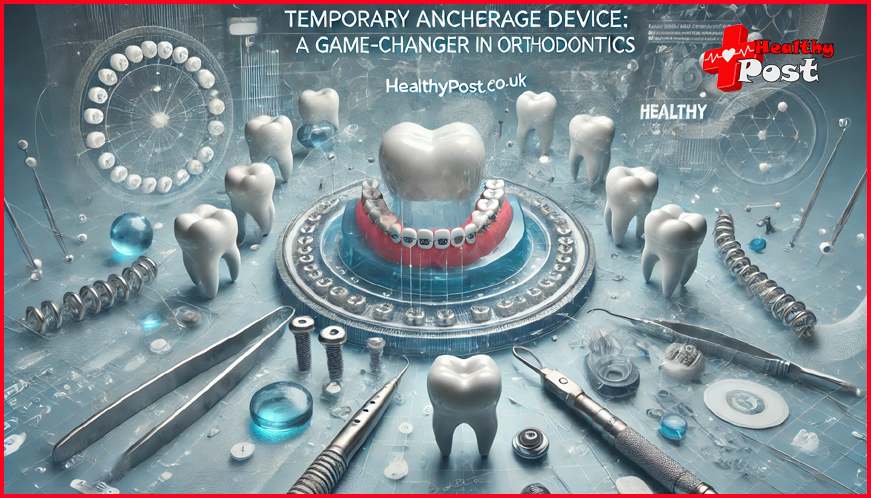
Orthodontic treatments have advanced significantly over the years, and one of the most innovative developments is the Temporary Anchorage Device (TAD). If you or someone you know is undergoing orthodontic treatment, you might have heard about TADs as a method to enhance efficiency and effectiveness in tooth movement. But what exactly are they, and why are they important?
This blog post provides an in-depth look at Temporary Anchorage Devices (TADs), their function, benefits, procedure, potential risks, and frequently asked questions. Whether you’re a patient, parent, or dental professional, this guide will help you understand how TADs are revolutionizing orthodontic treatments.
What is a Temporary Anchorage Device (TAD)?
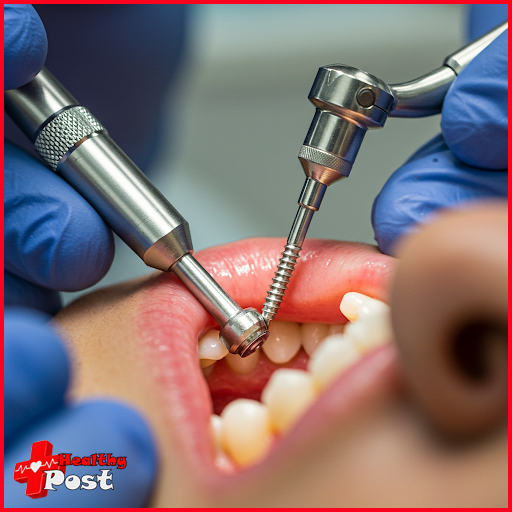
A Temporary Anchorage Device (TAD) is a small, screw-like implant made of biocompatible titanium alloy. It is temporarily placed in the jawbone to provide stable anchorage for orthodontic tooth movement. Unlike traditional braces that rely on teeth to serve as anchors, TADs allow orthodontists to move teeth with greater control and precision.
Key Features of TADs:
- Small in Size: Typically around 6-12 mm in length.
- Made of Titanium: Biocompatible and safe for human tissue.
- Temporary: Removed once the required movement is achieved.
- Enhances Orthodontic Treatment: Provides additional support for shifting teeth efficiently.
How Does a Temporary Anchorage Device Work?
TADs function as an anchor point in orthodontic treatment, offering a fixed point of resistance to move teeth more effectively. They are inserted into the bone between teeth or in other strategic areas to facilitate movement that might be difficult or impossible with braces alone.
Step-by-Step Working of TADs:
- Placement: A TAD is inserted into the bone using a minimally invasive procedure.
- Attachment: Orthodontic appliances (braces, elastics, springs) connect to the TAD for additional force.
- Tooth Movement: The force applied shifts the teeth into the desired position.
- Removal: Once the treatment is complete, the TAD is remove with little to no discomfort.
Benefits of Temporary Anchorage Devices
TADs offer a range of advantages in orthodontic treatments, making them an attractive option for both patients and orthodontists.
✅ More Controlled Tooth Movement
Since TADs provide absolute anchorage, orthodontists can move teeth in a more predictable and controlled manner.
✅ Reduced Need for Headgear
Traditional orthodontics often required cumbersome headgear for anchorage. TADs eliminate the need for these bulky devices.
✅ Faster Treatment Times
By providing stable anchorage, TADs can shorten the duration of orthodontic treatments.
✅ Better Aesthetic Results
TADs allow orthodontists to move teeth in ways that improve smile symmetry and bite alignment.
✅ Minimally Invasive Procedure
Placing a TAD is a quick and relatively painless procedure, usually requiring only a small amount of local anesthesia.
✅ Useful in Complex Cases
TADs are beneficial in cases involving severe crowding, open bites, or missing teeth, where traditional braces may not be sufficient.
How is a Temporary Anchorage Device Placed?
🦷 Step-by-Step TAD Placement Procedure
- Consultation & Planning – The orthodontist evaluates the patient’s needs and determines the optimal placement site.
- Anesthesia Application – A small amount of local anesthesia numbs the area to ensure comfort.
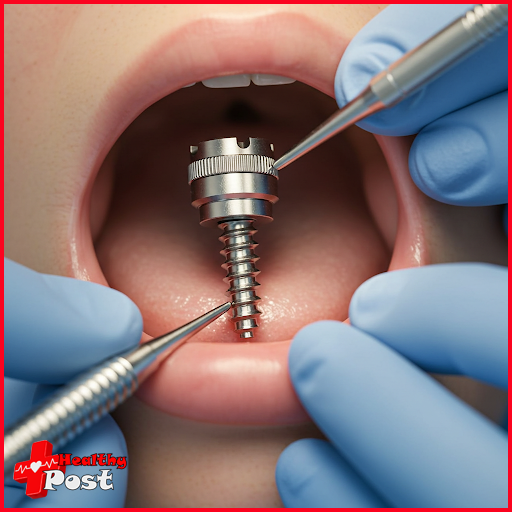
- TAD Insertion – Using a specialized instrument, the orthodontist screws the TAD into the jawbone (often between the roots of teeth).
- Attachment to Orthodontic Appliance – The TAD is connect to braces or other orthodontic devices using elastics or springs.
- Monitoring & Adjustments – The patient will have follow-up visits to monitor progress.
- Removal – When no longer need, the TAD is gently removed with minimal discomfort.
Are Temporary Anchorage Devices Painful?
One of the most common concerns about TADs is pain or discomfort. Fortunately, TAD placement is minimally invasive and relatively painless.
- During the procedure: Patients feel little to no pain due to local anesthesia.
- After placement: Mild soreness may occur for a few days but can be managed with over-the-counter pain relievers.
- During removal: The process is quick and painless, requiring no anesthesia.
Potential Risks and Complications of TADs
Although TADs are generally safe, they may come with minor risks:
- Irritation or Discomfort – Some patients experience mild irritation, which usually subsides within a few days.
- Loosening of the TAD – If the device becomes loose, it may need to be repositioned or replaced.
- Infection – Proper oral hygiene minimizes the risk of infections.
- Gum Tissue Overgrowth – Rare cases of tissue covering the TAD may require adjustment.
Comparison: Temporary Anchorage Device vs. Traditional Anchorage
| Feature | Temporary Anchorage Device (TAD) | Traditional Anchorage (Braces, Headgear) |
|---|---|---|
| Invasiveness | Minimally invasive | Non-invasive but bulky |
| Treatment Time | Shorter | Longer |
| Effectiveness | High precision | Less controlled |
| Aesthetic Impact | Less visible | Often requires headgear |
| Complexity of Cases | Suitable for complex cases | Limited in difficult cases |
Tips for Maintaining a TAD
To ensure a smooth orthodontic treatment, follow these maintenance tips:
- Maintain Good Oral Hygiene – Brush and floss regularly to prevent infection.
- Avoid Hard or Sticky Foods – These may exert pressure on the TAD, causing discomfort.
- Report Any Loosening – If the TAD feels loose, inform your orthodontist immediately.
- Follow All Orthodontist Instructions – Adhering to guidelines ensures effective results.
FAQs About Temporary Anchorage Devices
❓ How long do TADs stay in place?
TADs usually remain in place for a few months to a year, depending on the treatment plan.
❓ Can TADs be used for all orthodontic cases?
While highly effective, TADs are typically recommended for moderate to severe cases where traditional anchorage is insufficient.
❓ Will I need surgery for TAD placement?
No. TAD placement is a quick, minimally invasive procedure that doesn’t require surgery.
❓ Can TADs be reused after removal?
No. Once removed, TADs are not reused due to hygiene and structural integrity concerns.
❓ How do I clean my TAD?
Use a soft toothbrush and antiseptic mouthwash to keep the area clean.
Conclusion
Temporary Anchorage Devices (TADs) are a game-changer in modern orthodontics, offering precise tooth movement, faster results, and greater comfort compared to traditional methods. If your orthodontist recommends a TAD, you can feel confident knowing it’s a safe and effective tool that enhances your treatment.
Are you considering orthodontic treatment with TADs? Share your thoughts or experiences in the comments below!

1 Comment
Pingback: Waterproof Cast Cover Tips: Stay Dry, Comfortable, and Protected