


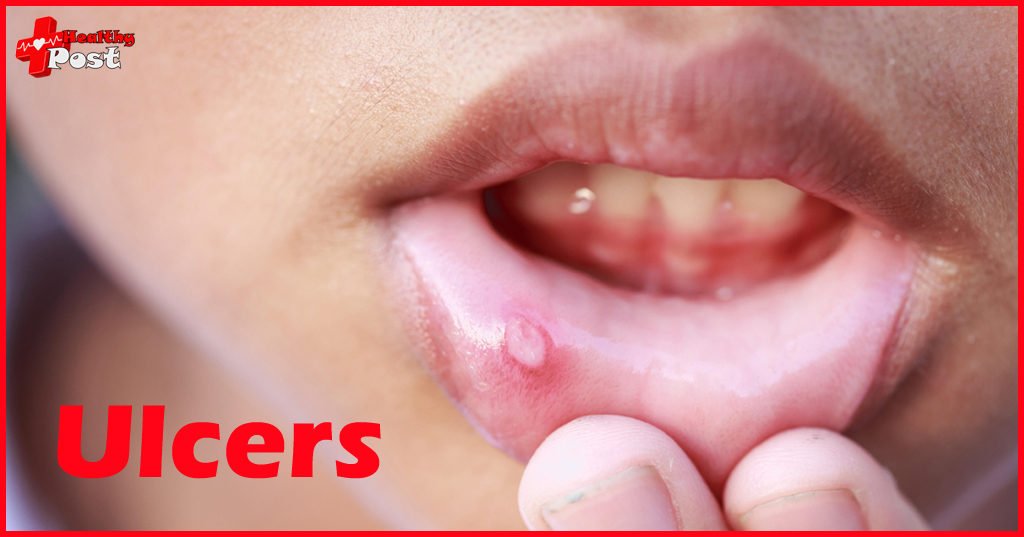
Many people have been tormented by oral ulcers. Anyone who has experienced it understands the pain that makes them lose their appetite.
In most cases, oral mucosal abnormalities heal on their own within a week. However, if some recurring ulcers are accompanied by color changes or abnormal spots in the mouth, you should go to the hospital in time.
1. Be alert to 3 color changes of mucous membranes
The normal oral mucosa is pink, moist, smooth, soft, elastic, with no spots or streaks.
If color changes occur, it can directly reflect the abnormality of the mucosa. When the mucosa shows the following conditions, it needs to be paid close attention.
1. White spots or patches
Let me first talk about a situation that you don’t need to worry about: if there are local white spots or patches on the oral mucosa that are soft and smooth, it may be oral leukocytosis . It is usually caused by long-term friction, heat, chemical and other irritation, and the most common irritation is residual crown of tooth root, poor restoration , smoking and other irritation. After removing the inducement, the white spots will disappear on their own.
Another type of leukoplakia is oral leukoplakia , which is a precancerous lesion. About 3% to 5% will develop into cancer and it can occur in the mucous membranes of various parts of the oral cavity.
The surface of this type of leukoplakia usually has ulcers or erosions, and is wart-like or granular. Patients may feel that the mucosa is rough , astringent, and hard.
If the leukoplakia ulcer surface does not shrink or disappear 2 to 4 weeks after the local irritation factors are removed, further biopsy pathological examination should be performed .
2. Velvet red
When red patches appear on the oral mucosa, part of it is congestion caused by local infectious inflammation, which can be gradually relieved after anti-inflammatory treatment.
However, attention should be paid to a type of oral erythema , in which bright red, soft (velvety) and clearly bordered patches appear on the mucosa, with occasional small white spots or even small granular nodules interspersed in the erythema.
This disease is more common in middle-aged men and is also a precancerous lesion. Once diagnosed, surgery is required immediately and it cannot be simply assumed that it is just an ulcer.

3. Brown or black spots
If brown or black spots appear on the oral mucosa, if they are isolated and scattered, with a diameter of less than 1 mm, uniform color, and not higher than the surface of the mucosa, they may be color changes caused by increased cellular melanin. They are generally benign lesions and follow-up every 3 to 6 months is recommended.
However, black spots may also be the oral manifestation of systemic diseases, such as pigmented intestinal polyposis syndrome, primary chronic adrenocortical insufficiency , melanoma, etc., and the primary disease needs to be actively treated.
2. What kind of mucosal changes do not need to worry too much
The most common change in the oral mucosa is ulcers. Benign ulcers have some similarities.
A. Regular shape and obvious pain
Benign ulcers are regular in shape, such as round, oval, or strip, with neat and clear edges, a smooth sunken base, and feel soft to the touch. They also have a distinct burning sensation, and are characterize by “red, yellow, and painful concave areas”:
Red : There is a red blood-fill band around the edge of the ulcer;
Yellow : The ulcer surface is cover with a yellow-white pseudomembrane;
Concave : The center is sunken, shaped like a “crater” or “bomb crater”;
Pain : There is obvious burning pain.

Malignant ulcers are usually irregular in shape, with unclear boundaries, unevenness, and granularity. They feel hard and are less painful.
B. Not accompanied by systemic symptoms
When benign ulcers appear in the oral mucosa, other complications are rare. If they are accompanied by maxillofacial swelling, lymph node adhesion, etc., they may be malignant oral ulcers .
C. It can heal itself in about a week
Most good ulcers can heal on their own, usually in 7 to 10 days. If the ulcer does not heal for more than 2 weeks, or recurs more than 2 times within 1 month, seek medical attention immediately.
D. Sensitive to drugs
Benign ulcers can heal faster with drug treatment, but malignant ulcers do not respond significantly to drugs and may even continue to worsen.
3. Do 6 things to protect the oral mucosa
In daily life, you can protect the oral mucosa through the following methods, which also helps reduce the risk of ulcers becoming malignant.
1. Avoid long-term stimulation
Unsuitable dentures, tooth residual roots , frequent eating of melon seeds, eating hard foods, etc. will increase mechanical friction and damage the oral mucosa.
Eating too quickly and too hastily, and accidentally biting yourself, can also induce oral ulcers, so be careful to avoid this in your daily life.
2. Pay attention to oral hygiene
Developing good habits, such as brushing your teeth twice a day and rinsing your mouth after meals, can effectively reduce the related pathogenic bacteria in the oral cavity, thereby reducing mucosal damage.
3. Reduce unhealthy diet
Eat less barbecued, pickled, spicy and irritating foods, and avoid overly hot foods that may damage the mucous membrane.
4. Balanced nutrition, eat more fruits and vegetables
Lack of vitamins and trace elements, such as iron, zinc, B vitamins , folic acid, etc., can also induce ulcers. You should have a balanced diet and eat more fresh fruits, vegetables and whole grains.
5. Don’t stay up late to avoid weakening your immunity
Frequent insomnia, staying up late, overwork, mental stress, etc. will reduce immunity and cause diseases to occur from the mouth.
It is recommend to ensure at least 7 hours of sleep every day; at the same time, do outdoor exercise at least 3 to 4 times a week, each time for more than half an hour, to enhance physical fitness and improve resistance.
6. Refuse to be anxious and keep a stable mind
People who are prone to oral ulcers do not need to be nervous or anxious. Cooperating with treatment and living a regular life can help improve symptoms. People who are prone to oral ulcers should pay more attention to maintaining an optimistic mental state.

2 Comments
Pingback: Real Honey: Natural Remedy to Help Treat 13 Diseases
Pingback: 69 pose risks for health, be careful to open your mouth