

Clinical Authorship & Verification
This article has been written and verified by Dr. Priyanka Agarwal (Dermatologist, Dakai Skin Clinic ↗), specializing in dermatological health, skin conditions, and parasitic treatments.
Medical Disclaimer: The information provided on Healthy Post is for educational and informational purposes only and does not constitute formal medical advice, diagnosis, or treatment. Parasitic infestations like pubic lice require proper medical evaluation and medicated treatments. Always consult a qualified dermatologist or healthcare provider for professional diagnosis and safe therapeutic care.

Dr. Priyanka Agarwal
Dermatologist | Dakai Skin Clinic
Dr. Priyanka Agarwal is an experienced Dermatologist dedicated to providing advanced medical and aesthetic skin care solutions. Practicing at Dakai Skin Clinic, Dr. Agarwal combines evidence-based dermatological care with a patient-centered approach, ensuring optimal skin health, advanced clinical treatments, and the highest standards of safety and diagnostic precision.
Similar to head and body lice, pubic lice (also known as crabs or crab lice) are flat, wingless parasitic insects that feed on blood. Pubic lice (Pthirus pubis) do not fly or jump and are found mainly in the pubic or genital area of humans. But sometimes, lice can also infest other areas of coarse body hair, such as beards, beards, armpits, and eyebrows.
Be aware that lice on a child’s eyebrows or eyelashes may indicate sexual exposure or abuse.
Although lice are a nuisance, they are not known to transmit any disease.
What do pubic lice look like?
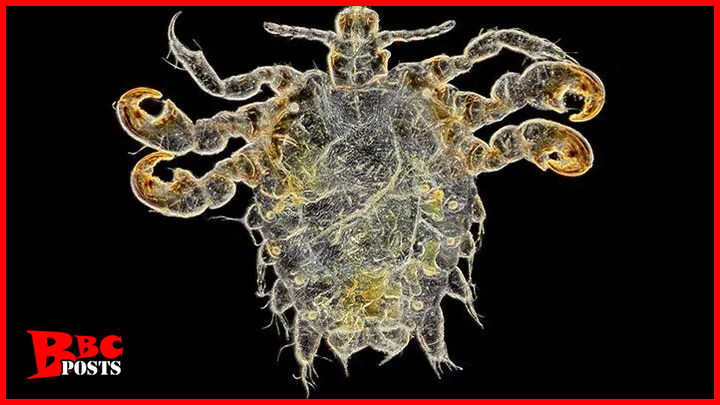
Like other lice, pubic lice have three stages: eggs (or lice), nymphs, and adult lice. Lice are oval-shaped and range in color from yellow to white. They are small and difficult to see, especially since they are firmly attached to the pubic hair.
Lice hatch into nymphs after 6 to 10 days of gestation. A nymph is just an immature louse, and although it looks like an adult pubic louse, it is smaller and takes two to three weeks to mature into adulthood.
Once fully grown, lice turn tan or off-white, have six legs, and feed on human blood. lice grow to about 1/16 inch (1.6 mm) or smaller, about the size of a pinhead. They are often called “crabs” because of the crustacean-like claws on their two front legs.
What are the signs and symptoms of pubic lice?
It is possible to have lice and have no symptoms, especially if the initial infestation only involved a few lice and a few lice eggs. It can take up to four weeks for symptoms to develop from lice hatching.
Some other signs that you may be dealing with a pubic lice infestation include:
- Visible lice eggs or lice: One way to get home diagnosis is to see lice or crawling lice in the genital area. Lice eggs may just be small white dots on the pubic hair and are difficult to remove.
- Itching: Many people with pubic lice struggle with itching in their genital area. This feeling gets worse at night when the lice become more active and they bury their heads in the pubic hair follicles to get blood.
- Blood stains in underwear: Small blood stains in underwear can indicate the presence of lice.
- Inflammation: Sometimes, an allergic reaction to proteins in the saliva of pubic lice can cause inflammation of the pubic area and even hives and rashes. This may lead to more intense itching, which can lead to secondary bacterial infection. (Scratching can also stimulate the spread of pubic lice.)
- Discoloration: Light blue spots may appear on the thighs, buttocks, or lower abdomen.
- Eyebrow irritation: When young children are exposed to pubic lice, they may experience eyelid inflammation or infection, called blepharitis.
How to spot and diagnose pubic lice?
You may suspect lice if your vagina is itchy or if you see lice eggs or adult lice with the help of a magnifying glass. But a doctor can confirm an active lice infestation by doing a physical examination of the pubic and genital area.
Some doctors may also use ultraviolet light or a microscope to help make an accurate diagnosis. In the doctor’s office, all people with pubic lice should be evaluated for other sexually transmitted diseases. If you suspect your child has lice, you should use a high-power magnifying glass to examine your child’s eyelashes.
Who is at risk for pubic lice and how is it spread?
Anyone can have lice, and getting diagnosed has nothing to do with your cleanliness or hygiene. Pubic lice infestations occur worldwide and occur at all racial, ethnic, and socioeconomic levels.
An estimated 3 million cases of lice are diagnose in the United States each year. The vast majority of these cases occur through sexual contact. When lice move from one person’s pubic hair to another person’s pubic hair. It’s important to note that sexual intercourse is not the only way to spread or become infected with lice—transmission can occur through contact alone.
Additionally, lice are rare but possible when you share clothing, sheets, or towels with someone who has an active lice infestation. But it’s a myth that you can get lice from sitting on the toilet seat. (Pubic lice require a warm human body to survive and have no feet to walk on a toilet seat.)
Dogs, cats, and other animals have no role in the spread of lice.
How to Treat Pubic Lice Successfully
For medical advice, please go to a regular dermatology and venereal disease hospital for lifelong help. In addition, some details that need attention are:
- Regardless, sexual partners should also be treat. When using topical treatments (OTC or other), they need to be apply to all areas of the body that may be involve, including the rectum, thighs, lower abdomen, and near the armpits.
- After the initial treatment, there are still some important steps to take to prevent lice infestation and relieve itching:
- Launder clothing and bedding. Two or three days before treatment, machine wash (130 degrees Fahrenheit or higher) any clothing, towels, and linens used by the infected person. Machine dry on hottest setting.
- Dry clean or seal other items. Clothing and bedding that cannot be machine washed should be take to a dry cleaner or sealed in a plastic bag for two weeks.
- Notify sexual partners. Anyone who has had sexual contact (oral, anal, or vaginal) with an infected person within the previous month should be inform that they are at risk for lice.
- Avoid sexual contact. Do not have oral, anal, or vaginal sexual contact until the infection has been successfully treat.
- Repeat treatment. If live lice are still found within 9 to 10 days, treat again.
Frequently Asked Questions
What are pubic lice and how do they spread?
Pubic lice, commonly known as “crabs,” are tiny parasitic insects that attach to the skin and hair in the pubic region. They are primarily transmitted through close physical contact, most commonly during sexual activity, but can occasionally spread via infested items like towels, bedding, or clothing.
What are the main symptoms of a pubic lice infestation?
The most common symptom is intense itching in the genital and pubic areas. Other signs include visible tiny insects or nits (eggs) attached to pubic hair, mild skin irritation or inflammation from bites, and occasional small bluish spots on the skin where the lice have fed.
How can pubic lice be treated effectively?
Treatment typically involves applying over-the-counter or prescription medicated lotions or shampoos containing ingredients like permethrin or pyrethrins. It is also essential to wash all bed linens, towels, and clothing used recently in hot water and dry them on high heat to prevent reinfection.
Are pubic lice considered a sexually transmitted infection (STI)?
Yes, while pubic lice are parasites rather than a virus or bacteria, they are widely classified as a sexually transmitted infection because they spread most easily through intimate personal contact. Anyone diagnosed with pubic lice should also be screened for other STIs.
When should I consult a dermatologist or healthcare provider?
You should consult a medical professional if over-the-counter treatments fail to clear the infestation, if you experience severe skin infection or raw sores from scratching, or if you suspect exposure to other sexually transmitted infections.