

This article has been written by Dr. Priyanka Agarwal (Dermatologist, Dakai Skin Clinic) and medically reviewed by Dr. Mohammad Kamruzzaman (Plastic & Reconstructive Surgeon, Dhaka Medical / Ibn Sina), specializing in skin barrier health and anatomical body contouring.
Medical Disclaimer: The information provided on Healthy Post regarding an apron belly (panniculus) is for educational and informational purposes only and does not constitute formal medical diagnosis or advice. Skin fold irritations, rashes, and body contouring considerations vary by individual. Always consult a qualified board-certified dermatologist, plastic surgeon, or healthcare professional regarding any medical concerns, skin infections, or potential treatment plans.

Dr. Priyanka Agarwal
Dermatologist | Dakai Skin Clinic
Dr. Priyanka Agarwal is an experienced Dermatologist dedicated to providing advanced medical and aesthetic skin care solutions. Practicing at Dakai Skin Clinic, Dr. Agarwal combines evidence-based dermatological care with a patient-centered approach, ensuring optimal skin health, advanced clinical treatments, and the highest standards of safety and diagnostic precision.

🏥 Medical Review Board Member
Dr. Mohammad Kamruzzaman, MBBS, FCPS
Plastic & Reconstructive Surgeon | Associate Professor, Dhaka Medical College & Hospital
Dr. Mohammad Kamruzzaman is a prominent plastic, reconstructive, and burn surgeon serving as an Associate Professor in the Department of Burn & Plastic Surgery at Dhaka Medical College & Hospital. With extensive clinical expertise and advanced surgical credentials, he is dedicated to providing evidence-based medical oversight and translating specialized clinical care into clear, reliable guidance. Dr. Kamruzzaman ensures that health and surgical content on Healthy Post meets the highest standards of medical accuracy, clinical integrity, and patient safety.
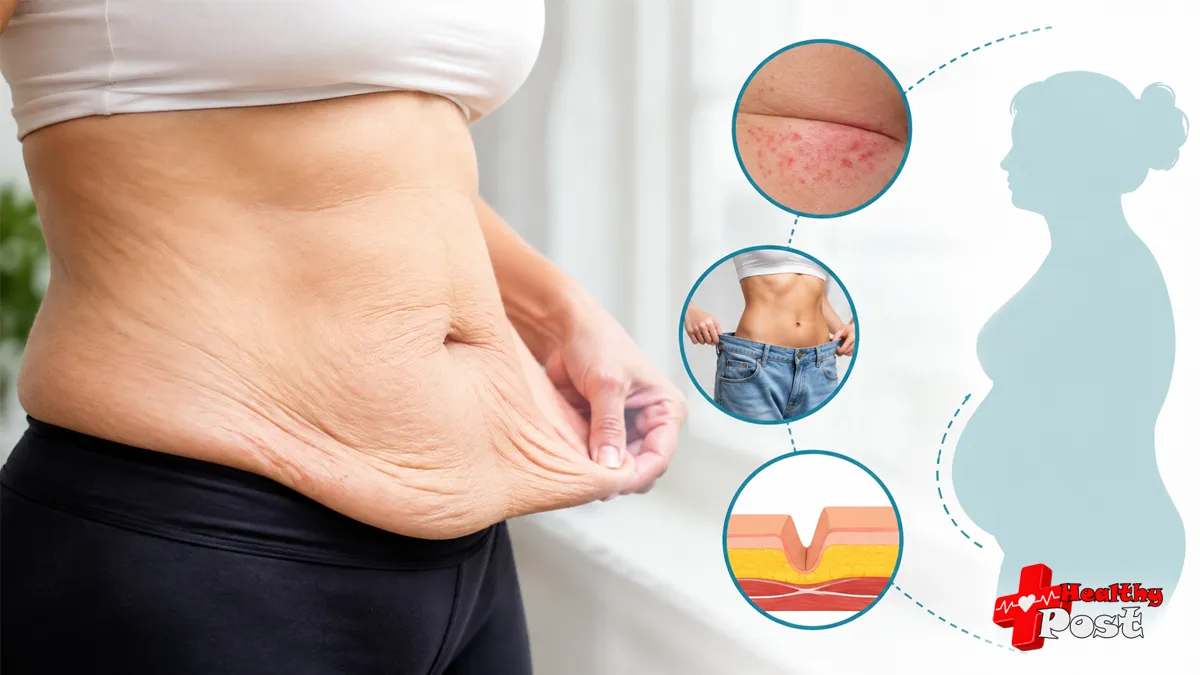
An apron belly is a common term for a fold of excess skin and fatty tissue that hangs from the lower abdomen. It may develop after significant weight gain, major weight loss, pregnancy, aging, or a combination of these factors. For some people, it is mainly a change in body shape. For others, the fold can cause chafing, moisture buildup, rashes, infections, difficulty exercising, or problems with hygiene.
Understanding what is an apron belly is important because it is not simply another name for belly fat. An abdominal overhang can contain both subcutaneous fat—the fat beneath the skin—and stretched or redundant skin. That distinction matters because losing additional weight may reduce the fatty component but cannot reliably remove substantial loose skin.
What Is an Apron Belly?
An apron belly, sometimes called an abdominal pannus or panniculus, is an overhanging fold of skin and fatty tissue extending from the lower abdomen. Depending on its size, the fold may rest above the pubic area or extend farther toward the groin, upper thighs, or even the knees in severe cases.
The term “apron” describes the way the tissue hangs downward from the abdomen. It is not a medical diagnosis by itself.
An apron belly can look very different from one person to another. Someone may have a relatively small lower-belly overhang after pregnancy, while another person may have substantial excess tissue following major weight loss.
The fold may contain:
- Loose or stretched abdominal skin
- Subcutaneous fat
- Connective tissue
- Occasionally swollen or thickened tissue in severe cases
An important point is that an apron belly does not automatically mean a person is unhealthy or obese. It can remain after substantial weight loss because skin that has been stretched for a long time may not fully retract.
However, a large pannus can become a physical problem when it interferes with movement, clothing, hygiene, or skin health.
Panniculus vs Apron Belly: Are They the Same?
The terms are closely related, although their use can vary.
In everyday language, apron belly, pannus, and abdominal panniculus are often used to describe an apron-like fold of excess abdominal skin and fatty tissue. Medical literature commonly uses panniculus or pannus for this type of tissue.
| Term | What it generally means |
|---|---|
| Apron belly | Informal description of an overhanging lower-abdominal fold |
| Pannus | Clinical term often used for a hanging abdominal fold |
| Panniculus | Anatomical/medical term for excess tissue forming the abdominal overhang |
| Panniculus morbidus | A severe, uncommon form associated with extreme obesity, chronic lymphedema and major functional complications |
Panniculus morbidus should not be confused with an ordinary apron belly. Severe cases can involve substantial swelling, skin breakdown, recurrent infections, ulceration and serious mobility limitations.
What Causes an Apron Belly?
There is rarely just one explanation. The appearance usually reflects changes in skin, fat, connective tissue and body shape over time.
Significant weight gain
When body weight increases, the abdomen can accumulate additional subcutaneous fat and the skin may stretch to accommodate the larger volume.
If the weight gain is substantial or lasts for years, the skin may lose some of its ability to retract completely.
Major weight loss
An apron belly can become especially noticeable after significant weight loss.
This may seem surprising, but losing abdominal fat does not necessarily mean the stretched skin disappears. After substantial weight reduction, the skin and underlying tissues may not have enough elasticity to conform to the body’s smaller size.
This is one reason some people feel frustrated after successfully losing a large amount of weight: their health and body composition have improved, but they are left with excess belly skin.
Pregnancy
Pregnancy stretches the abdominal skin and abdominal wall as the uterus expands. Some people experience considerable loose skin after delivery, particularly following multiple pregnancies or substantial changes in body weight.
Pregnancy can also contribute to diastasis recti, a separation or widening of the tissue between the abdominal muscles. Diastasis recti can make the abdomen protrude, but it is not the same thing as an apron belly.
For readers recovering after abdominal surgery or childbirth, an abdominal binder after surgery or C-section may provide information about postoperative support, although a binder does not remove excess skin or permanently change abdominal fat.
Aging
Skin naturally becomes less elastic with age. Changes in collagen, connective tissue and body composition can make previously stretched abdominal skin more likely to sag.
Genetics
Genetics influence body shape, fat distribution and skin elasticity. Two people with similar weight histories can therefore develop very different amounts of abdominal overhang.
Previous abdominal surgery
Surgical scars and changes in abdominal tissue can alter the contour of the abdominal wall. In some individuals, previous surgery contributes to an uneven or overhanging appearance.
Apron Belly vs Belly Fat: What’s the Difference?
An apron belly is not necessarily just excess belly fat.
Think of the abdominal overhang as potentially having several components:
Subcutaneous fat + loose skin + connective tissue
Subcutaneous fat is located directly beneath the skin. Visceral fat, by contrast, is stored deeper inside the abdominal cavity around internal organs.
This distinction explains why two people with similar amounts of abdominal fat can have completely different body shapes. One may have a rounded abdomen without a hanging fold, while another may have a pronounced overhang caused largely by excess skin after weight loss.
It also explains why abdominal exercises cannot simply “burn away” an apron belly.
Can an Apron Belly Cause Health Problems?
An apron belly itself is not automatically a disease.
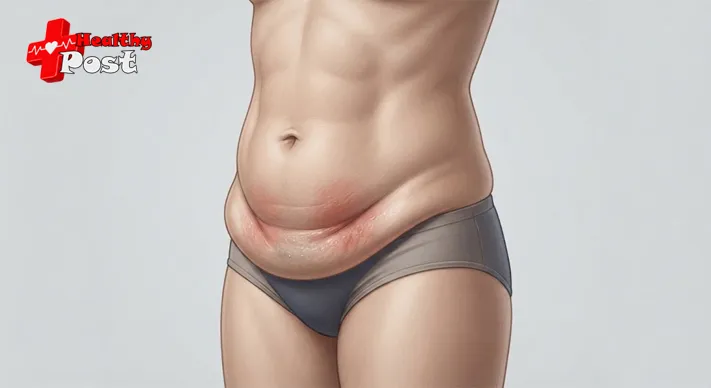
A smaller fold may cause little more than cosmetic concern. A larger pannus, however, can create a warm, enclosed environment where skin rubs together and moisture becomes trapped.
Possible problems include:
- Chafing and irritation
- Skin-fold inflammation
- Intertrigo
- Yeast or fungal infections
- Bacterial infections
- Skin breakdown and ulcers in severe cases
- Difficulty maintaining hygiene
- Discomfort while walking or exercising
- Problems finding comfortable clothing
Very large pannuses can also interfere with mobility and daily activities. Medical literature describing large abdominal panniculi reports problems such as recurrent rashes, infections and significant functional limitations.
That does not mean everyone with an apron belly is at increased risk of diabetes, heart disease or another systemic disease. Those risks are influenced by factors such as overall body composition, visceral fat, blood pressure, blood glucose, cholesterol and other aspects of health—not simply the presence of a hanging abdominal fold.
Apron Belly Rash and Intertrigo
One of the most troublesome complications is intertrigo under the belly.
Intertrigo is inflammation that develops where skin rubs against skin. Heat and trapped moisture make the friction worse, creating an environment where the damaged skin can become secondarily infected by fungi or bacteria.
An abdominal skin fold can therefore create the classic combination:
Friction + moisture + heat + limited ventilation
Symptoms of an apron belly rash
A skin-fold rash may cause:
- Redness or darker discoloration
- Itching
- Burning
- Tenderness
- Chafing
- Cracked or raw skin
- Moist or softened skin
- Unpleasant odor
If a secondary infection develops, symptoms can become more pronounced. Candida, a type of yeast, is a common cause of fungal infection associated with intertrigo.
Not every rash is fungal, however. Intertrigo itself is inflammatory, and conditions such as contact dermatitis or inverse psoriasis can produce similar-looking rashes.
How to reduce the risk of intertrigo
Keeping the fold clean, dry and cool is one of the most useful preventive measures.
Practical steps include:
- Wash the area gently.
- Pat it dry rather than rubbing irritated skin.
- Pay particular attention to drying beneath the fold after bathing or sweating.
- Wear breathable, comfortable clothing.
- Change damp clothing promptly.
- Reduce prolonged skin-to-skin friction.
- Consider a suitable skin barrier product when recommended by a healthcare professional.
Cleveland Clinic also notes that breathable clothing, thorough drying and measures that reduce friction can help prevent intertrigo.
Do not automatically treat every rash with an antifungal or antibiotic. If the diagnosis is uncertain, recurrent, painful or worsening, a clinician can determine whether the problem is fungal, bacterial, inflammatory or something else.
How to Get Rid of an Apron Belly
There is no single treatment that works for everyone because the best approach depends on what makes up the overhang.
If excess body fat is a major component, weight management can reduce its size. If the main problem is loose, stretched skin, lifestyle changes may improve health and body composition but cannot reliably remove a large amount of redundant skin.
Weight management
If someone has excess body fat, gradual weight loss may reduce the fatty portion of the abdominal fold.
A sustainable approach can include:
- A nutritionally balanced eating pattern
- Appropriate calorie intake
- Adequate protein
- Vegetables and fruit
- Whole or minimally processed foods
- Regular physical activity
- Resistance training
- Aerobic activity suited to the person’s fitness level
There is no need to chase extreme dieting simply to make an abdominal fold disappear.
Exercise
Walking, cycling, swimming and other aerobic activities can support cardiovascular fitness and overall energy expenditure.
Resistance training can help preserve or build muscle during weight management.
Core exercises can strengthen the abdominal muscles and improve physical function, but they cannot selectively remove loose abdominal skin.
Crunches, planks and leg raises should therefore not be advertised as a guaranteed way to eliminate an apron belly.
Give your body time after major weight changes
After major weight loss, body shape may continue to change as weight stabilizes. If someone is considering body-contouring surgery, surgeons generally prefer the person’s weight to be stable rather than changing substantially.
Understand what lifestyle treatment cannot do
This is perhaps the most important expectation to set.
If the remaining overhang is primarily loose skin, losing more weight may not make it disappear. In some cases, additional weight loss can even make redundant skin more apparent.
Surgical body contouring is designed specifically to remove excess skin and tissue when appropriate.
Can Exercise Remove an Apron Belly?
Exercise can help reduce overall body fat, strengthen muscles and improve mobility, but it cannot guarantee removal of a substantial pannus.
For example, someone who has lost 80 pounds may have much less abdominal fat but still have a fold of stretched skin.
Core training can improve the strength beneath that skin. It does not, however, function like a skin-removal procedure.
This distinction prevents a common misconception: stronger abdominal muscles and less abdominal fat do not necessarily mean the skin will tighten completely.
Surgical Options for Apron Belly
When excess tissue causes persistent functional problems or remains after major weight loss, a consultation with a qualified plastic surgeon can help determine whether surgery is appropriate.
Panniculectomy
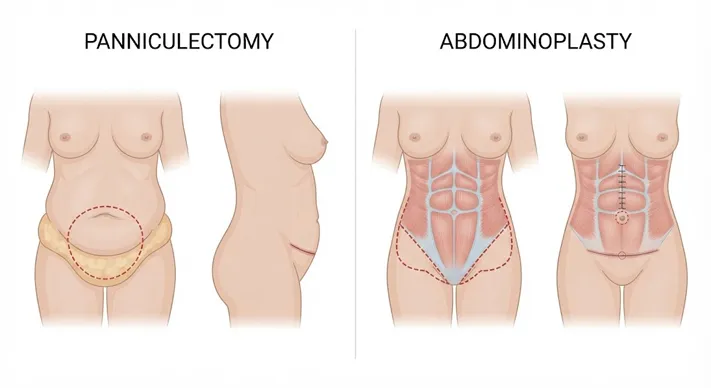
A panniculectomy is specifically designed to remove hanging excess skin and fatty tissue from the lower abdomen. The American Society of Plastic Surgeons describes its primary goal as removing hanging skin and fat to improve abdominal contour.
It may be considered when a large pannus causes problems such as:
- Recurrent rashes or infections
- Difficulty with hygiene
- Difficulty walking or exercising
- Significant discomfort
- Functional limitations
- Persistent redundant skin after major weight loss
A panniculectomy generally does not involve tightening the abdominal muscles in the way an abdominoplasty typically does.
Tummy tuck (abdominoplasty)
A tummy tuck, or abdominoplasty, is a more comprehensive abdominal contouring procedure.
It can remove excess skin and fat and, when appropriate, address laxity or separation of the underlying abdominal wall. It may also involve repositioning the belly button.
The appropriate procedure depends on anatomy and the person’s goals.
Liposuction
Liposuction removes localized subcutaneous fat. It does not remove significant loose skin.
That makes it a poor substitute for panniculectomy when the main problem is a large hanging fold of excess skin. In selected patients with adequate skin elasticity, however, liposuction may be incorporated into a broader contouring plan.
Panniculectomy vs Tummy Tuck
Although the procedures overlap, their main purposes are different.
| Feature | Panniculectomy | Tummy tuck |
|---|---|---|
| Removes excess skin | Yes | Yes |
| Removes some subcutaneous fat | Yes | Often |
| Specifically targets a hanging pannus | Yes | Not always the primary goal |
| Abdominal muscle tightening | Usually no | Often performed when indicated |
| Belly-button repositioning | Generally not a primary feature | Often involved |
| Main emphasis | Removing redundant hanging tissue | Comprehensive abdominal contouring |
| Functional reasons | May be important | Can be functional and/or cosmetic |
The distinction is supported by the American Society of Plastic Surgeons and clinical references describing panniculectomy as removal of excess hanging tissue without the typical muscle tightening associated with abdominoplasty.
The right procedure cannot be determined from the appearance of the belly alone. A surgeon needs to evaluate the amount and location of excess skin and fat, abdominal-wall condition, scars, health status and goals.
Who May Be a Candidate for Surgery?
There is no single BMI number or universal checklist that determines whether someone should have panniculectomy.
A surgeon may consider:
- Whether weight has stabilized
- General health
- Smoking status
- Diabetes and blood-glucose control
- Previous abdominal operations
- Amount and location of redundant tissue
- Recurrent skin problems
- Mobility or hygiene difficulties
- Nutritional status
- Expectations and surgical goals
The ASPS identifies stable weight, good general health, nonsmoking status and realistic expectations among considerations for panniculectomy candidates.
Nutrition can also matter after substantial weight loss. A recent 2026 ASPS review highlighted the importance of assessing protein, vitamin and mineral status before body-contouring surgery because nutritional deficiencies can interfere with wound healing.
Surgery Risks and Recovery
Panniculectomy and abdominoplasty are real surgical procedures, not simple cosmetic treatments without risk.
Potential complications can include:
- Bleeding
- Infection
- Seroma, or fluid collection
- Hematoma
- Poor wound healing
- Scarring
- Changes in skin sensation
- Skin loss
- Blood clots
- Persistent pain
- Need for revision surgery
The ASPS specifically lists complications including infection, seroma, bleeding, poor incision healing, deep-vein thrombosis and unfavorable scarring.
Recovery varies according to the procedure, the amount of tissue removed and the individual’s health. Swelling can continue for weeks, and surgeons may use dressings, compression garments or temporary drains as part of postoperative care.
Anyone considering surgery should discuss expected recovery, activity restrictions, wound care and warning signs directly with their surgical team.
When Should You See a Doctor?
Not every abdominal overhang requires medical treatment. However, a healthcare professional should evaluate symptoms such as:
- A persistent or severe rash
- Recurrent skin infections
- Open sores or ulcers
- Pus or drainage
- Spreading redness
- Increasing swelling
- Significant pain
- Fever
- Difficulty walking or performing everyday activities
There is another reason not to assume every abdominal bulge is an apron belly. A new, painful or firm lump can have another cause, including a hernia.
If you are unsure whether an abdominal bulge represents excess tissue, a hernia or another condition, the difference between an epigastric hernia and diastasis recti may help explain why different types of abdominal bulges can look similar but require different approaches.
Sudden severe abdominal pain, vomiting, a hard or very tender bulge, or a bulge that cannot be pushed back should receive urgent medical assessment because these symptoms can indicate a complicated hernia rather than a simple abdominal overhang.
Frequently Asked Questions
What is an apron belly?
An apron belly is an informal term for an overhanging fold of excess skin and fatty tissue extending from the lower abdomen. It can occur after weight gain, major weight loss, pregnancy, aging and other changes to abdominal tissues.
Is an apron belly the same as a pannus?
They are closely related terms. “Pannus” or “abdominal panniculus” is commonly used medically for an apron-like fold of excess abdominal skin and tissue. “Apron belly” is a more informal description.
Can you get rid of an apron belly naturally?
Weight management and exercise can reduce excess body fat and improve overall fitness, but they cannot reliably remove a substantial amount of loose skin. Persistent redundant skin may require body-contouring surgery if it causes significant problems.
Can an apron belly cause a rash?
Yes. Moisture and friction beneath an abdominal fold can cause intertrigo, which may become secondarily infected with yeast or bacteria. Keeping the area clean, dry and cool can reduce the risk.
What is the best surgery for an apron belly?
A panniculectomy is specifically designed to remove a hanging pannus. A tummy tuck may be more appropriate when broader abdominal contouring or abdominal-wall repair is also desired. The choice requires an individual surgical assessment.
Does losing weight get rid of an apron belly?
It can reduce the fatty component, but substantial loose skin may remain after major weight loss. This is particularly common when the skin has been stretched for a long period.
Final Takeaway
An apron belly is more than a synonym for belly fat. It is an overhanging fold that may contain excess subcutaneous fat, loose abdominal skin and connective tissue, and it can develop after weight gain, pregnancy, major weight loss, aging or other changes in abdominal tissues.
For someone asking what is an apron belly, the most useful distinction is between fat that may respond to overall weight management and loose skin that lifestyle changes cannot reliably remove.
If the fold is causing recurrent intertrigo, infections, discomfort, hygiene problems or mobility limitations, medical assessment is worthwhile. For substantial redundant skin, a panniculectomy or abdominoplasty may be considered after an appropriate evaluation.
An apron belly does not define a person’s health or worth. The right approach is to focus on the underlying tissue, symptoms, overall health and individual goals rather than assuming that every abdominal overhang needs to be “fixed.”
References
- American Society of Plastic Surgeons — Panniculectomy: information on the purpose, candidates, preparation, risks and recovery of panniculectomy.
- Cleveland Clinic — Intertrigo: explanation of friction, heat and moisture in skin folds, secondary fungal or bacterial infection, prevention and treatment considerations.
- NCBI / PubMed — Panniculectomy: clinical description of abdominal panniculus and its potential effects on mobility, daily activities, rashes and infections.