


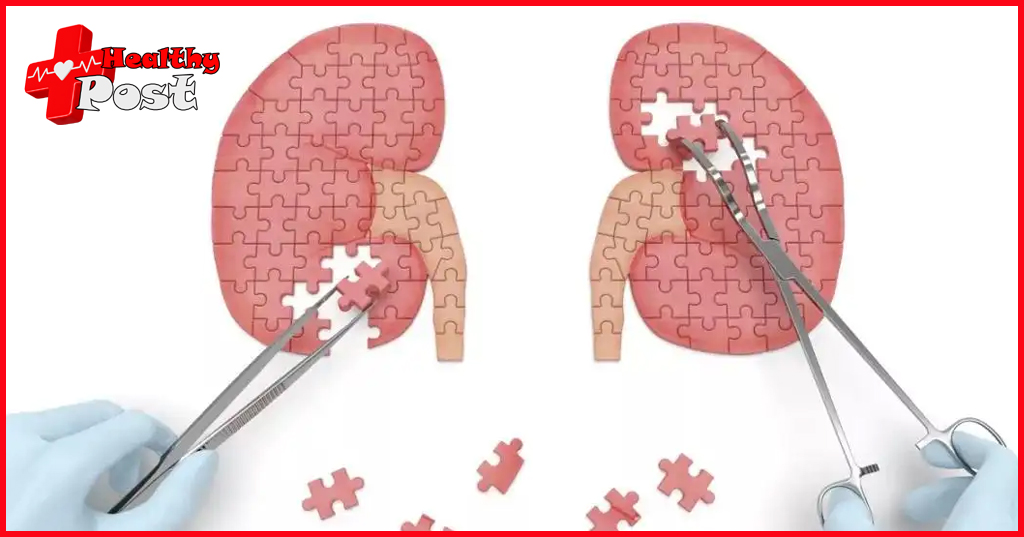
Current research shows that more than 80% of patients with kidney stones have calcium stones. So, what is the relationship between kidney stones and calcium? Can patients with kidney stones take calcium supplements?
The terrible kidney stones
Kidney stone is one of the common disease of the urinary system. They can cause dull pain or colic in the flank or lower abdomen, visible hematuria, frequent urination, urgency and pain, severe vomiting, etc., and may even cause obstruction, hydronephrosis and progressive renal function decline, develop into uremia, and are prone to relapse.
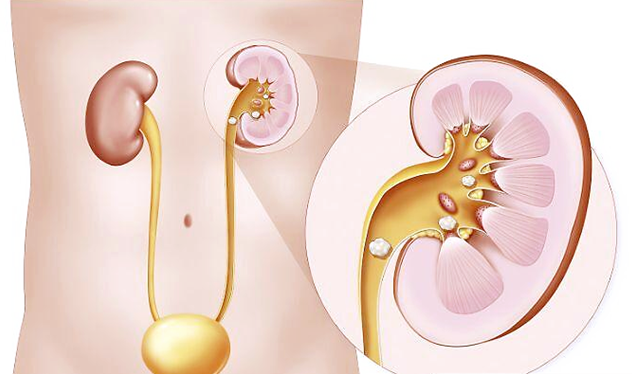
Therefore, we need to pay attention to the prevention and treatment of kidney stones. The pathogenesis of this disease is very complex. Current studies have shown that kidney stones are closely related to factors such as body metabolism, urinary tract infection, abnormal urinary tract structure, genetics, and eating habits.
Kidney stones and urinary calcium
Urinary system stones are mainly divided into five categories according to their composition, including calcium oxalate stones, calcium phosphate stones, cystine stones, magnesium ammonium phosphate stones, and urate stones.
More than 80% of them are calcium-containing stones (calcium stones), mainly calcium oxalate stones, accounting for about 75%.
Kidney stones that do not contain calcium are rare and are mostly urate stones, which are related to abnormal uric acid metabolism, while calcium stone patients are related to increased urinary calcium excretion.
In addition, each type of stone has its own risk factors; for example, higher urine oxalate is a risk factor for calcium oxalate stones, and higher urine pH is a risk factor for calcium phosphate stones.
It can be seen that calcium stones in kidney stones are related to urine calcium levels, as well as urine oxalate, urine pH, etc.
Can patients with kidney stones take calcium supplements?
For calcium stones, reasonable calcium intake will not increase the risk of stones, but can reduce or prevent stone formation.
A study in the United States shows that people who consume 1,357 mg of calcium in their diet every day have a 27% lower risk of kidney stones than those who consume only 535 mg of calcium per day. The more oxalate the body absorbs from food, the higher the risk of kidney stones.

When the calcium intake from the diet is insufficient and the oxalate intake is excessive (eating too much spinach, leek, purslane, bitter melon, bamboo shoots, etc.), the two cannot fully combine in the digestive tract to form calcium oxalate. The excess oxalate in the food is absorbed and enters the urinary system, where it will combine with calcium in the kidneys to form insoluble calcium oxalate stones.
Of course, everything is excessive, and excessive calcium intake can also cause harm. Studies have found that daily calcium intake of more than 1,500 mg may increase urinary calcium, which can become the raw material for stones and increase the risk of kidney stones. At the same time, excessive calcium deposition in soft tissues can lead to vascular calcification and increase the risk of cardiovascular disease.
Therefore, for patients with calcium stones, there will be no problem as long as they consume calcium reasonably.
Patients with kidney stones should pay attention to calcium supplementation:
1. Choose calcium supplement products certified by authoritative organizations;
2. Since intestinal calcium absorption is saturated to a certain extent, calcium supplementation in small doses over several times is more effective in absorption;
3. It is recommended to take calcium tablets with meals or immediately after meals. This calcium supplement can reduce the absorption of dietary oxalate, reduce the risk of kidney stone formation, and is less likely to cause gastrointestinal discomfort.
Daily Diet Recommendations
1. Increase your water intake
Drinking plenty of water can accelerate fluid metabolism and maintain a daily urine volume of 2000-3000 ml. This can dilute minerals such as calcium oxalate and reduce crystal precipitation. At the same time, appropriate exercise can promote the excretion of small stones and help prevent and treat kidney stones.
2. Reduce alcohol intake
Alcohol can reduce the excretion of oxalic acid and uric acid, causing their concentrations in the blood to increase, increasing the risk of kidney stones.
3. Drink less sweet drinks
Sugar interferes with the absorption and utilization of calcium, and sugary drinks can increase the risk of kidney stones.

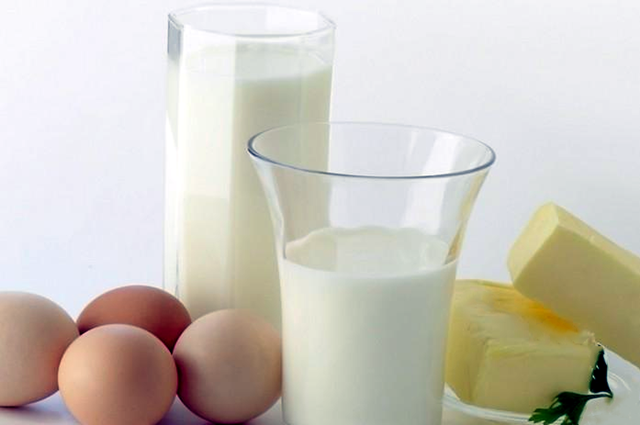
4. Eat more calcium-containing foods and supplement calcium properly
A low-calcium diet can promote intestinal oxalate absorption, which can lead to kidney stone formation. Increasing dietary calcium intake can reduce the risk of kidney stones.
5. Increase your intake of vegetables and fruits
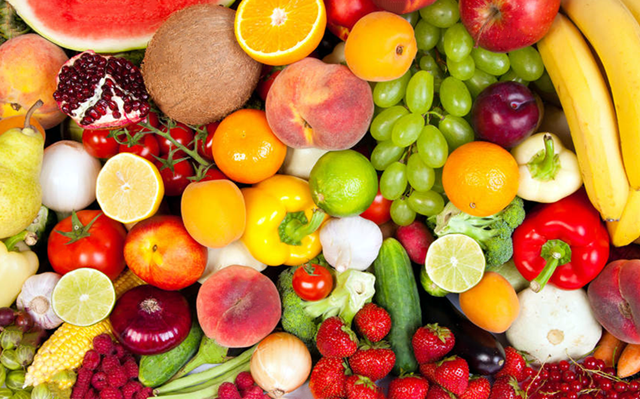
Vegetables and fruits are rich in potassium, magnesium and other nutrients. Studies have shown that insufficient magnesium and potassium in the body may be a factor that increases the risk of kidney stones. Adequate supply of potassium and magnesium can improve the utilization of calcium in the diet and reduce urinary calcium excretion, thereby reducing the risk of kidney stones.
6. Limit dietary oxalate intake
Some foods contain a lot of oxalate, such as spinach and potatoes, and should be avoided. Some nuts and beans, such as peanuts, cashews and almonds, are also rich in oxalate and should also be limited in intake. In addition, blanching vegetables in boiling water before cooking can remove 40% to 70% of the oxalic acid and reduce the risk of calcium oxalate stones.
7. Avoid excessive protein intake
Excessive intake of animal protein leads to an increase in the body’s acid load, which in turn causes high urine calcium, low urine pH, etc., which increases the risk of kidney stones. Fitness enthusiasts who take large amounts of protein powder and egg white after muscle training, and do not pay attention to increasing their intake of vegetables and fruits and drinking more water, also increase the risk of kidney stones.
8. Avoid a high-salt diet
High sodium intake increases calcium excretion, leading to increased urinary calcium concentrations and increasing the risk of kidney stones.
Statement: The content of this article is from Life Times and the copyright belongs to the original author. If there is any infringement, please contact us to delete it. The above views do not represent the position of our company.

3 Comments
Pingback: Let's know kidney stone symptoms
Pingback: Can Kidney Stones Cause Diarrhea? Causes, Risks, Treatment
Pingback: How to Pass a 4mm Kidney Stone Fast: Timeline & Advice