


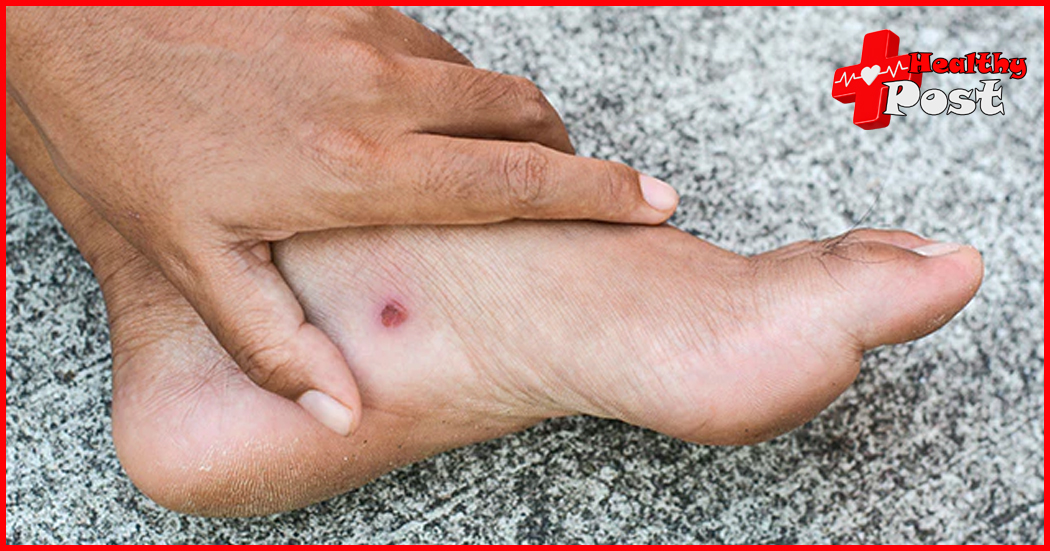
Skin ulcer is just one of the common skin conditions. However, when skin ulcers develop into chronic skin ulcers, it cannot be ignored. This is mainly because when skin ulcers develop to a chronic stage, they will cause serious damage to the skin. In the clinical treatment of skin diseases, some patients with chronic skin ulcers will eventually lead to cancer due to their serious condition.
Careless treatment of wounds left by mosquito bites can lead to the expansion of infection and cancer; chronic skin ulcers caused by trauma such as burns and car accidents can cause systemic sepsis if not treated properly; high blood sugar will eventually cause the patient’s toes to become completely dry…these look at Unbelievable cases are happening around us.
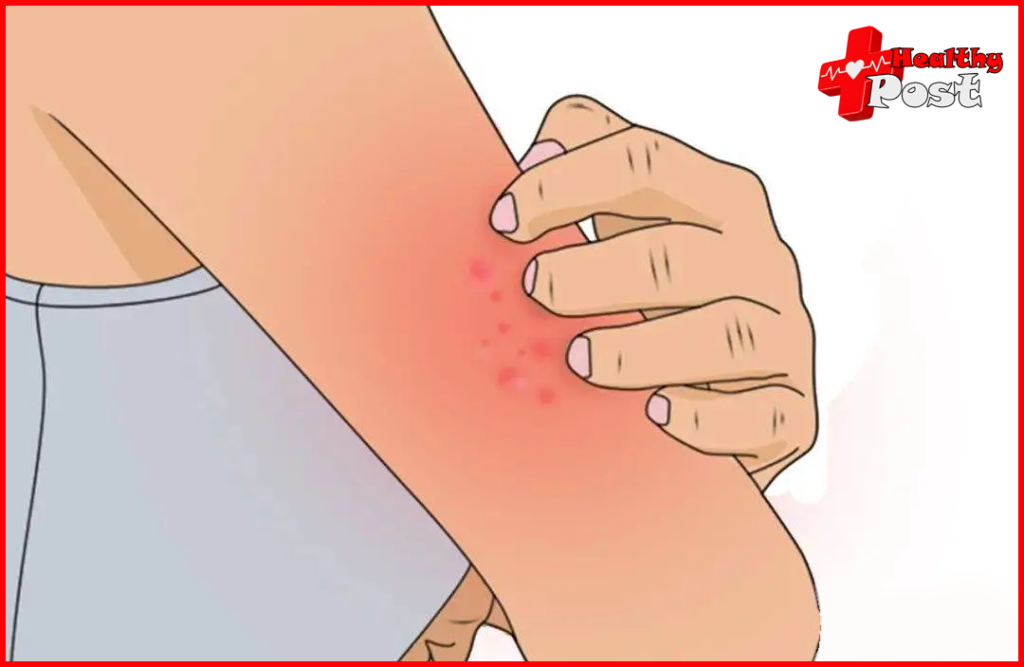
Chronic skin ulcers are a common and common condition that can easily be overlooked. If you develop a skin ulcer, even a small one, see your doctor. Don’t allow infection and expansion over trivial matters.
It is not uncommon for chronic skin ulcers to have serious consequences if left untreated. Although chronic skin ulcers are common and frequently occurring diseases, they are easily overlooked. If not treated in time, many complications will occur in as short as seven or eight months, or as long as seven or eight years, which can lead to local cell gene mutations and turn into cancer.

It can be clearly seen that the formation of chronic skin ulcers is very harmful to the body. Therefore, once the symptoms of skin ulcers are discovered, it is necessary to seize the time to treat the skin ulcers regularly to prevent the disease from developing into chronic skin ulcers and then inducing the occurrence of cancer. Chronic skin ulcers are not a minor skin disease and require special attention.
Why do you get skin ulcers?
It is a body surface disease characterized by long-term inability to heal as the main clinical manifestation and skin tissue defect, liquefaction, infection and necrosis. What exactly caused it? Why do you get such a disease?
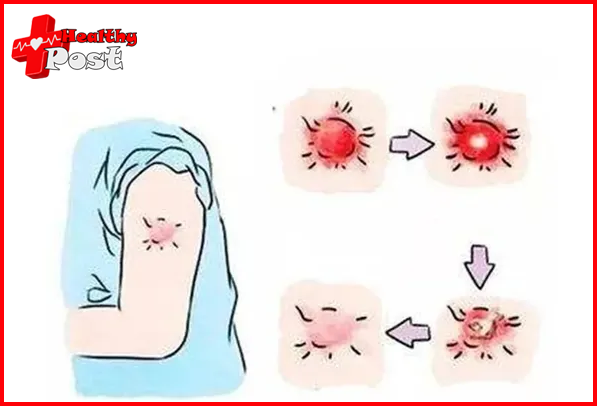
Let’s talk about its main causes.
1. Traumatic causes: specifically include mechanical, radioactive injuries, burns, etc. Chronic ulcers are often formed after mechanical injuries due to improper treatment. Ulcers that appear on scars after burns are also difficult to heal. Their bases are pale and accompanied by contracture deformity.
2. Vascular causes: Common causes include arterial ischemia, varicose veins, vasculitis, etc., especially in the lower legs. Arterial factors, such as arterial occlusive syndrome, atherosclerotic plaque, and diabetes, are common causes of ischemic ulcers and are difficult to treat. Vasculitis is a connective tissue disease that often involves small blood vessels and capillaries in the superficial dermis of patients. Therefore, ulcers are easily formed in such patients when skin damage occurs.
3. Infectious causes: Microbial infectious diseases are often caused by bacteria, fungal spirochetes, viruses, etc. Most chronic ulcers are infected by bacteria. The most common bacterial infections are Pseudomonas aeruginosa and Staphylococcus aureus.
4. Tumor causes: Skin squamous cell carcinoma, basal cell carcinoma, lymphoma, and melanoma can all manifest as skin ulcers that are difficult to heal.
5. Metabolic and nutritional causes: Diabetes is the most common and typical representative. The structural and functional impairment of capillaries and arterioles due to disordered glucose metabolism is a common cause of ulcers complicated by diabetes, making healing difficult.
6. Other causes: Mental stress, environmental stimulation at plateaus and sea areas can also cause ulcers. Vascular ulcers caused by immune abnormalities are caused by tissue necrosis caused by arterial or arteriolar inflammation. Circulatory or neurological dysfunction is tissue necrosis caused by nutritional disorders, such as varicose veins, leprosy ulcers, etc.
If you find a suspected skin ulcer, you must go to the hospital for treatment in time to prevent the condition from getting worse. Hope everyone is in good health.

2 Comments
Pingback: Don’t be afraid if you have eczema.
Pingback: Let's Talk About Acne: Tips, Treatments, and Personal Journeys