7 Shocking Facts About Buccal Fat Removal Cost and Before & After Results
Considering cheek slimming surgery because your face feels “too round” in photos? You are not alone. Social media has made buccal fat removal look like a quick fix for a sculpted, celebrity-style face. Yet the reality is more complex, and sometimes surprising. 😬
This procedure can create a slimmer look. It can also change how you age, affect facial function, and carry serious medical risks. Understanding what really happens before you commit is essential.
Below are seven eye-opening facts about buccal fat, the surgery itself, buccal fat removal cost, and how before and after results actually work in real life.
1. Your “chubby cheeks” might just be normal buccal fat anatomy
The first surprise: what you see as “baby cheeks” is often healthy, normal anatomy.
What buccal fat actually is
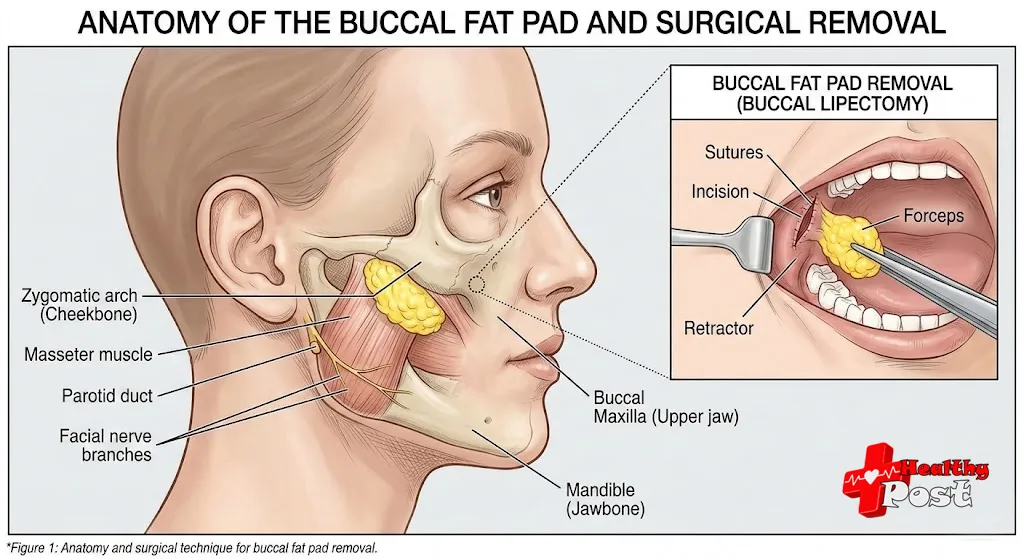
Buccal fat pads are soft, rounded fat pads deep in each cheek.
They sit in the hollow area beneath your cheekbones, near the corners of your mouth.
Key details:
- Everyone has buccal fat pads.
- Their size varies from person to person.
- One side can be larger than the other.
- Larger pads can make the face look fuller or more rounded.
This is mostly due to genetics, not just weight. You can be slim, yet still have a fuller lower face.
Fuller cheeks are not always a problem
In many cultures, fuller cheeks are seen as youthful and friendly. 😊
Some people even use fillers or fat grafting later in life to restore cheek fullness they lost with age.
A short example:
- A 26‑year‑old woman thinks her face looks “too round” in selfies.
- On exam, the surgeon sees balanced cheekbones, healthy skin, and moderate buccal fat.
- The surgeon explains that removing this fat now might make her look hollow at 40 or 50.
This shows why an in‑person evaluation is so important. What you see as an issue may be part of a naturally balanced face.
2. What actually happens during buccal fat removal surgery
Many videos show this surgery as a quick clip with dramatic music. The actual process is more involved.
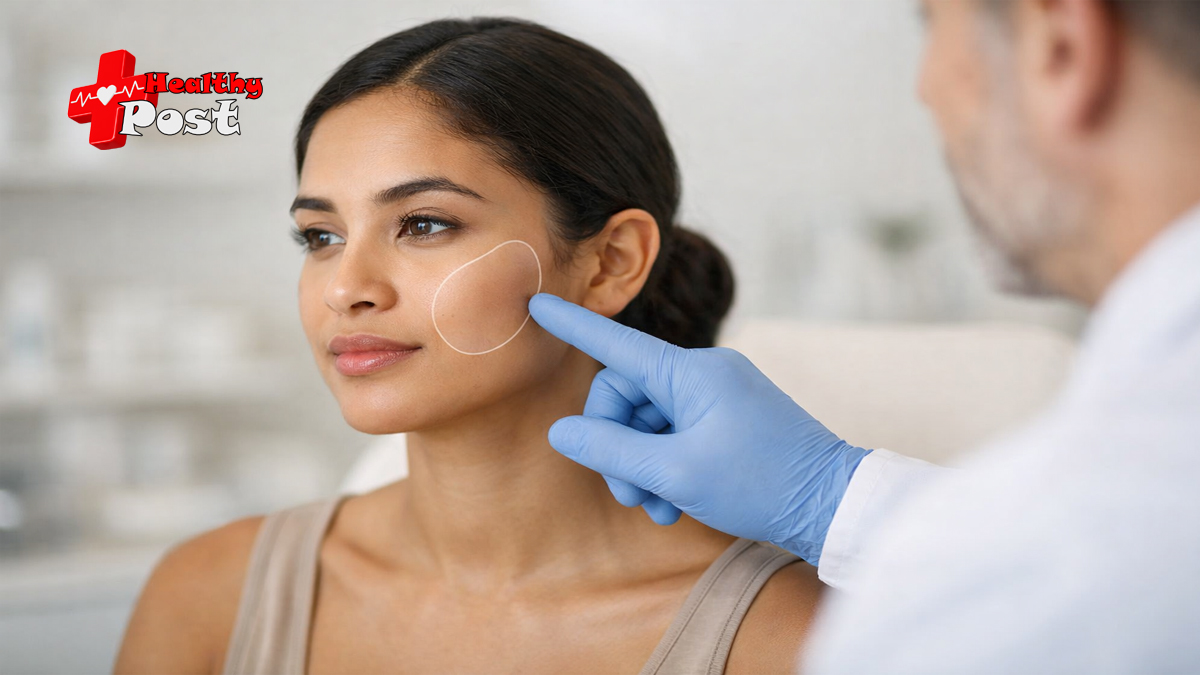
Step 1: Consultation and candidacy
Your surgeon will:
- Review your medical history and medications.
- Ask about smoking, vaping, and alcohol use.
- Examine your facial structure from multiple angles.
- Take photos for planning and documentation.
- Discuss your goals and what is realistically possible.
You may not be a candidate if:
- Your face is already narrow or lean.
- You have strong signs of facial aging.
- You have serious medical conditions.
- You expect “celebrity” results that do not match your own bone structure.
An ethical surgeon will refuse if the procedure could make you look worse over time.
Step 2: Anesthesia
Buccal lipectomy is often done with:
- General anesthesia (you are fully asleep), or
- Local anesthesia with sedation (you are relaxed and numbed).
Your health, anxiety level, and surgeon’s preference guide this choice.
Step 3: Incisions inside the mouth
The surgeon makes two small incisions, one inside each cheek.
They are usually placed high in the inner cheek, near your upper molars.
No external cuts are made. There are no visible cheek scars on the skin.
Step 4: Removing the buccal fat pad
The surgeon gently presses on the outside of your cheek.
The buccal fat pad then “pops” toward the incision opening.
From there, the surgeon:
- Identifies the correct fat pad.
- Carefully teases out only a portion or the entire pad.
- Avoids nearby structures like salivary ducts and facial nerves.
This step demands skill and experience. Too much removal can cause a sunken, gaunt look later in life.
Step 5: Closure and immediate aftercare
The surgeon closes each incision with absorbable sutures.
You will not need to have them removed later.
You go to recovery, where staff watch your:
- Breathing
- Blood pressure
- Pain level
- Nausea
Most people go home the same day with instructions and medications.
3. The results are permanent and can change how you age 😮
Many people assume cheek contouring is like filler: easy to reverse. It is not.
Once buccal fat is removed, it does not grow back in the same way.
Weight changes can affect other facial fat, but removed pads are gone.
Why this matters for future aging
As we age, we naturally lose facial fat and skin elasticity.
This can reveal:
- Hollow cheeks
- Deeper smile lines
- A more tired or harsh look
If you remove too much buccal fat in your 20s or early 30s:
- You may look more “snatched” now.
- You might look older or gaunt later.
- Reversing this often requires fat grafting or other surgeries.
Unlike temporary trends, buccal fat removal is a structural change.
You are making a long‑term decision about how your midface will look over decades.
A careful surgeon will:
- Remove a conservative amount of fat.
- Consider your bone structure and skin quality.
- Discuss how you may age with and without surgery.
If your surgeon does not talk about these long‑term effects, that is a red flag.
4. “Before and after” photos often hide months of healing
Those dramatic transformation photos can be very tempting. 📸
Yet they rarely show the full story.
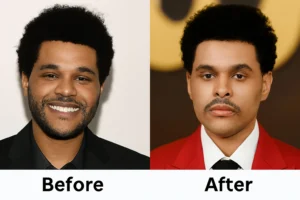
Many people search buccal fat removal before and after results and expect the same outcome. Reality is more nuanced.
What you do not see in social media posts
Most images online do not show:
- Swelling and bruising in the first weeks.
- Asymmetry while one side heals faster than the other.
- Mouth soreness that makes eating uncomfortable.
- The gradual nature of the final contour over months.
You may also be looking at:
- Makeup and contouring tricks.
- Strategic lighting and angles.
- Filters and photo editing.
All these factors can exaggerate results.
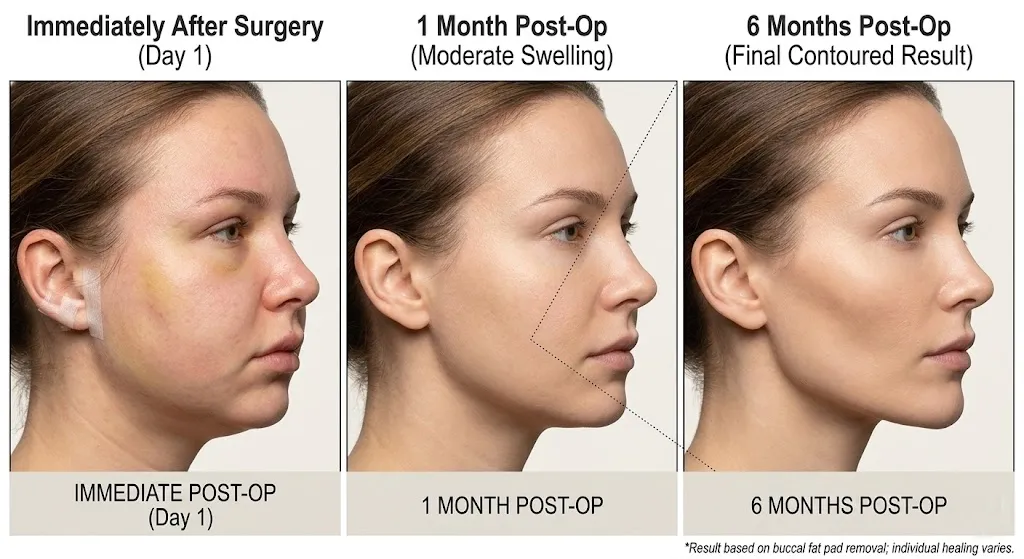
Realistic timeline for visible changes
In many cases:
- First 3–5 days: cheeks feel very swollen and sore.
- First 2 weeks: swelling and bruising slowly decrease.
- Weeks 3–6: cheeks start to look more defined.
- 3–6 months: final contour becomes clearer.
- Up to 1 year: subtle refinement and settling.
So when you see a dramatic “after” image, remember:
- It was likely taken several months post‑op.
- It may be combined with other procedures.
- It may not look the same on your unique face.
If you scroll through buccal fat removal before and after photos during a consultation, ask which were combined with fillers, chin lipo, or jawline surgery. This context matters.
5. The real buccal fat removal cost is more than the surgical fee 💸
When people research buccal fat removal cost, they often focus on the surgeon’s quoted price. That is only part of the picture.
Typical cost components
This surgery is considered cosmetic, so insurance almost never covers it.
You will likely pay for several elements:
| Cost Component | Typical Role in Total Cost | Notes |
|---|---|---|
| Surgeon’s fee | Largest portion | Depends on experience, city, and demand |
| Facility fee | Operating room, nursing, supplies | Higher in hospitals than in accredited clinics |
| Anesthesia fee | Anesthesiologist or nurse anesthetist | Varies with surgery length and type of anesthesia |
| Medications | Pain relief, antibiotics, mouth rinse | Usually modest, but still part of total |
| Medical tests | Labs, ECG, other pre‑op tests | Needed for safety in some patients |
| Follow‑up visits | Post‑op checks and suture assessment | Often included, but clarify in advance |
Prices vary widely by region and surgeon.
You might also see cost ranges referenced in a reputable, which can help you understand typical national averages.
Hidden or indirect costs
Consider:
- Time off work for recovery.
- Childcare or pet care during the first days.
- Transportation to and from the surgery center.
- Extra soft foods and supplies at home.
Many clinics offer:
- Payment plans
- Medical credit cards (like CareCredit)
- In‑house financing
Be careful with financing. Do not let a payment plan push you into surgery you are unsure about.
A helpful question to ask:
“If this cost were coming out of my emergency savings, would I still want this surgery right now?”
If the answer is no, it may be worth waiting.
6. Recovery is longer and more restrictive than many expect
Some influencers return to work in a few days. That does not mean you will feel normal right away. 😷
Recovery is different for everyone, but there are common themes.
Diet and mouth care
Right after surgery, you will usually be told to:
- Start with liquids and very soft foods.
- Avoid hot, spicy, or acidic foods at first.
- Rinse your mouth with a prescribed mouthwash.
- Avoid sucking motions (like using straws).
These steps help:
- Protect the incisions.
- Reduce risk of infection.
- Support comfortable healing.
Normal recovery symptoms
You can expect:
- Swelling in the cheeks and lower face.
- Soreness, especially when opening the mouth.
- Mild bruising on the inside or outside of the cheeks.
- Temporary numbness in some areas.
These usually improve over days to weeks.
Your surgeon may prescribe:
- Pain medication
- Antibiotics
- An antiseptic mouth rinse
- Anti‑inflammatory medicine
Activity restrictions
For several weeks, you may need to:
- Avoid heavy exercise.
- Sleep with your head elevated.
- Not smoke or vape (these slow healing).
- Avoid touching or massaging the cheeks unless instructed.
A real‑life example:
- A patient scheduled a major work presentation 5 days after surgery.
- Swelling and discomfort made it hard to speak for long periods.
- They wished they had allowed 2–3 weeks before returning to high‑pressure tasks.
Planning enough downtime is part of the true buccal fat removal cost, even though it does not show on a bill.

7. Complications can affect both appearance and health ⚠️
Like any surgery, cheek reduction carries real risks.
Knowing them helps you make a balanced decision.
Aesthetic risks
These include:
- Over‑resection of fat, causing a hollow or “skeletal” look.
- Facial asymmetry if one side heals differently.
- Results that do not match expectations from photos.
Correcting aesthetic issues can require further surgery, fat grafting, or fillers.
Medical and functional risks
Possible complications include:
- Prolonged numbness in parts of the cheek.
- Muscle weakness affecting your smile or facial expressions.
- Salivary duct injury, which can alter saliva flow.
- Bleeding inside the cheek (hematoma).
- Fluid accumulation (seroma).
- Infection of the incision sites.
More serious but less common risks include:
- Reactions to anesthesia.
- Deep vein thrombosis (blood clots).
- Heart or lung complications.
A widely respected plastic surgery risks explains these types of issues in broader detail.
Warning signs that need urgent care
Seek emergency help if you notice:
- Sudden shortness of breath.
- Chest pain or pressure.
- Rapid or irregular heartbeat.
- Severe, rapidly worsening swelling.
- Fever with increasing pain or redness.
Call your surgeon right away if something feels “off.”
It is always safer to ask, even if it turns out to be normal healing.
Is buccal fat removal right for you? A balanced outlook
For the right person, this surgery can:
- Slim the lower face.
- Enhance cheekbone definition.
- Create a more contoured profile.
Yet buccal fat removal is not a universal answer. It involves:
- A permanent change to your facial structure.
- Several weeks of healing and lifestyle changes.
- Financial costs that go beyond the initial quote.
- Real medical and aesthetic risks.
People who tend to do best:
- Have naturally fuller lower cheeks.
- Are in good general health.
- Have realistic expectations.
- Understand that results vary by face shape and bone structure.
- Choose a board‑certified, experienced facial plastic surgeon.
Those who may regret it often:
- Chase a passing social media trend.
- Already have a narrow or lean face.
- Hope surgery will “fix” unrelated self‑esteem issues.
- Rush into it without understanding long‑term aging changes.
Before you decide, consider:
- Meeting with at least two qualified surgeons.
- Asking to see unedited, long‑term buccal fat removal before and after photos.
- Talking honestly about your motivations and fears.
- Giving yourself time to think after each consultation.
If you are considering buccal fat removal, take your time, gather information, and focus on long‑term self‑confidence, not just short‑term trends. Your face will carry this choice for many years. 💛

Frequently Asked Questions (FAQs)
1. How long does buccal fat surgery take?
The procedure usually takes 30–60 minutes.
Plan extra time for check‑in, anesthesia, and recovery before going home.
2. Is buccal fat removal painful?
Most people describe mild to moderate pain.
It is often well controlled with prescribed medication and cold compresses.
3. How soon will I see the final results?
You may notice some change in a few weeks.
However, the most accurate result appears after 3–6 months, sometimes longer.
4. Will I have visible scars?
No external scars are expected.
The incisions are inside your mouth, and the sutures dissolve on their own.
5. Can the procedure be reversed if I do not like the result?
Not directly. The removed fat pads do not grow back.
Some contour can be restored with fat grafting or fillers, but it is not the same as your original tissue.
6. Who should avoid buccal fat surgery?
People with very thin faces, significant health risks, or unrealistic expectations are often not ideal candidates.
Your surgeon will review your health and anatomy before recommending surgery.