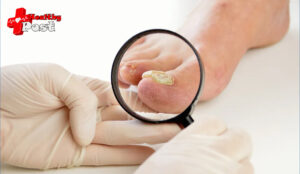


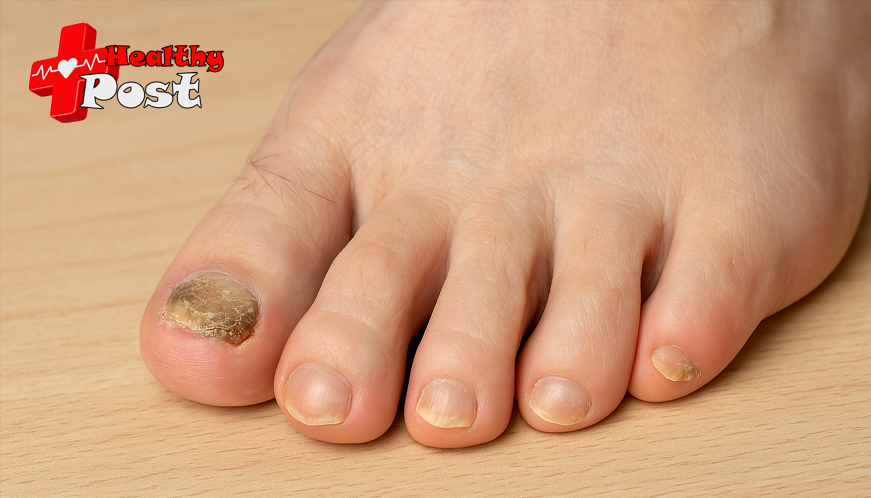
Living with discolored, thickened nails can be both uncomfortable and embarrassing. These symptoms often point to onychomycosis – a fungal nail infection that affects millions of people worldwide.
This condition occurs when microscopic fungi invade one or more nails, leading to noticeable changes in nail appearance and texture. While it might start as a minor cosmetic concern, onychomycosis can develop into a more serious health issue if left untreated.
Healthcare providers use specific medical codes, known as ICD-10 codes, to document and track this condition. The code B35.1 specifically identifies onychomycosis, helping ensure:
- Accurate medical records
- Proper insurance billing
- Appropriate treatment plans
- Clear communication between healthcare providers
Understanding onychomycosis goes beyond recognizing its symptoms. Proper diagnosis, coding, and treatment are essential components of effective care. This guide will walk you through:
- Key symptoms to watch for
- Common causes and risk factors
- The importance of ICD-10 coding
- Available treatment options
- Prevention strategies
Whether you’re experiencing nail changes or seeking information for someone else, knowing the basics of onychomycosis and its medical coding can help you navigate the healthcare system more effectively and get the care you need.
What You Need to Know About Onychomycosis Symptoms and Causes
Recognizing onychomycosis early can make a significant difference in treatment success. Let’s dive into the key symptoms and underlying causes of this common nail infection.
Common Symptoms to Watch For
Physical Changes in Nail Appearance:
- Thickened nail structure
- Yellow or white patches and streaks
- Brittle, crumbly, or ragged nail edges
- Distorted nail shape
- Loss of natural shine
- Dark debris buildup under the nail
Discomfort Indicators:
- Mild pain or tenderness around the nail
- Slight odor from infected nails
- Separation of nail from the nail bed
- Difficulty wearing closed-toe shoes
- Reduced confidence in social situations
When to Seek Medical Help
Book an appointment with your healthcare provider if you notice:
- Nail changes lasting longer than two weeks
- Spreading infection to other nails
- Increasing pain or discomfort
- Signs of bacterial infection
- Redness or swelling around nails
Understanding How Infection Occurs
Fungal nail infections typically develop in environments where fungi thrive. These microscopic organisms enter through:
- Tiny cuts in the skin
- Small separations between nail and nail bed
- Direct contact with infected surfaces
Risk Factors That Increase Susceptibility
Personal Health Conditions:
- Diabetes
- Circulation problems
- Weakened immune system
- Previous nail trauma
Environmental Factors:
- Regular exposure to humid environments
- Frequent swimming or sweating
- Wearing tight, non-breathable shoes
- Walking barefoot in public areas
Lifestyle and Age-Related Risks:
- Poor foot hygiene
- Advanced age (slower nail growth)
- Shared nail care tools
- Regular nail salon visits
- Athletic activities with tight footwear
Understanding these symptoms and risk factors helps identify the infection early. Proper identification leads to faster treatment initiation and better outcomes.
The Role of ICD 10 Code B35.1 in Onychomycosis Diagnosis and Treatment
The ICD-10 coding system serves as a universal medical classification method, helping healthcare providers document diagnoses with precision. For onychomycosis, the specific code B35.1 represents:
- Dermatophytic onychia
- Dermatophytosis of nails
- Ringworm of nails
This code, effective since October 1, 2024, belongs to the broader category of dermatophytosis (B35) within the ICD-10 classification system. Healthcare providers use B35.1 to indicate a fungal infection specifically affecting the nail plate or nail bed.
Key Attributes of Code B35.1
The code B35.1 carries several key attributes:
- Billable status: This code is accepted for medical billing and reimbursement
- Specificity: It distinguishes nail fungal infections from other dermatophytoses
- Documentation: Supports detailed medical record-keeping
Importance of Documentation in Onychomycosis Cases
When documenting onychomycosis cases, healthcare providers must include:
- Location of infection (fingernails vs. toenails)
- Severity of the condition
- Associated symptoms
- Previous treatments
Benefits of Understanding the B35.1 Code for Medical Staff
Understanding the B35.1 code helps medical staff:
- Submit accurate insurance claims
- Track treatment progress
- Coordinate care between providers
- Maintain detailed patient records
For more information about common queries related to ICD-10 codes, you can refer to this FAQ page.
Factors Affecting Maximum Specificity of the Code
The code may require additional digits for maximum specificity, depending on factors like:
- Affected body part
- Severity level
- Associated conditions
- Treatment response
Importance of Staying Updated on Coding Guidelines
Medical coders and healthcare providers must stay updated on coding guidelines to ensure proper documentation and claim submission. Regular audits help maintain coding accuracy and reduce billing errors.
Why Accurate Coding Matters in Healthcare Communication and Claim Denials Prevention
Precise ICD-10 coding serves as a critical bridge between healthcare providers and insurance companies. When medical professionals document onychomycosis cases with the correct B35.1 code, they create a clear path for:
1. Swift Insurance Processing
- Direct alignment with coverage policies
- Reduced back-and-forth communication
- Faster claim approvals
2. Clear Treatment Justification
- Documented medical necessity
- Support for prescribed medications
- Validation of diagnostic tests
Insurance companies rely on these specific codes to understand the exact nature of the condition. A misclassified fungal infection could result in:
- Delayed treatment authorization
- Rejected medication coverage
- Additional paperwork requirements
- Extended waiting periods for patients
Real-World Impact on Patient Care
The accuracy of coding directly affects patient treatment timelines. When healthcare providers submit claims with precise ICD-10 codes:
- Patients receive timely access to prescribed medications
- Treatment plans proceed without unnecessary interruptions
- Follow-up appointments maintain their scheduled sequence
Medical practices benefit from streamlined operations through:
- Reduced administrative burden
- Minimized claim resubmissions
- Improved cash flow management
- Enhanced patient satisfaction
Healthcare providers can maintain detailed records of fungal nail infections by implementing systematic coding practices. This precision helps track treatment progress and ensures appropriate documentation for any future complications or related conditions.
Diagnosing Onychomycosis: The Importance of Clinical Examination and Lab Tests
A proper diagnosis of onychomycosis starts with a thorough clinical examination by a healthcare provider. During the physical examination, doctors look for specific signs that indicate a fungal nail infection:
Key Clinical Signs
- Thickened nail plate with debris buildup underneath
- Yellow or brownish discoloration
- Separation of the nail from the nail bed
- Brittle, crumbly, or ragged nail edges
- White spots or streaks on the nail surface
- Distorted nail shape
- Foul odor from the affected nail
While these visual signs point toward onychomycosis, lab testing provides definitive confirmation. Healthcare providers typically use several diagnostic methods:
Laboratory Testing Options
- Direct Microscopy (KOH Test): A small nail sample is examined under a microscope using potassium hydroxide solution to identify fungal elements
- Fungal Culture: Nail specimens are grown in a lab to identify specific fungal species
- Histological Analysis: Nail clippings are examined under a microscope after special staining
- PCR Testing: Advanced DNA testing to detect and identify fungal species
Lab testing serves multiple essential purposes:
- Confirms the presence of fungal infection
- Identifies the specific type of fungus
- Rules out other nail conditions like psoriasis
- Guides treatment selection
- Documents medical necessity for insurance coverage
The combination of clinical examination and laboratory confirmation helps healthcare providers:
- Choose appropriate antifungal medications
- Determine treatment duration
- Monitor treatment effectiveness
- Predict potential treatment outcomes
- Identify patients who might need specialized care
Early and accurate diagnosis through proper examination and testing increases treatment success rates and prevents unnecessary medication use. Healthcare providers document these findings using specific diagnostic codes to create a clear medical record.
Exploring Treatment Options for Onychomycosis: Antifungal Medications and Home Care Tips
Treating onychomycosis requires patience and consistency. Let’s dive into both medical treatments and practical home care strategies that can help you manage this condition effectively.
Antifungal Medication Options
Topical Treatments
- Prescription nail lacquers (ciclopirox, efinaconazole)
- Antifungal creams and ointments
- Best for mild cases or early-stage infections
- Applied directly to affected nails
- Treatment duration: 6-12 months
Oral Medications
- Terbinafine
- Itraconazole
- Fluconazole
- Prescribed for severe infections
- Treatment duration: 3-6 months
- Regular liver function monitoring required
Treatment Challenges
The slow growth rate of nails presents a unique challenge in treating onychomycosis:
- Toenails grow approximately 1mm per month
- Complete nail replacement takes 12-18 months
- Visible improvement might take several weeks
- Consistent treatment application is crucial
Essential Home Care Tips
Daily Nail Care Routine
- Keep nails trimmed straight across
- File down thickened areas
- Clean under nails regularly
- Apply treatments at the same time daily
Moisture Management
- Dry feet thoroughly after bathing
- Use antifungal powder in shoes
- Change socks when feet become sweaty
- Allow shoes to dry completely between uses
Footwear Recommendations
- Choose breathable shoes made from natural materials
- Rotate shoes daily
- Avoid tight-fitting footwear
- Wear moisture-wicking socks
Prevention During Treatment
- Sanitize nail clippers after each use
- Never share nail care tools
- Avoid walking barefoot in public areas
- Treat athlete’s foot promptly to prevent nail infection
Combining medical treatments with proper home care significantly improves your chances of successful treatment. Your healthcare provider might adjust your treatment plan based on the severity of infection and your response to initial treatments.
Preventing Complications from Untreated Onychomycosis: Risks You Should Be Aware Of
Ignoring fungal nail infections can lead to serious health complications. Here’s what you need to watch for:
- Spreading Infection: The fungus can spread beyond the infected nail to other nails or surrounding skin
- Bacterial Infections: Open skin around infected nails creates entry points for bacteria, potentially causing:
- Cellulitis (painful skin inflammation)
- Paronychia (infection of nail folds)
- Chronic Pain: Advanced infections can cause:
- Difficulty walking
- Pain during physical activities
- Permanent nail damage
Additional Risk Factors:
- People with diabetes face higher risks of:
- Foot ulcers
- Poor wound healing
- Potential limb-threatening infections
- Weakened immune systems increase vulnerability to:
- Secondary infections
- Slower recovery times
- More aggressive fungal spread
Early intervention with proper ICD-10 code documentation (B35.1) ensures appropriate treatment coverage and helps prevent these serious complications.
Conclusion: The Importance of Early Recognition and Proper Documentation in Onychomycosis Care
Early detection and proper documentation of onychomycosis play vital roles in successful treatment outcomes. Maintaining good foot hygiene practices, including keeping feet dry and wearing breathable footwear, helps prevent infection recurrence. Regular nail inspections allow you to spot changes early – any discoloration, thickening, or brittleness warrants a healthcare provider consultation.
Proper documentation through accurate ICD-10 coding ensures smooth communication between healthcare providers and insurance companies. This streamlined process helps patients receive timely, appropriate care while minimizing claim denials and treatment delays.
Frequently Asked Questions (FAQs) About Onychomycosis ICD 10 Code
What does the ICD 10 code B35.1 represent exactly?
B35.1 specifically indicates dermatophytic onychia, also known as fungal nail infection or ringworm of nails. This code helps healthcare providers document and bill for onychomycosis treatment.
Can onychomycosis be cured completely?
Yes, onychomycosis can be cured with appropriate treatment. Success rates vary based on severity, compliance with treatment, and individual health factors.
How long does treatment usually take?
Treatment duration typically ranges from 6-12 months. This extended timeline reflects the slow growth rate of nails and the time needed for infected portions to grow out completely.
Is the toenail or fingernail more commonly affected?
Toenails experience infection more frequently than fingernails. The dark, warm, moist environment inside shoes creates ideal conditions for fungal growth.
What happens if the condition is left untreated?
Untreated onychomycosis can lead to:
- Permanent nail damage
- Spread of infection to other nails
- Secondary bacterial infections
- Pain and discomfort during activities
- Potential complications in people with diabetes or compromised immune systems
Remember: Your feet deserve attention and care. Regular monitoring, proper hygiene, and prompt medical attention when needed protect your nail health and prevent complications from fungal infections.
FAQs (Frequently Asked Questions)
What is onychomycosis and what are its common symptoms?
Onychomycosis is a common fungal nail infection characterized by thickened nails, yellow or white discoloration, brittleness, crumbling edges, and sometimes pain or discomfort. It primarily affects toenails but can also involve fingernails.
What causes onychomycosis and who is at risk?
Onychomycosis is caused by fungal infections that thrive in moist environments or following nail trauma. Common risk factors include older age, diabetes, poor hygiene, and exposure to environments conducive to fungal growth.
What does the ICD 10 code B35.1 represent in relation to onychomycosis?
ICD 10 code B35.1 specifically identifies dermatophytic onychia, a type of fungal nail infection. Accurate use of this code is essential for proper diagnosis documentation, medical billing, and insurance claims related to onychomycosis.
How is onychomycosis diagnosed by healthcare professionals?
Diagnosis involves clinical examination of typical nail changes and may be confirmed with laboratory tests such as microscopy or culture to identify the specific fungus before starting treatment.
What treatment options are available for onychomycosis?
Treatment includes antifungal medications which can be topical or oral. Due to slow nail growth, treatment duration can be lengthy. Additionally, maintaining foot hygiene by keeping feet dry and wearing breathable footwear helps manage the condition.
Why is early recognition and accurate ICD 10 coding important in managing onychomycosis?
Early recognition allows timely treatment preventing complications like secondary infections. Accurate ICD 10 coding ensures effective communication between healthcare providers and insurers, supports insurance claims reimbursement, and prevents delays or denials in care coverage.