


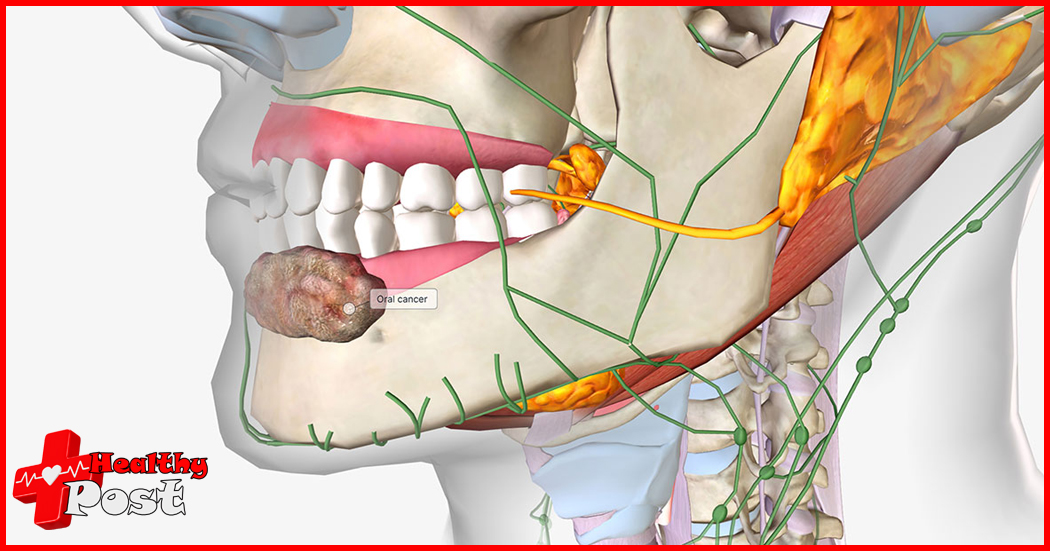
Oral cancer mainly refers to epithelial cancer that occurs in the oral mucosa. It is one of the more common malignant tumors of the head and neck. Oral cancer accounts for about 2% to 5% of the total incidence of systemic cancers. It progresses quickly, has a wide range of infiltration, and has a poor prognosis. Relatively poor.
If we can grasp the warning signs of its early manifestations and achieve early diagnosis and early treatment, we can completely improve the cure rate and survival rate. Because of its different locations, it is called tongue cancer, buccal mucosal cancer, gum cancer, oral cancer, etc. Cancer of the base and hard palate, among others.
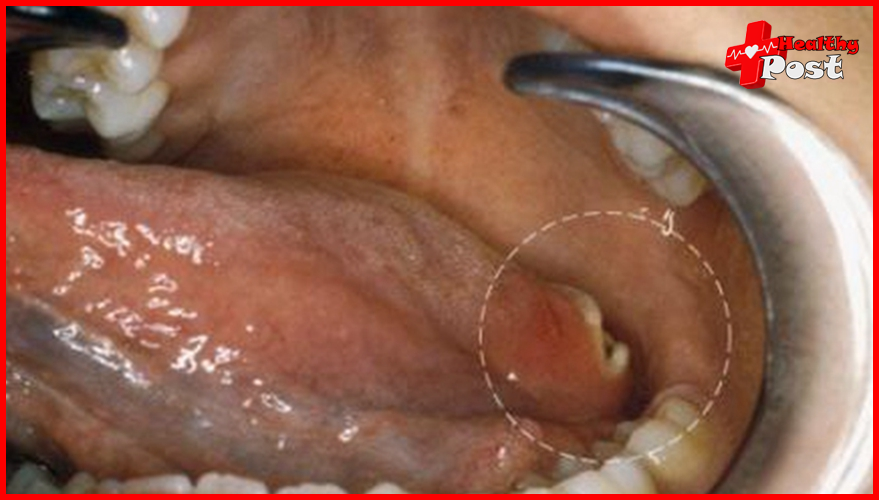
Symptoms of oral cancer
1. Multiple episodes of unexplained bleeding in the mouth.
2. Persistent restriction of mouth opening that cannot be relieved.
3. Unexplained persistent tooth pain.
4. Teeth loosen and fall out rapidly in a short period of time.
5. Unexplained foul odor appears in the mouth in a short period of time.
6. Unexplained white or red plaques on the oral mucosa.
7. Unexplained swelling and pain of cervical lymph nodes.
8. Granular, cauliflower-like new organisms or persistent ulceration and pain appear in the oral and maxillofacial region.
9. Unexplained pain and numbness in tongue, cheeks, lips and other parts of the body.
10. Ulcers on the cheeks, tongue, and gums have not healed for three to four weeks.
11. Local areas of the oral mucosa become hardened, and the edges are raised and uneven.
When the above signs appear in your mouth, you should pay close attention to it and go to a specialist hospital for further examination as soon as possible.
Summary of causes of oral cancer
1. Habit of chewing betel nut
Chewing betel nut and other mixtures can cause an increase in the division activity of oral mucosal epithelial basal cells and increase the incidence of oral cancer.
2. Age factor
The relationship between oral cancer and age is very obvious, and its risk increases sharply with age. The incidence rate of oral cancer in men at the age of 30 is 7/100,000, and by the age of 60, it is close to 80/100,000. Therefore, older adults are at high risk for developing oral cancer, related to environmental risk factors. It is very necessary for the elderly to have regular oral examinations to achieve early detection and early treatment to reduce the risk of oral cancer.
3. Long-term addiction to tobacco and alcohol
Smoking and drinking are major risk factors for oral cancer. 75% of oral cancers are related to this. A clinical study found that more than 80% of male oral cancer patients have a clear history of smoking. Some data believe that those who smoke heavily and drink alcohol at the same time will have their risk doubled, 38 times higher than those without such a hobby.
Most patients with oral cancer have a long-term history of smoking and drinking, while oral cancer is rare in non-smokers and non-drinkers. Research data by American scholar Keller shows that the incidence of oral cancer in people who smoke and do not drink alcohol or who are alcoholics and non-smokers are respectively 2.4% higher than those who do not smoke or drink. times and 2.3 times; and the incidence rate of smokers and alcoholics is 15 times that of non-smokers and non-drinkers. Existing data show that it has not been proven that it is carcinogenic in itself, but it has a carcinogenic effect. Alcohol may serve as a solvent for carcinogens and promote the penetration of carcinogens into the oral mucosa.
4. Poor oral hygiene
Poor oral hygiene habits create conditions for bacteria or mold to breed and multiply in the oral cavity, which is conducive to the formation of nitrosamines and their precursors. In addition, some cells in stomatitis are in a proliferative state and are more sensitive to carcinogens. These various reasons may promote oral cancer. occur.
5. Long-term chronic irritation from foreign bodies in the oral cavity
Poor oral hygiene, irritating factors such as dental calculus, residual crowns, residual roots, and poor restorations (inferior dentures), and long-term chronic irritation can induce chronic ulcers in the oral mucosa and even the occurrence of oral cancer. It is worth noting that people who like to eat hot foods have a much higher incidence of oral cancer than the general population.
6. Ultraviolet and ionizing radiation?
Outdoor workers who are exposed to direct sunlight for a long time have a higher incidence of lip cancer and skin cancer. Ionizing radiation can cause changes in the genetic material DNA and activate tumor genes, leading to cancer.
7. Malnutrition
Lack of vitamins A1, B2 and trace elements such as zinc and iron will increase the body’s sensitivity to carcinogens. Many medical experts believe that it is related to the lack of vitamin A, because vitamin A plays a role in maintaining the normal structure and function of the epithelium. Vitamin A deficiency can cause oral mucosal epithelial thickening and hyperkeratosis, which is related to the occurrence of oral cancer. Zinc is an indispensable element for the growth of human tissue. Zinc deficiency may cause mucosal epithelial damage and create favorable conditions for the occurrence of oral cancer.
8. White spots and erythema on oral mucosa
Oral mucosal leukoplakia and proliferative erythema are often precancerous lesions. Therefore, regardless of the duration of oral leukoplakia and its benign manifestations, long-term follow-up is required for early detection of cancer. According to the 1980 census of the Domestic Oral Mucosal Leukoplakia Prevention and Control Research Collaborative Group, the prevalence of leukoplakia in China was 10.47%. Although leukoplakia is rarely cancerous, about 3% to 5%, the tongue is a common site for leukoplakia, and leukoplakia is cancerous. It can account for 1.6% to 23% of tongue cancers. The risk of malignant transformation of proliferative erythema is almost 4 times that of patients with leukoplakia.
The erythema is actually an early stage cancer. Its red color is the result of tumor angiogenesis and the body’s immune response to the tumor. . On average, 15% of patients with leukoplakia on the tongue and floor of the mouth develop cancer over a period of 4.3 years, and the rate of red and white plaque changes is five times higher than that of leukoplakia. Biopsies of red and white plaque lesions should be take from the erythema area as much as possible, as this area has a higher positive rate.
9. Radiotherapy
There are some reports showing that after long-term follow-up of head and neck cancers treated with radiation, secondary oral cancers have been found in a small number of cases, most of which are sarcomas. This may be cause by mutations in normal cells cause by radiation. To. Both r-rays and
10. Systemic disease factors
Chronic hepatitis, liver cirrhosis and other factors that lead to low immunity are also related to the occurrence of oral cancer; syphilis infection is an important factor causing cancer in the lips and the front two-thirds of the tongue, and cancer lesions are mainly caused by Caused by syphilitic glossitis, 3% of syphilis patients have leukoplakia, a precancerous lesion in the mouth, of which 10% eventually develop into oral cancer; workers who work in heavy metal occupations also seem to have a higher rate of oral cancer.
In clinical practice, patients often come to see us, pointing to the ulcers in their mouths and “swellings” on their gums and asking, “Doctor, is this cancer?” We can understand everyone’s fear of cancer, but on the other hand, we also feel The general public should know more about oral cancer and avoid unnecessary panic. Quanmin Dental provides you with the most professional online dental consultation
1 Comment
Pingback: Difference Between Mouth Ulcer and Oral Cancer: Symptoms & Precaution