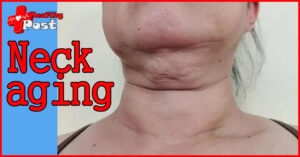



Biological age is the real age of the body, which can be estimated by medical and biological data. Passport age, scientists say – chronological age, can differ significantly from biological age. It not only in the elderly, but also in the young. Thus, one study showed that in several 45-year-old men, the biological age varied from 32 to 65 years!
Biological age is something that doctors and scientists identify objectively using so-called “aging markers.” These are special parameters that are measured to assess biological age. Special programs and algorithms have been created that calculate age. It using a set of such biomarkers – “aging clocks” that can calculate your age based on test results, and sometimes just from a photograph.
Biological age depends on accumulated health problems and the body’s ability. To respond to stress and strain, on the state of the body’s cells, DNA, mitochondria and many other components, by assessing which we can understand the physiological potential and health risks.
What are the first signs of aging?
We all age differently, some organs or tissues age faster than others. And it is very important to find the earliest signs of aging in a person. In order to assess the risks and begin timely prevention of age-associated diseases. After all, aging is, first of all, the accumulation of damage and the reduction of the body’s ability.
From here we see a cascading increase in health problems. The cause of death in most elderly people is age-associated diseases, primarily cardiovascular diseases, then oncology, and so on. At a young age, we can allow ourselves much more than at an older age. Because the body is able to fully compensate for all damage. Both factors matter: the loads and stresses that destroy the body, and the body’s ability to recover and adapt.
Accordingly, aging can accelerate either due to the high rate of accumulation of damage to the body, or due to a rapid decrease in compensatory, restorative capabilities.
Scientists study both. They assess the accumulation of mutations in DNA, changes in the epigenome, that is, in how different sections of DNA are read, the length of telomeres, the shortening of which coincides with a decrease in the ability of cells to divide, the number and activity of mitochondria (our cellular power plants). With the help of this data, it is possible to notice a significant difference in the biological age of people of the same chronological age.
How to learn to manage aging? When and what should you do?

For healthy longevity, you need to remember that health and time are the most valuable resources. Slow, unnoticeable chronic inflammation destroys the body, brings decrepitude closer. Therefore, it is important not to neglect problems, from dental treatment to control of blood pressure, sugar, weight…
You need to be proactive. Do you have type 2 diabetes? Follow the recommended diet, take medications. High blood pressure? It gradually destroys blood vessels. So, you need to choose a therapy that will help control it, even if you are “used to high blood pressure.” All these age-related diseases, including osteoporosis, need to be detected as early as possible, and then their treatment will be more successful.
Physical and mental activity is of great importance. It is known that immobility leads to muscle atrophy. Regular physical activity, which many people lack now, becomes mandatory with age. You need to walk at least an hour a day. It is not necessary to run, just walk! Moderate strength training and swimming are also very useful. Physical activity is the most effective geroprotective agent that prolongs healthy life.
Mental activity is a very important prevention of dementia. It is known that among teachers and scientists there are more people who have retained clarity of mind until death. Therefore, constant brain training is considered a good practice – reading, puzzles, especially helping to master new skills or hobbies.
In addition, communication is very important. It has been proven to reduce the risk of cognitive decline and depression. Social interaction stimulates the brain, provides emotional support and interest in life.
What is the role of vitamins, microelements and dietary supplements?
Vitamins and microelements are absolutely necessary and should be constantly supplied to the body with food. Healthy, varied and complete nutrition, including both animal proteins and plant foods, is an important factor in maintaining health.
At the same time, you should not overeat, especially in old age, when the body’s energy needs decrease. You should limit the consumption of fats and carbohydrates (bakery products), and shift the emphasis to lean meat (beef, fish), dairy products, greens and fiber (fruits and vegetables), cereals, berries (a universal source of nutrients and vitamins).
Today, scientists are reconsidering the role of many of the nutrients and vitamins we are accustomed to, discovering their beneficial properties at a new technological level of research. For example, vitamin D deficiency is associated not only with bone disorders, but also with muscle weakness and immune system failures.
The long-known vitamins of group P have proven to be powerful antioxidants, and quercetin, for example, is currently undergoing clinical trials as a geroprotector. Rutin (also a vitamin of group P) has been shown to have an analgesic effect in arthritis. It turned out that vitamin C helps control blood sugar levels in type 2 diabetes, and the combined use of vitamin C and rutin significantly reduces inflammation and improves indicators in patients with chronic kidney disease on hemodialysis.
Regarding dietary supplements, they can be as useful as healthy food, but it is important not to give in to advertising noise when they promise salvation from all problems in one jar of dietary supplements. Dietary supplements are not medicines and, unfortunately, escape control and supervision, so you can not be absolutely sure of their composition. This is not only about Russia, this is a global problem.
Do long-livers have secrets or does it all depend on genetics?
According to scientists, only 25% depends on genetics, the remaining 75% is our lifestyle and the environment. Bad habits, injuries, stress, chronic diseases accelerate aging. And vice versa, improving living conditions, reducing the physical “wear and tear” of our body, reducing the number of serious diseases, many of which were saved by vaccination.
All this has lengthened the life of a person in the 20th century and brings us closer to the fact that in the 21st century most countries are faced with the phenomenon of population aging. This concerns almost all countries, including China and India, except for the poorest countries in Africa.
Yes, genetics definitely play a role, there is no doubt about that. But it is lifestyle and environment, including social well-being, that are responsible for the increase in life expectancy across the planet. If there is a secret to longevity, it is in the lifestyle.
Can Alzheimer’s Disease Be Prevented?
Not everyone develops Alzheimer’s disease. It is the most common cause of dementia, or senile dementia, but, firstly, it is not the only one, and secondly, not everyone dies with dementia. It is not an obligatory end, many live to a ripe old age without dementia.
If doctors have identified the first signs of Alzheimer’s disease in a person, or there is a family history and you are afraid of repeating the fate of your grandparents, then there are tactics of behavior, lifestyle and nutrition, which are generally aimed at prevention and prolonging brain health in old age.
There are special drugs that are being developed to treat and slow down Alzheimer’s disease, but all of them reduce the signs of Alzheimer’s disease by no more than 20%. At the same time, they have side effects, and most of the drugs are undergoing clinical trials. Science does not stand still, and someday we will have truly effective drugs. But we always have available ways to prolong brain health.
Watch your weight, exercise, reduce alcohol and cigarette consumption, go to bed on time, train your memory, communicate!.. It sounds very simple, but in fact, all this is very effective for healthy longevity.