


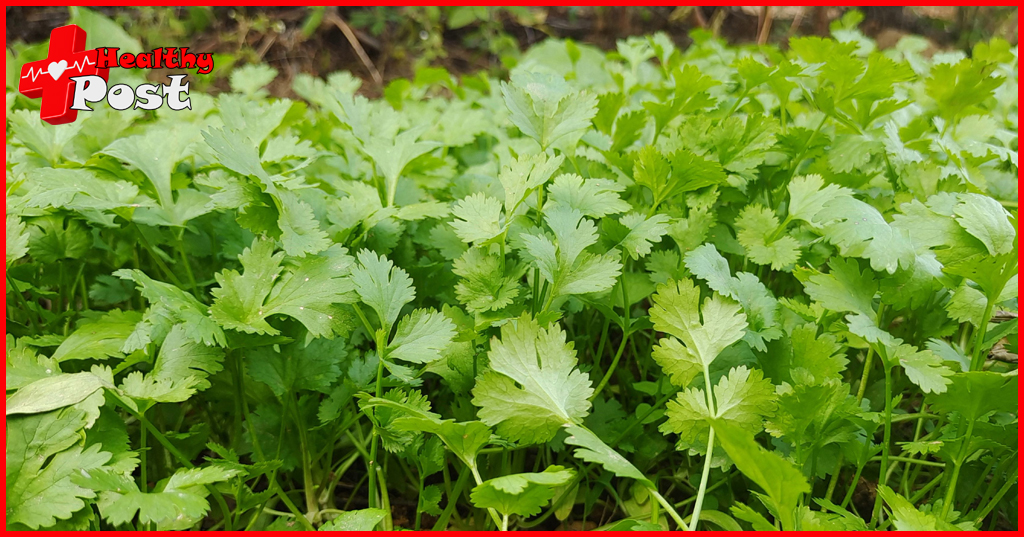
Did you know that coriander, also known as cilantro in some regions, has been celebrated not only for its unique flavor but also for its incredible health benefits for centuries? Often referred to as a “super herb,” it is a staple ingredient in cuisines across the globe, from spicy Indian curries to refreshing Mexican salsas. But beyond its culinary charm, it offers an impressive array of nutrients that make it a must-have addition to your diet.
It (Coriandrum sativum) is a versatile herb that has been used for both medicinal and culinary purposes since ancient times. Its seeds, leaves, and essential oils are packed with antioxidants, vitamins, and minerals that contribute to better health. This humble herb is a rich source of vitamin C, vitamin K, and dietary fiber while being low in calories, making it a perfect choice for health-conscious individuals.
Why is it essential to understand the nutritional value? In a world where healthy eating is a top priority, knowing the benefits of what we consume helps us make informed choices. Incorporating cilantro into your meals can enhance your overall well-being by supporting heart health, improving digestion, and even boosting immunity.
Coriander’s nutritional profile makes it a true gem in the world of herbs. Whether you’re a chef, a health enthusiast, or simply someone looking to add more flavor and nutrients to your meals, it can elevate both the taste and nutritional value of your dishes.
Stay with us as we explore the complete nutritional breakdown of cilantro and uncover its role in promoting a healthy lifestyle. From its essential nutrients to its potential health benefits, this guide will inspire you to make it an integral part of your daily diet.
What is Coriander?

It is a popular herb and spice used worldwide. It comes from the plant Coriandrum sativum.
cilantro has two main forms: leaves and seeds. The leaves, often called cilantro, are fresh and aromatic. The seeds, dried and round, have a warm, nutty flavor. Both parts are widely used in cooking.
It has a long history. It originated in the Mediterranean and Western Asia. Ancient Egyptians used it in medicine and food. Greeks and Romans also loved it for its flavor. It spread to Asia, Europe, and eventually the Americas.
Today, cilantro is a staple in many cuisines. In Indian food, coriander seeds are used in spice blends. In Mexican cuisine, cilantro leaves add freshness to salsas and guacamole. Middle Eastern dishes also feature cilantro in soups, salads, and marinades.
Coriander seeds are commonly ground into a powder for curries and stews. Cilantro leaves are often added fresh to salads and soups. Both add a distinct flavor to recipes.
Coriander’s versatility makes it a favorite ingredient worldwide. It pairs well with meats, vegetables, and grains. You’ll find it in sauces, dips, and even drinks.
The herb is more than just a flavor enhancer. It offers several health benefits due to its rich nutrients. It is low in calories and high in vitamins and antioxidants.
Understanding coriander’s uses and history helps you appreciate its role in cooking. This herb bridges cultures and flavors, making it a kitchen essential.
Whether you prefer its seeds or leaves, cilantro adds magic to any dish. Use it to explore new recipes or elevate classic meals.
Nutritional Breakdown of Coriander
Cilantro, a flavorful herb, is a powerhouse of essential nutrients. Both its leaves and seeds offer macronutrients, micronutrients, and beneficial phytochemicals.
Macronutrients in Coriander
- Carbohydrates
It is low in carbohydrates, making it ideal for weight-conscious diets. Its carbs come mainly from dietary fiber, aiding digestion and promoting gut health. - Proteins
cilantro contains small amounts of protein, essential for tissue repair and enzyme production. While not a primary protein source, it supports a balanced diet. - Fats
It has negligible fats, most of which are healthy unsaturated fats. These contribute to heart health without adding unnecessary calories.
Micronutrients in Coriander
- Vitamins
- Vitamin A: Supports vision, skin health, and immunity.
- Vitamin C: Boosts immunity and acts as a powerful antioxidant.
- Vitamin K: Essential for blood clotting and bone health.
- Minerals
- Calcium: Strengthens bones and teeth.
- Magnesium: Helps with muscle function and energy production.
- Iron: Aids in red blood cell production and prevents anemia.
Phytochemicals in Coriander
It is rich in phytochemicals like flavonoids and phenolic compounds. These act as antioxidants, reducing inflammation and protecting against chronic diseases. Flavonoids also support heart health and brain function.
Health Benefits of Coriander
Coriander is more than a flavorful herb—it is packed with nutrients and compounds that promote overall health.
1. Antioxidant Properties
It is rich in antioxidants like quercetin and tocopherols. These protect the body from free radicals, reducing oxidative stress. This helps lower the risk of chronic diseases, such as cancer and heart disease, while promoting healthy aging.
2. Anti-inflammatory Effects
cilantro contains anti-inflammatory compounds like cineole and linoleic acid. These help reduce inflammation, which is linked to conditions like arthritis and autoimmune diseases. Regular consumption can support joint health and overall immunity.
3. Digestive Health
It improves digestion by stimulating digestive enzymes and bile production. Its fiber content supports healthy bowel movements. Cilantro also helps relieve bloating, indigestion, and stomach cramps.
4. Heart Health
cilantro promotes heart health by reducing bad cholesterol (LDL) levels and increasing good cholesterol (HDL). Its potassium content helps regulate blood pressure, lowering the risk of hypertension. Antioxidants further protect blood vessels from damage.
5. Blood Sugar Regulation
Coriander seeds may help regulate blood sugar levels by enhancing insulin activity. This makes cilantro beneficial for people with diabetes or those at risk. Including cilantro in meals may support better glucose control.
6. Additional Health Benefits
It has natural antibacterial and antifungal properties. These combat harmful microbes and support immune health. It may also promote healthier skin, reduce anxiety, and support detoxification by eliminating heavy metals from the body.
How to Incorporate Coriander into Your Diet
It is versatile and easy to add to your meals. From fresh leaves to seeds and powders, this herb enhances both flavor and nutrition.
1. Fresh Coriander
- Salads: Chop fresh cilantro leaves and mix them into green salads or grain bowls for a refreshing twist.
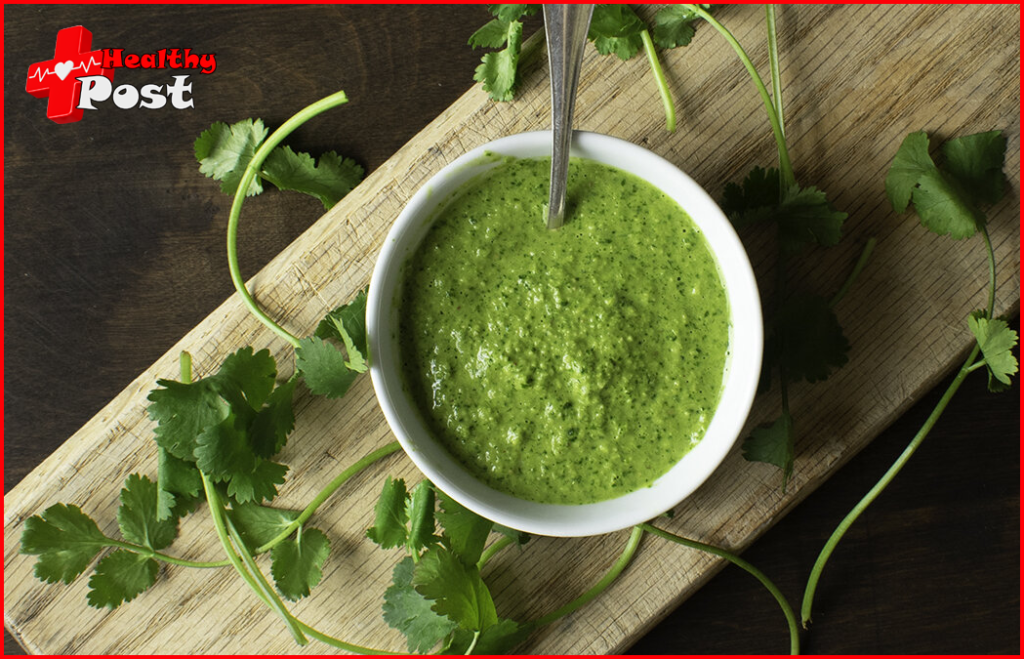
- Salsas: Add freshly chopped cilantro to salsas, guacamole, or chutneys for an extra burst of flavor.
- Garnishes: Sprinkle cilantro leaves over soups, curries, or roasted vegetables to elevate the presentation and taste.
2. Coriander Seeds
- Cooking: Toast and grind coriander seeds to release their aroma. Use them in spice blends for curries, marinades, or stews.
- Baking: Add crushed coriander seeds to bread dough or crackers for a warm, nutty flavor.
- Pickling: Use coriander seeds in pickling brines to enhance the taste of preserved vegetables.
3. Coriander Powder
- Spice Mixes: Blend cilantro powder with other spices for homemade masalas, rubs, or seasoning mixes.
- Soups and Stews: Stir coriander powder into soups, broths, or stews for a subtle earthy taste.
- Beverages: Mix a pinch of coriander powder into smoothies or teas for added health benefits.
- Coriander-Lime Dressing: Blend fresh cilantro, lime juice, olive oil,
4. Easy and Delicious Recipes
- Coriander Lime Rice: Cook rice with lime juice, zest, and chopped freshcilantro.
- Coriander Chicken Curry: Sauté onions, garlic, and cilantro powder, then simmer with chicken and tomatoes.
- Coriander Yogurt Dip: Blend fresh coriander, yogurt, garlic, and a squeeze of lemon for a quick dip.
Potential Risks and Considerations of Consuming Coriander
While it is a nutritious and flavorful addition to meals, there are a few risks to consider.
1. Allergic Reactions
Some people may be allergic to cilantro, though it’s relatively uncommon. Symptoms include:
- Skin rashes or itching.
- Swelling of the lips, tongue, or throat.
- Respiratory issues like wheezing or shortness of breath.
- Stomach upset or nausea.
If you experience these symptoms, stop consuming coriander and consult a healthcare professional.
2. Overconsumption
Eating too much it may lead to certain issues:
- Digestive Problems: Excessive intake can cause diarrhea or stomach cramps.
- Liver Strain: In rare cases, overconsumption of coriander oil might stress the liver.
Moderation is key to enjoying coriander safely.
3. Interactions with Medications
It may interact with certain medications, potentially altering their effects:
- Blood Sugar Medications: Coriander can lower blood sugar, which may enhance the effects of diabetes medications, leading to hypoglycemia.
- Blood Pressure Medications: Its natural ability to lower blood pressure might amplify the effects of antihypertensive drugs, causing dizziness or fainting.
- Anticoagulants: Coriander contains vitamin K, which can interfere with blood-thinning medications like warfarin.
If you take any of these medications, consult your doctor before increasing coriander intake.
Conclusion
It is a versatile herb that enhances both flavor and health. Its rich nutritional profile includes essential vitamins, minerals, and antioxidants that support overall well-being. We’ve explored its powerful health benefits, including its ability to improve digestion, support heart health, regulate blood sugar levels, and reduce inflammation. Additionally, coriander is easy to incorporate into your diet, whether you use fresh leaves, seeds, or powder.
While coriander offers numerous benefits, it’s essential to consume it in moderation and be mindful of potential risks, such as allergies or medication interactions. Staying informed allows you to enjoy its advantages safely.
Now it’s your turn! Start adding cilantro to your favorite dishes and discover its incredible flavor and health benefits. Whether you try a new recipe or use it as a garnish, this herb can transform your meals.
Share your coriander-inspired dishes and experiences with others. Together, let’s celebrate the power of this humble yet extraordinary herb!
FAQs about Coriander
1. What are the nutritional benefits of coriander?
Coriander is rich in vitamins (A, C, and K), minerals (calcium, magnesium, and iron), and antioxidants. It promotes heart health, improves digestion, supports immunity, and helps regulate blood sugar levels.
2. Can coriander help with weight loss?
Yes, coriander is low in calories and rich in fiber, which supports digestion and helps control appetite, making it a great addition to weight-loss diets.
3. Are coriander leaves and seeds nutritionally different?
Yes, coriander leaves (cilantro) are high in vitamins A and C, while the seeds are richer in minerals like calcium and magnesium. Both offer unique health benefits.
4. Is coriander safe for everyone to eat?
Coriander is safe for most people, but some may experience allergies or interactions with medications. Moderation is advised, especially for those on blood sugar or blood pressure medications.
5. Can coriander detoxify the body?
Coriander contains antioxidants and compounds that may help detoxify heavy metals and harmful toxins from the body. However, more research is needed to confirm its effectiveness.
6. How much coriander should I consume daily?
A few sprigs of fresh coriander or 1–2 teaspoons of coriander seeds or powder is generally safe and beneficial.
Expert Insights
According to Dr. Sarah Mitchell, a registered dietitian, “Coriander is a nutrient-dense herb that provides a natural way to boost overall health. Its antioxidants and anti-inflammatory properties make it a fantastic addition to a balanced diet.”
John Carter, a certified nutritionist, adds, “Using coriander regularly in meals can support digestion, enhance flavors, and deliver key nutrients without adding extra calories.”
Incorporate coriander into your meals and reap its numerous health benefits, all while enjoying its fresh, vibrant flavor.

1 Comment
Pingback: Know the cilantro benefits and nutritional value