


🩺 Medical Disclaimer: The information presented in this article is for educational and informational purposes only and does not constitute formal medical advice, diagnosis, or treatment. This content has been rigorously reviewed by Dr. Sana Lodhi to ensure clinical accuracy. However, always consult a qualified healthcare professional or visit an urgent care center regarding any persistent, worsening, or acute medical symptoms.
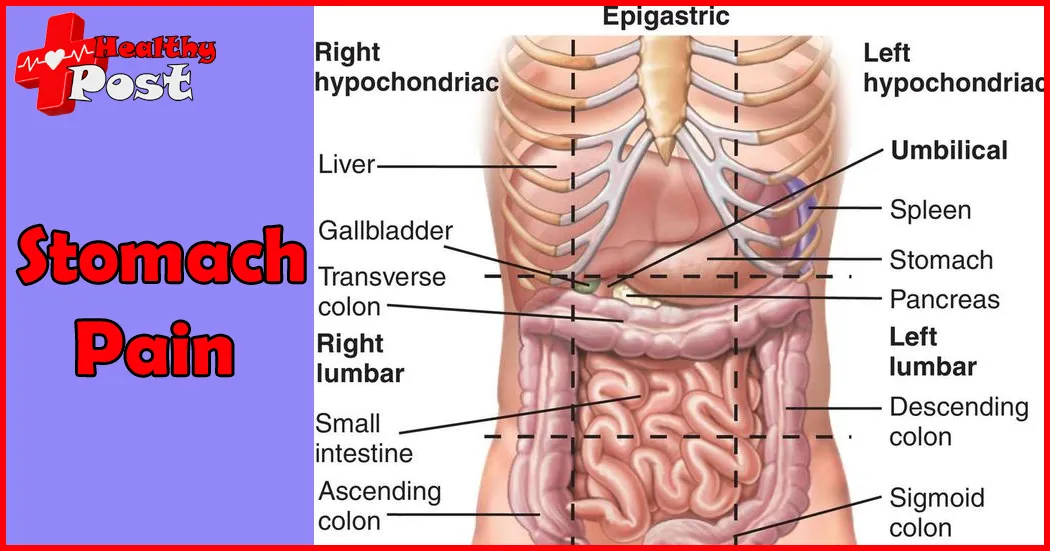
In our clinical practice, we often see patients walk through the door clutching their midsection, desperate for answers. Stomach pain is perhaps the most universal human experience, yet it remains one of the most complex to diagnose. Because the abdomen is a crowded neighborhood of organs—including the liver, gallbladder, stomach, intestines, and pancreas—the sensation of pain is rarely straightforward.
When you experience discomfort, your body is essentially sending a signal through a complex network of nerves. Understanding these signals requires more than just a guess; it requires a systematic approach. By using a stomach pain chart by area, we can begin to map out where the trouble lies. Whether you are dealing with a dull ache or sharp stomach pain quadrants, identifying the specific location is the first step toward relief.
The Anatomy of Discomfort: Mapping the Abdomen
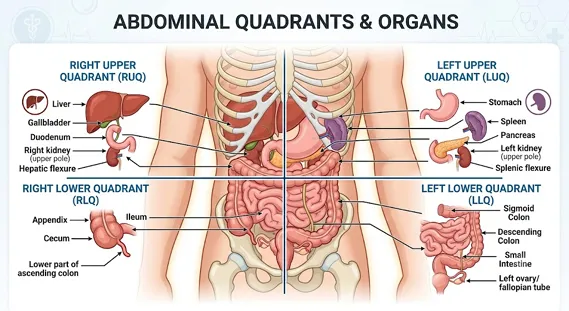
To understand why you hurt, we must divide the abdomen into four distinct quadrants. This grid system allows clinicians to narrow down the potential culprits behind your symptoms.
Upper Right Quadrant (URQ)
This area houses the liver and the gallbladder. If you feel pain here, it is often linked to gallstones or inflammation of the gallbladder (cholecystitis). Sometimes, this pain can be radiating pain that moves toward the right shoulder.
Upper Left Quadrant (ULQ)
The stomach, spleen, and part of the pancreas reside here. Pain in this region may point toward peptic ulcer disease, where the gastric mucosa becomes irritated or eroded. It is also a common site for pancreatitis-related discomfort.
Lower Right Quadrant (LRQ)
This is the classic location for acute appendicitis. If the pain starts near your belly button and migrates to this lower right area, it is a clinical red flag. Other possibilities include ovarian issues or localized bowel inflammation.
Lower Left Quadrant (LLQ)
This area is frequently associated with the colon. When patients report causes of lower abdominal pain in this specific spot, we often investigate diverticulitis—a condition where small pouches in the colon become inflamed.
Common Culprits: Beyond the Basics
While the location provides a map, the nature of the pain provides the story. Many patients arrive with symptoms of bloating and flatulence, which are often benign but uncomfortable. However, when these are accompanied by a loss of appetite or persistent changes in bowel habits, we must look deeper.
Digestive and Inflammatory Conditions
Many cases of abdominal distress are rooted in the gastrointestinal tract. Conditions like Inflammatory Bowel Disease (IBD), which includes Crohn’s disease and ulcerative colitis, cause chronic inflammation that can lead to severe cramping. If you find yourself asking what is constipation, know that it is more than just infrequent stools; it is a structural backup that can cause significant pressure and pain throughout the abdomen.
Reproductive and Urological Factors
We frequently remind patients that the abdomen is not just about digestion. Why do women need to take care of their reproductive system? Because conditions like endometriosis or ovarian cysts can mimic digestive issues, leading to confusion in diagnosis. Similarly, urological diseases, such as kidney stones or urinary tract infections, often present as flank or lower abdominal pain.
When to Seek Urgent Care
It is natural to wonder when a “stomach ache” becomes a medical emergency. While many issues resolve with rest and hydration, there are specific “red flag” symptoms that necessitate immediate intervention. Knowing when to go to ER for abdominal pain can be the difference between a minor recovery and a major complication.
You should seek emergency care if you experience:
- Sudden, unbearable pain: Pain that hits like a lightning bolt and does not subside.
- Signs of internal bleeding: Vomiting blood or passing black, tarry stools.
- High fever and rigidity: A hard, board-like abdomen accompanied by a fever.
- Signs of obstruction: The inability to pass gas or stool, often accompanied by severe vomiting. This could indicate a bowel obstruction, which is a surgical emergency.
- Trauma: Pain following a fall, car accident, or direct blow to the stomach.
Does appendicitis require surgery? In the vast majority of cases, yes. If a clinician suspects an inflamed appendix, they will prioritize surgical removal to prevent rupture. Do not wait for the pain to become “unbearable” if you suspect an acute surgical condition.
The Role of Lifestyle and Modern Health
In our modern, fast-paced world, stress is a major contributor to abdominal distress. The gut-brain axis is a real physiological phenomenon; when you are stressed, your digestive system often reacts with spasms or altered motility.
Furthermore, global health data suggests that foodborne illnesses are on the rise. Proper hygiene and safe food handling are your first line of defense against gastroenteritis. If you are experiencing persistent issues, consider keeping a food diary to track how your body reacts to specific triggers.
Frequently Asked Questions
1. Can stress really cause physical stomach pain?
Yes. The enteric nervous system in your gut is highly sensitive to emotional stress, which can lead to functional abdominal pain, cramping, and changes in bowel habits.
2. Is it normal to have pain after eating?
Occasional discomfort after a large meal is common. However, chronic pain after eating may indicate peptic ulcer disease or gallbladder issues and should be evaluated by a professional.
3. Could my diarrhea be related to something serious?
While most diarrhea is viral, persistent or bloody diarrhea may be related to liver cancer or other systemic conditions in rare cases. Always consult a doctor for persistent changes in bowel function.
4. How do I know if my pain is gas or something worse?
Gas pain is typically sharp, fleeting, and moves around. If the pain is localized, constant, and worsening, it is likely not just gas.
5. What is the first step if I have lower abdominal pain?
Start by noting the exact location and duration. If you are female, consider your menstrual cycle. If the pain is severe or accompanied by fever, seek medical advice rather than waiting.
Conclusion
Navigating the complexities of stomach pain requires patience and observation. By using a stomach pain chart by area, you can better communicate your symptoms to your healthcare provider, ensuring a more accurate diagnosis. Whether you are dealing with the common discomfort of bloating and flatulence or something more concerning like a potential bowel obstruction, remember that your body is communicating with you.
Never ignore persistent, worsening, or severe pain. While this guide provides a framework for understanding your symptoms, it is not a substitute for professional clinical evaluation. If you are concerned, reach out to your primary care physician or visit an urgent care center. Taking action early is the best way to protect your long-term health.
Disclaimer: This content is for informational purposes only and does not constitute professional medical advice, diagnosis, or treatment. Always seek the advice of your physician or other qualified health provider with any questions you may have regarding a medical condition.
Can stress really cause physical stomach pain?
Yes. The enteric nervous system in your gut is highly sensitive to emotional stress, which can lead to functional abdominal pain, cramping, and changes in bowel habits.
Is it normal to have pain after eating?
Occasional discomfort after a large meal is common. However, chronic pain after eating may indicate peptic ulcer disease or gallbladder issues and should be evaluated by a professional.
19 Comments
Pingback: Is there a virus more terrifying than HIV in the world?
Pingback: 6 major symptoms of liver cancer
Pingback: A detailed article about Abdominal tumors
Pingback: How Does Amoxicillin Work? A Comprehensive Guide
Pingback: Can ginger relieve arthritis pain? The truth is revealed!
Pingback: If a child's stomachache never goes away, is it probably because he is pretending?
Pingback: Be alert to these symptoms, otherwise stomach cancer will develop to the late stage!
Pingback: Scaphoid Abdomen: Causes, Symptoms, and Treatment Explained
Pingback: ICD-10 code for diarrhea" appears naturally upfront.
Pingback: Fennel Tea Benefits: Discover the Magical Effects on Your Health
Pingback: 9 Proven Ways Red Banana Boosts Immunity and Energy
Pingback: 5 Proven Risek Tablet Uses for Better Digestion and Health
Pingback: Lower abdominal pain in women isn't always a sign of menstruation! - Healthy Post
Pingback: Lower Abdominal Pain in Women: Surprising details
Pingback: What Is Anal Itching? Causes, Symptoms & Treatment
Pingback: does ashwagandha make you horny
Pingback: Why Do You Have to Fast Before MRI with Contrast? Benefits
Pingback: How to Choose a Magnesium Supplement
Pingback: 7 Powerful Kestine Tablet Uses for Fast Allergy Relief