

Close Menu

    Subscribe to Updates

    Get the latest creative news from FooBar about art, design and business.

    What's Hot

    Are Mild Headaches a Known Side Effect of Retatrutide? A Medical Guide by Dr. Rachana Bhoite

    July 10, 2026

    How Diet Affects Sexual Health in Women: A Complete Guide by Dr. Rachana Bhoite

    July 9, 2026

    Managing Chemotherapy Side Effects at Home: A Complete Patient Guide by Dr. Yichen Xu

    July 7, 2026
    Facebook X (Twitter) Instagram
    • About Us
    • Contact Us
    • Our Medical Review Board & Expert Contributors
    • Cancer
    • Cardiology
    • Dental
    • General Disease
    • Gyne
    • Healthy food
    • Medicine
    • Orthopedics
    • Skin
    Button
    Home » Bradyarrhythmia symptoms, causes, and treatment
    Cardiology

    Bradyarrhythmia symptoms, causes, and treatment

    AdminBy AdminNovember 19, 20241 Comment5 Mins Read
    Share Facebook Twitter Pinterest LinkedIn Tumblr Reddit Telegram Email
    Bradyarrhythmia symptoms
    Share
    Facebook Twitter LinkedIn Pinterest Email

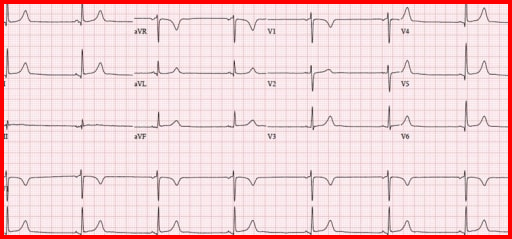
    Bradyarrhythmia is a heart rate that is slower than your typical heart rate due to an irregular heartbeat . Do you know Bradyarrhythmia symptoms ? Let’s know and discuss it.

    People with bradyarrhythmias have a resting heart rate of less than 60 beats per minute.

    For most adults, a resting heart rate of 60 to 100 beats per minute is considered normal.

    Sometimes, healthy people naturally slow their heart rate.

    But people with bradyarrhythmia have a slow heart rate due to a medical condition, heart disease, or a defect that affects the heart rhythm.

    What is the difference between bradyarrhythmia and bradycardia ?

    Both terms mean a slower than average heart rate.

    Bradycardia is a resting heart rate of less than 60 beats per minute.

    Bradyarrhythmia is a slow heart rate caused by an irregular heartbeat (arrhythmia).

    Healthy young people and athletes usually have a resting heart rate below 60 beats per minute.

    For them, bradycardia does not indicate illness.

    In fact, a slow heart rate is a sign that they are healthy and have a strong heart.

    It is also normal for your heart rate to drop below 60 beats per minute while you sleep.

    What are the types of bradyarrhythmias?
    Bradyarrhythmia symptoms
    Bradyarrhythmia symptoms

    There are several different types of bradyarrhythmias.

    Each type has its own causes, but they all result in a lower-than-typical heart rate.

    Types of bradyarrhythmias include:

    (1) Sinus node dysfunction :

    Sinus node dysfunction is also called sick sinus syndrome .

    The sinoatrial (or sinus) node is often referred to as the heart’s natural pacemaker.

    It is an important part of the heart’s electrical system.

    The sinoatrial node sends out electrical impulses that trigger the heart to beat.

    An underactive thyroid gland ( hypothyroidism ) can cause sinus node dysfunction.

    Alternatively, diseases or defects that affect the sinus node can cause sick sinus syndrome.

    It is more common as we age, but in many cases there is no known cause.

    (2) Heart block :

    Heart block is something that blocks the heart’s electrical signals.

    The block prevents the electrical impulses in your heart from traveling as they should.

    May cause a slow heart rate or skipped heartbeats.

    (3) Bradycardia/tachycardia syndrome:

    In some cases, sinus node dysfunction can cause alternating slow and fast heart rates .

    Atrial fibrillation+ (Afib) is one of these syndromes.

    What causes bradyarrhythmias?

    Most arrhythmias, including bradyarrhythmias, are caused by heart disease or heart damage.

    Some causes of bradyarrhythmias include:

    (1) Age-related changes in the cardiac electrical system.

    (2) Coronary artery disease .

    (3) Heart defects.

    (4) Cardiac medications, such as beta-blockers .

    (5) Metabolic imbalance (such as hypothyroidism).

    (6) Cardiac trauma or injury (e.g., heart attack).

    What are the signs and symptoms of bradyarrhythmia?

    When your heart pumps too slowly, your brain may not get enough blood and oxygen.

    Symptoms of bradyarrhythmia may include:

    (1) Dizziness.

    (2) Fainting.

    (3) Fatigue.

    (4) Shortness of breath.

    (5) Weakness.

    How are bradyarrhythmias diagnosed?

    Your healthcare provider will perform a thorough physical examination and ask about any symptoms you are experiencing.

    To accurately diagnose arrhythmia, your provider will measure and track your heart rate. Diagnostic tests may include:

    (1) Electrocardiogram:

    An electrocardiogram (also called an EKG) records the heart’s electrical impulses.

    (2) Portable electrocardiogram equipment:

    Your heart may not develop an abnormal rhythm while you are in the doctor’s office.

    To help diagnose arrhythmias, you may need to wear a portable ( holter ) monitor, such as a Holter monitor, for 24 to 48 hours.

    (3) Exercise stress test :

    During an exercise stress test, increasing your heart rate while walking on a treadmill can help identify abnormal heart rhythms.

    (4) Echocardiography :

    An echocardiogram provides pictures of the heart’s valves and chambers as they pump blood.

    (5) Electrophysiological examination:

    Electrophysiology studies provide detailed information about how the heart’s electrical system works.

    How are bradyarrhythmias managed or treated?

    In some cases, an underlying medical condition can cause a bradyarrhythmia.

    For example, treating an underactive thyroid gland can help improve a slow heart rate.

    When bradyarrhythmias are caused by changes in the heart’s electrical system, your provider may recommend inserting a pacemaker.

    This electronic device generates electrical pulses to help you maintain a steady, healthy heart rate.

    How to prevent bradyarrhythmias?

    One preventive measure is to treat underlying health conditions, such as hypothyroidism .

    You can also reduce your risk of bradyarrhythmia by taking good care of your heart.

    To keep your heart healthy, you should:

    (1) Eat a heart-healthy diet.

    (2) Limit alcohol intake.

    (3) Maintain a healthy weight.

    (4) Maintain physical activity.

    (5) Quit smoking and using tobacco products.

    What is the prognosis (outlook) for people with bradyarrhythmias?

    If left untreated, bradyarrhythmias can lead to serious health problems and may cause dizziness and fainting.

    Getting the right treatment can restore your heart’s normal rhythm and reduce your risk of complications.

    When should I call my doctor?

    You should call your healthcare provider if you experience:

    (1) Chest pain.

    (2) Difficulty breathing.

    (3) Dizziness or lightheadedness.

    (4) Fainting.

    (5) Severe fatigue.

    What should I ask my doctor about bradyarrhythmias?

    You may want to ask your healthcare provider:

    (1) How do I know if my heart rate is too slow?

    (2) Is my heart rate low enough to cause health problems?

    (3) Do I need medication to control my arrhythmia?

    (4) Do I need a pacemaker to restore normal heart rhythm?

    Bradyarrhythmia is an abnormally slow resting heart rate, usually less than 60 beats per minute.

    A slow heart rate may be caused by changes in the heart’s electrical system, heart defects, or other medical conditions.

    Your healthcare provider can treat bradyarrhythmias with medicine or a pacemaker.

    Restoring a normal heart rhythm helps your heart function properly and reduces your risk of complications.
    Heart
    8 ways to keep your heart healthy

    Editorial Notice & Disclaimer: All material published on this platform is curated strictly for general educational and healthcare informational purposes. Content should not be interpreted as professional medical advice, official diagnosis, or a definitive treatment protocol. We strongly advise consulting a licensed physician or qualified healthcare provider regarding any specific medical concerns or health choices.

    Admin
    Website |  + postsBio ⮌
    • Admin
      Apple Juice Benefits: 8 Proven Health Boosts and 3 Hidden Downsides
    • Admin
      5 Proven Benefits of Invokana Generic for Diabetes Care
    • Admin
      7 Powerful Reasons Why Capron DM Is a Safe Choice for Allergy Relief
    • Admin
      10 Proven Ways on How to Relax Without Stress
    Share. Facebook Twitter Pinterest LinkedIn Tumblr Email
    Previous ArticleDoes creatine cause hair loss ?
    Next Article How much annual growth of the eye axis is considered normal? Is there a difference between boys and girls?

    Related Posts

    Cardiology

    How Do You Know If a Heart Stent Is Blocked Again? Warning Signs

    June 25, 2026
    Cardiology

    Cardiologist-Recommended Diet for Heart Health: 9 Core Principles for 2026

    June 22, 2026
    Cardiology

    How to Tell the Difference Between Anxiety and Heart Palpitations: A Complete Medical Guide

    May 23, 2026
    View 1 Comment

    1 Comment

    1. Pingback: Why Does My Heart Beat Fast When Lying Down? Causes & When to Worry

    Leave A Reply Cancel Reply

    You must be logged in to post a comment.

    Recent Posts
    • Are Mild Headaches a Known Side Effect of Retatrutide? A Medical Guide by Dr. Rachana Bhoite
    • How Diet Affects Sexual Health in Women: A Complete Guide by Dr. Rachana Bhoite
    • Managing Chemotherapy Side Effects at Home: A Complete Patient Guide by Dr. Yichen Xu
    • How Does Traumagel Work? 7 Life-Saving Benefits & Guide
    • Clinical Benefits of Functional Foods for Metabolic Health: An Expert Guide
    Top Posts

    What are the effects of smoking on the lungs?

    March 7, 2024

    What are the causes of headaches? How to prevent it in daily life?

    April 11, 2024

    cardiovascular disease, can do these 4 things, and blood vessels can stay young.

    April 18, 2024
    Latest Reviews
    Most Popular

    Are Mild Headaches a Known Side Effect of Retatrutide? A Medical Guide by Dr. Rachana Bhoite

    July 10, 2026

    How Diet Affects Sexual Health in Women: A Complete Guide by Dr. Rachana Bhoite

    July 9, 2026

    Managing Chemotherapy Side Effects at Home: A Complete Patient Guide by Dr. Yichen Xu

    July 7, 2026

    How Does Traumagel Work? 7 Life-Saving Benefits & Guide

    July 4, 2026

    Clinical Benefits of Functional Foods for Metabolic Health: An Expert Guide

    July 1, 2026

    Our Medical Board

    Our health platform content is written, reviewed, and vetted by a dedicated board of licensed clinicians and specialists to guarantee clinical accuracy.

    • Dr. Himanshu Gupta Orthopedics & Robotics Amicare Hospital ↗
    • Dr. Paul Hofmann ENT & Otolaryngology Helios Hospital ↗
    • Dr. Jacob Cote, MD Dermatology Specialist The Ottawa Hospital ↗
    • Dr. Yichen Xu Medical Oncology SYSU Cancer Center ↗
    • Dr. Sana Lodhi, MBBS General Medicine LUMHS Hospital ↗
    • Dr. Wang Zhixin Gynecology & Maternal Shenzhen Women's Hosp ↗
    • Dr. John Ma Orthopaedic Surgery Royal Brisbane Hosp ↗
    • Dr. Rachana Bhoite Nutrition Science Dr. Reddy's Labs ↗
    • Dr. Sarita Rao Interventional Cardiology Apollo Hospitals ↗
    • Dr. Mohanned Alghamdi Esthetic & Restorative UniDents Clinic ↗
    • Dr. Sharmila Rathi Pediatrics & Child Care Sir JJ Hosp Mumbai ↗
    • Dr. He Feng Urology & Andrology Bohe Medical Profile ↗
    • Dr. Akram Chang Cardiovascular Care Gulab Devi Hospital ↗
    • Dr. Liping Shen Gyneclinic Oncology Peking Uni Int Hosp ↗
    • Dr. Suleman Khan Dental Surgery Govt Dental College ↗
    Our Picks

    Are Mild Headaches a Known Side Effect of Retatrutide? A Medical Guide by Dr. Rachana Bhoite

    July 10, 2026

    How Diet Affects Sexual Health in Women: A Complete Guide by Dr. Rachana Bhoite

    July 9, 2026

    Managing Chemotherapy Side Effects at Home: A Complete Patient Guide by Dr. Yichen Xu

    July 7, 2026

    How Does Traumagel Work? 7 Life-Saving Benefits & Guide

    July 4, 2026

    Clinical Benefits of Functional Foods for Metabolic Health: An Expert Guide

    July 1, 2026
    Facebook X (Twitter) Instagram Pinterest
    • About Us
    • Contact Us
    • Disclaimer
    • Our Medical Review Board & Expert Contributors
    • Terms and Conditions
    • Write for Us
    © 2026 Healthy Post. All Rights Reserved.

    Type above and press Enter to search. Press Esc to cancel.